
Clocking out to Turn Back Time—Vacations That Will Help You Live Longer

By TRACY KALER
Thu, Feb 29, 2024 9:53am 6 min
6 min
6 min

 6 min
6 min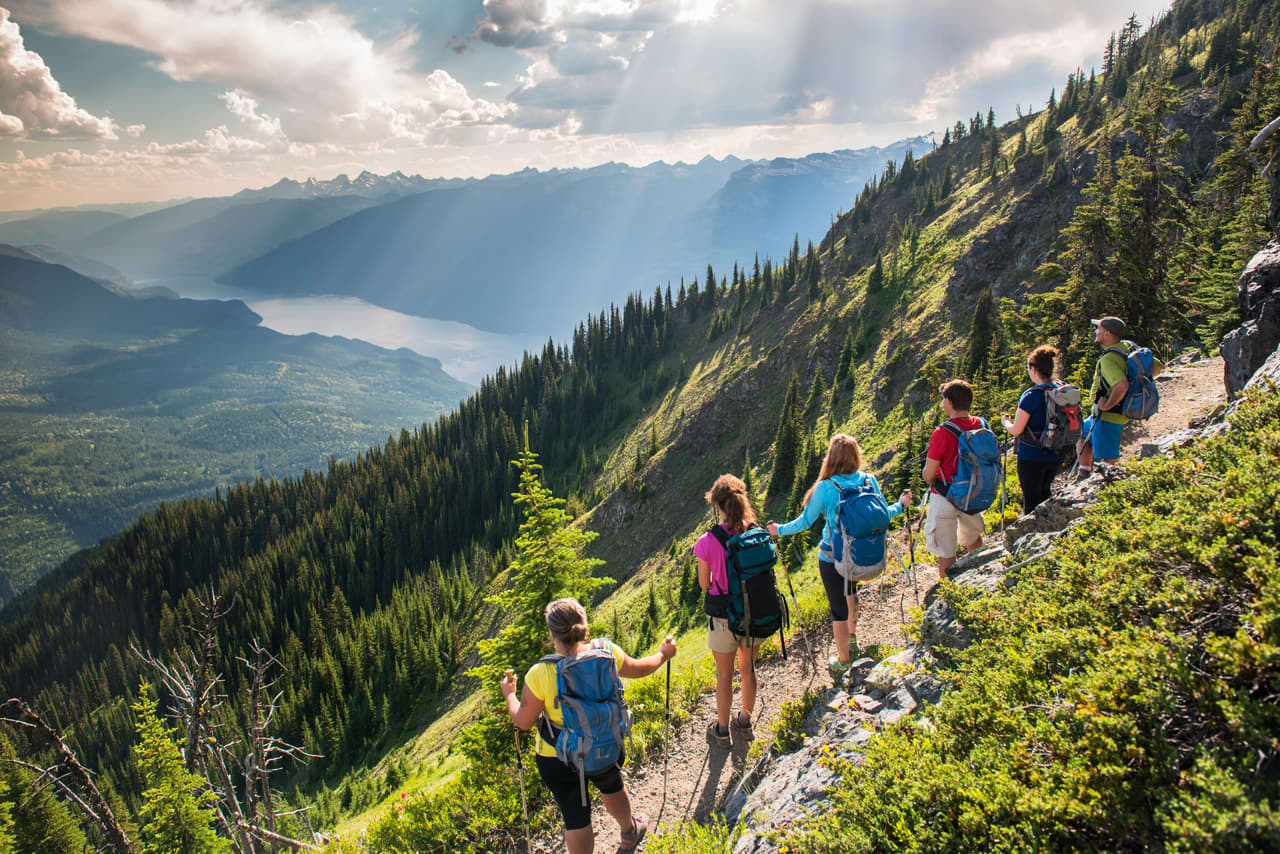
Booming demand for wellness tourism shows no slowing, with travel related to health and well-being projected to have reached $1 trillion last year and to hit $1.3 trillion by 2025, according to the Global Wellness Institute, a nonprofit based in Miami.
Curated wellness travel programs are especially sought-after, specifically holistic treatments focused on longevity. Affluent travelers not only are making time to hit the gym while gallivanting across the globe, they’re also seeking destinations that specifically cater to their wellness goals, including treatments aimed at living longer.
“I believe Covid did put a spotlight on self-care and well-being,” says Penny Kriel, corporate director of spa and wellness at Salamander Collection, a group of luxury properties in places like Washington, D.C., and Charleston, South Carolina. But Kriel says today’s spas are more holistic, encouraging folks to understand the wellness concept and incorporate it into their lifestyle more frequently.
“With the evolution of treatment products and technology, spas have been able to enhance their offerings and appeal to more travellers,” Kriel says.
While some growth is connected to the variety of treatments available, results and the digital world are also contributing to the wellness boom.
“The efficacy and benefits of these treatments continue to drive bookings and interest, especially with the support of social media, influencers, and celebrity endorsements,” Kriel says.
While genetics, environmental factors, and lifestyle choices such as regular exercise, a diet free of processed foods, sufficient sleep, and human connection play essential roles in living well and longer, experts believe in holistic therapies to help manage stress, boost immunity, and ultimately influence length and quality of life.
Anti Ageing and Beyond
“For years, people have been coming to spas, booking treatments, and gaining advice on how to turn the clock back with anti ageing and corrective skin treatments,” Kriel says. However, today’s treatments are far more innovative.
On Marinella Beach in Porto Rotondo, on the Italian island of Sardinia, guests at the five-star Abi d’Oru Hotel & Spa can experience the resort’s one-of-a-kind “longevity treatment,” a unique anti ageing facial using one of the island’s native grapes: Cannonau. The world’s first declared “Blue Zone”—one of five designated areas where people live longer than average, some into their 100s—Sardinia produces this robust red wine varietal, the most widely planted on the island.
Known as Garnacha in Spain and Grenache in France, Cannonau supposedly contains two to three times more antioxidants than other red-wine grapes. By incorporating Cannonau, Abi Spa says its unique 50-minute longevity session increases collagen production for firmer, younger-looking skin.
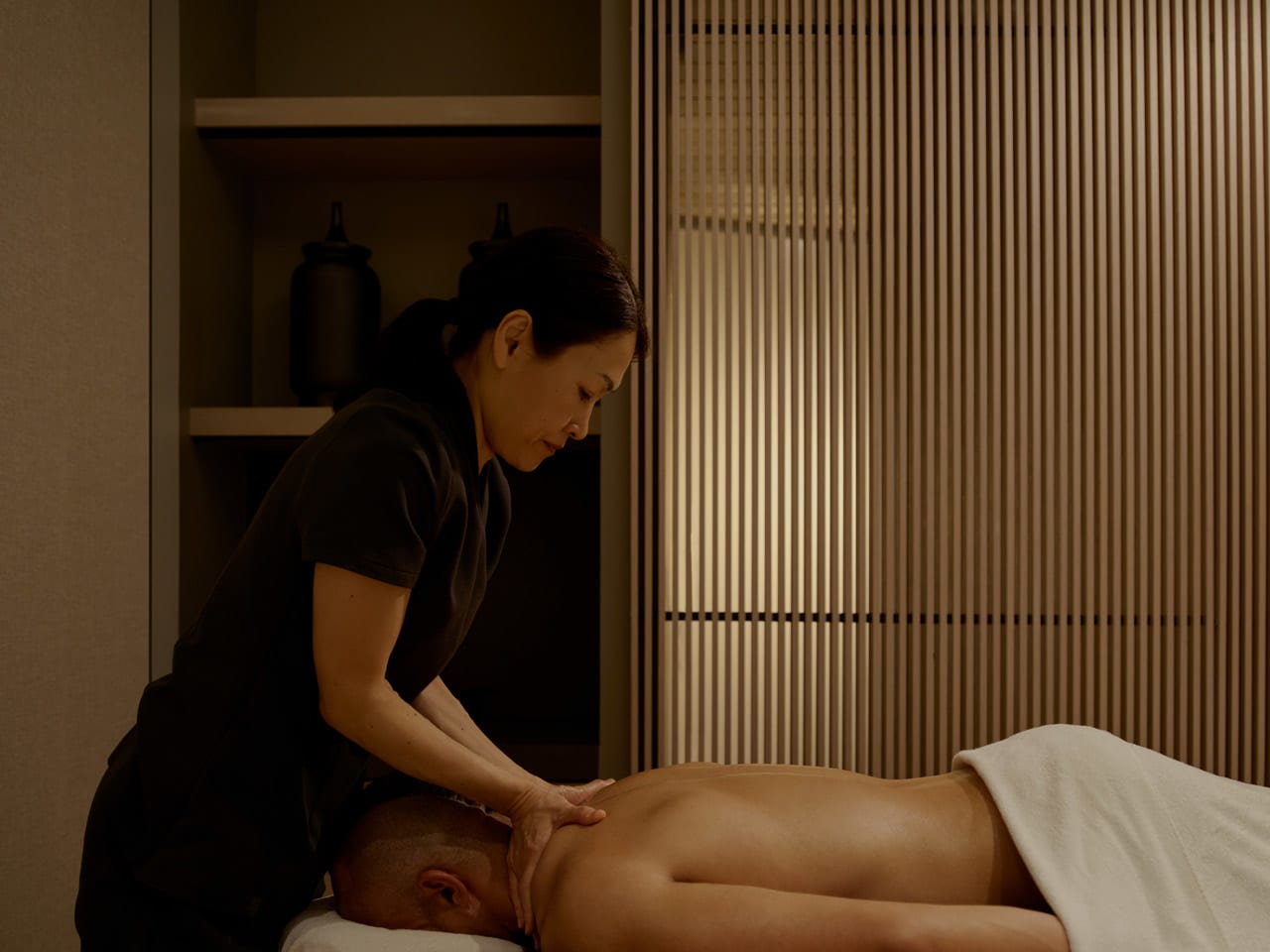
Maintaining a youthful appearance is just one facet of longevity treatments, which range from stress-reduction sessions like massage to nutritional support and sleep programs, Kriel says. Some retreats also offer medical services such as IV infusions and joint injections.
Keeping with the trend, Kriel is expanding Salamander Collection’s existing spa services, such as detox wraps and lymphatic drainage, to include dedicated “Wellness Rooms,” new vegan and vegetarian menu items, and well-being workshops. “Sleep, nutrition, and mindfulness will be a big focus for integration in 2024,” she says.
Data-Driven Wellness
Skyler Stillings, an exercise physiologist at Sensei Lanai, a Four Seasons Resort—an adults-only wellness center in Lanai, Hawaii—says guests were drawn to the social aspect when the spa opened in November 2021.
“We saw a huge need for human connection,” she recalls. But over the past few years, what’s paramount has shifted. “Longevity is trending much more right now.”
Billionaire co-founder of tech company Oracle Larry Ellison and physician and scientist Dr. David Angus co-founded Sensei. After the death of a mutual close friend, the duo teamed up to create longevity-based wellness retreats to nurture preventative care and a healthy lifestyle. In addition to the Lanai location, the brand established Sensei Porcupine Creek in Greater Palm Springs, California, in November 2022.
Sensei has a data-driven approach. The team performs a series of assessments to obtain a clearer picture of a guest’s health, making wellness recommendations based on the findings. While Sensei analyses that data to curate a personalised plan, Stillings says it’s up to the guests which path they choose.
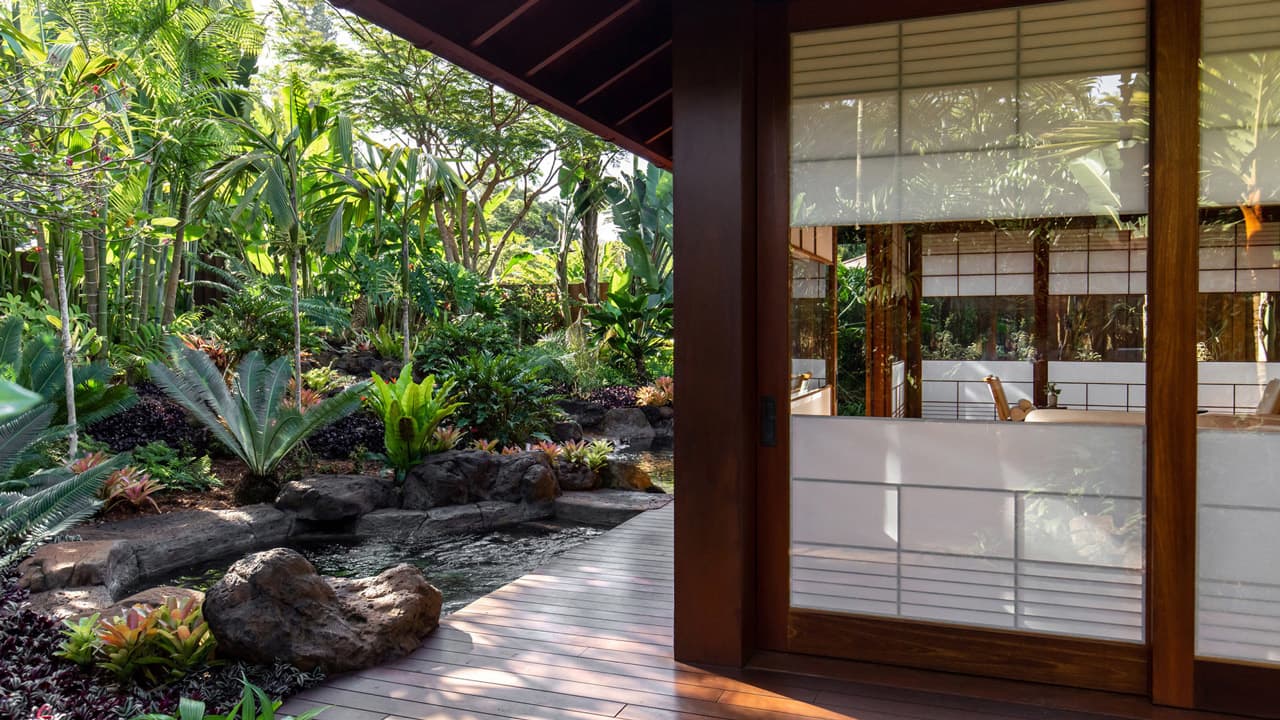
Sensei’s core three-day retreat is a “Guided Wellness Experience.” For spa treatments, each guest checks into their own “Spa Hale,” a private 1,000-square-foot bungalow furnished with an infrared sauna, a steam shower, a soaking tub, and plunge pools. The latest therapies include Sarga Bodywalking—a barefoot myofascial release massage, and “Four Hands in Harmony,” a massage with two therapists working in tandem. Sensei Guides provide take-home plans so guests can continue their wellness journeys after the spa.
Sanctuaries for Longevity
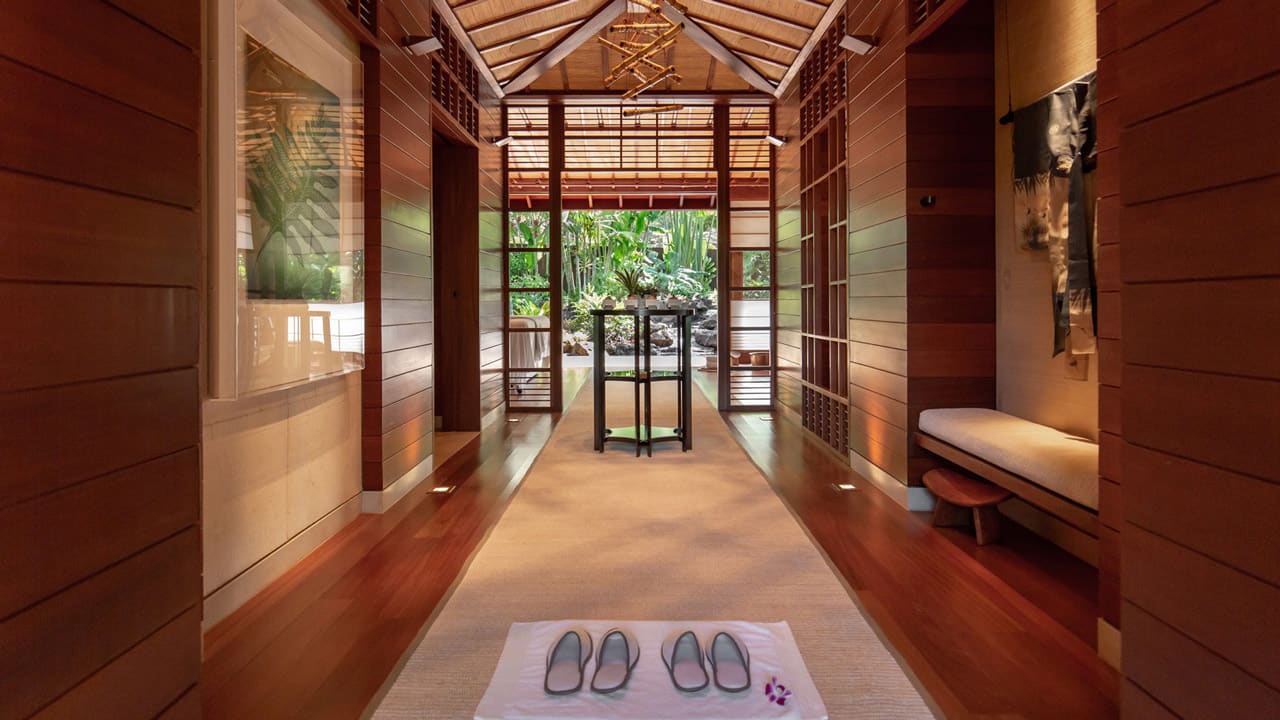
Headquartered in Switzerland with hotels and on-site spas across the globe, Aman Resorts features an integrative approach, combining traditional remedies with modern medicine’s advanced technologies. Tucked behind the doors of the storied Crown Building in Midtown Manhattan, Banya Spa House at Aman New York—the brand’s flagship spa in the Western Hemisphere—is a 25,000-square-foot, three-floor urban oasis.
Yuki Kiyono, global head of health and wellness development at Aman, says the centre provides access to holistic and cutting-edge treatments benefiting physical, mental, emotional, spiritual, and social well-being. Aman’s customisable “Immersion Programs” consist of a three- or five-day immersion. “The programs encompass treatments and experiences that touch every significant aspect to create a path for longevity, from meditation and mindfulness to nutrition and movement,” Kiyono explains.

The spa’s “Tei-An Wellness Solution” features 90- to 150-minute sessions using massage, cryotherapy, and Vitamin IV infusions. Acupuncture is also on offer.
“With its rich history of Chinese Medicine, modern research, and the introduction of sophisticated electro-acupuncture medicine, acupuncture has been proven to assist with problems and increase performance,” Kiyono says.
Resetting the Mind and Body
Beyond longevity, “healthspan”—the number of years a person can live in good health free of chronic disease—is the cornerstone of Mountain Trek Health Reset Retreat’s program in British Columbia, Canada.
Kirk Shave, president and program director, and his team employ a holistic approach, using lifestyles in long-living Blue Zones as a point of reference.
“We improve our daily lifestyle habits, so we live vitally as long as we’re meant to live,” Shave says of the retreat. He built the program from an anthropological stance, referencing humans as farmers, hunters, and gatherers based on their eating and sleeping patterns. Food includes vegetable-centric meals sans alcohol, sugar, bread, or dairy.
Guests wake at dawn each day and have access to sunrise yoga, several hours of “flow” or slow hiking, spa treatments, forest bathing, calming crystal singing-bowl and sound therapy sessions, and classes on stress reduction—one of Mountain Trek’s primary goals. The program motivates people to spend much of their time in nature because it’s been proven to reduce cortisol, the stress hormone that can lead to inflammation and disease when elevated for extended periods.
While most guests aren’t aware of how immersive Mountain Trek’s program is when they arrive, they leave the resort revitalised after the structured, one-week program. Set in the Kootenays overlooking its eponymous river, the resort and adventure promise what Shave calls a “visceral experience of transformation.”
“They’re interested in coming to be in nature,” Shave says of the guests. “They hit a wall in their life and slipped backwards, so they know they need a reset.”
This article first appeared in the Winter 2024 issue of Mansion Global Experience Luxury.
 Copyright 2020, Dow Jones & Company, Inc. All Rights Reserved Worldwide. LEARN MORE




BNW Developments has established a Sydney presence, joining Arada and Sobha Realty among the growing number of UAE developers pursuing Australian buyers and development opportunities.
The Australian leather house has opened an immersive four-day pop-up in Manhattan, unveiling its Bloom Collection and redefining what a product launch can look like.
AI-powered travel agents are challenging online booking platforms, but Airbnb’s exclusive listings and direct customer relationships could give it an edge. Its next challenge: turning repeat guests into loyal customers through stronger rewards and innovation.
3 min
AI agents like Muse can already find you the cheapest hotel room in Paris. But they can’t locate a cheaper version of that Catskills cabin you’ve been eyeing, because it might only be available on Airbnb ABNB -1.43%decrease.
Investors should pay attention to that distinction. When Meta Platforms META 3.38%increase launched its Muse agent last month, travel stocks including Booking Holdings BKNG -1.19%decrease, Expedia and Airbnb all fell sharply.
Airbnb, though, has a real chance to emerge as a winner from the upheaval. The catch: Its stock already reflects above-industry growth. To justify its valuation, Airbnb will need to turn repeat customers into loyal ones.
Online travel companies make much of their money by simplifying search and collecting fees on bookings. AI agents threaten that model.
But not all travel marketplaces are equally exposed. Booking and Expedia largely sell hotel rooms that travelers can also book directly or through competing sites. If an agent can find the same room elsewhere, it has little reason to favor either Booking or Expedia.
Booking and Expedia also sell sponsored listings that steer travelers toward particular properties. Wells Fargo estimates those will account for about 8% of Expedia’s revenue and a much higher percentage of profit next year.
Airbnb has more ways to adapt. More than half its listings are available only on its platform, and more than 90% of its traffic comes directly to its app or website.
The customer relationship doesn’t end after booking, either. Bernstein analyst Richard Clarke notes that 90% of Airbnb guests go on to message their hosts about arrival times, keys or local taxes, giving Airbnb a connection to both sides of the transaction.
How the companies have responded to the possible agentic future is telling.
Expedia quickly signed on as a Muse partner. Airbnb hasn’t, and Chief Executive Brian Chesky says AI chatbots have so far been a boon, sending customers to Airbnb’s website.
Chatbots might work for buying paper towels, he quipped at a Skift conference last month, but people enjoy planning trips. He argued that browsing dozens of homes isn’t something a text-based chatbot is well suited for.
Still, the AI jitters arrived just as Airbnb was persuading investors it deserved its pricey multiple. For years after its 2020 initial public offering, the stock—which trades around 25 to 30 times forward earnings—went nowhere. Investors saw a mature operator trading at a growth premium.
This year, Airbnb growth seems to be accelerating. The stock jumped in August after the company raised its full-year revenue-growth guidance with its second-quarter results. Wells Fargo analyst Ken Gawrelski credits a run of product improvements under a revamped leadership team.
Among the changes: letting guests reserve now and pay later, adding hotels, and a redesigned home page and app. Investors were also betting on what comes next, including thousands more hotels, car rentals and, eventually, advertising.
The irony is that some of those growth drivers push Airbnb closer to the kind of business Booking and Expedia run—the kind of business AI agents could threaten. Even if AI agents capture a large share of travel planning and booking, Airbnb would capture the demand. But it and others would slowly lose control over how customers find and choose properties.
That would undermine the advertising opportunity investors are counting on. The bigger point for Airbnb and other marketplaces is that losing control of customer acquisition could mean surrendering some of their pricing power and margins.
To bulletproof itself, Airbnb might look to another e-commerce giant that has so far kept AI agents at arm’s length: Amazon.
Like Amazon, Airbnb has a loyal customer base and hard-to-match supply. But it has nothing like Prime membership to make customers think twice before taking their business elsewhere.
That is where loyalty comes in. Business travelers stick with Hilton or Marriott because enough nights earn them perks. Leisure travelers rarely accumulate stays with one chain. Airbnb has millions of listings and plenty of repeat customers, but no broad rewards program. It has begun experimenting with credits on hotel stays, but it should make loyalty a priority, not just a promotion.
Airbnb also plans to launch its own AI agent next year. But travelers using an agent might still want it to search Airbnb, Vrbo, Booking and hotel websites alike, rather than limit itself to one company’s inventory.
Eventually, Airbnb might have to strike deals with agent makers, using its unique homes as leverage to negotiate favorable terms, says Gawrelski. Such deals, along with rewards for loyal guests, could over the long term eat into the company’s roughly 13% take rate, he adds. But if they bring in enough additional bookings, the trade-off could be worthwhile.
History offers a reason not to panic. The shift from desktop to mobile unsettled investors in Alphabet and Amazon, but both emerged as major beneficiaries. Companies with valuable assets can come out of a platform shift stronger, if they adapt quickly enough.
Airbnb has homes the bots can’t easily replace. Now it needs to give guests a reason to insist on booking them there.
