Amazon.com ’s Echo speakers are the type of business success companies don’t want: a widely purchased product that is also a giant money loser.
Chief Executive Andy Jassy is trying to plug that hole—and move away from the Amazon accounting tactic that helped create it.
When Amazon launched the Echo smart home devices with its Alexa voice assistant in 2014, it pulled a page from shaving giant Gillette’s classic playbook: sell the razors for a pittance in the hope of making heaps of money on purchases of the refill blades.
A decade later, the payoff for Echo hasn’t arrived. While hundreds of millions of customers have Alexa-enabled devices, the idea that people would spend meaningful amounts of money to buy goods on Amazon by talking to the iconic voice assistant on the underpriced speakers didn’t take off.
Customers actually used Echo mostly for free apps such as setting alarms and checking the weather. “We worried we’ve hired 10,000 people and we’ve built a smart timer,” said a former senior employee.
As a result, Amazon has lost tens of billions of dollars on its devices business, which includes Echos and other products such as Kindles , Fire TV Sticks and video doorbells, according to internal documents and people familiar with the business.
Between 2017 and 2021, Amazon had more than $25 billion in losses from its devices business, according to the documents. The losses for the years before and after that period couldn’t be determined.
It is a high-stakes miscalculation the tech giant made under founder Jeff Bezos that current CEO Jassy, who took the helm in 2021 , is now trying to change. As part of a plan to reverse losses, Amazon is launching a paid tier of Alexa as soon as this month, a move even some engineers working on the project worry won’t work, according to people familiar with those efforts.
An Amazon spokeswoman said the devices division has established numerous profitable businesses and is well-positioned to continue doing so, adding: “Hundreds of millions of Amazon devices are used by customers around the world, and to us, there is no greater measure of success.” The company declined to make Jassy or Panos Panay, who leads devices, available for an interview.
As Jassy tries to fix it, he is rethinking the obscure Bezos-era metric inside Amazon that helps explain why Echo and other devices could accrue such huge losses for so long with little repercussion. Called “downstream impact,” or DSI, it assigns a financial value to a product or a service based on how customers spend within Amazon’s ecosystem after they buy it.
Downstream impact has been used across Amazon business lines, from its Prime membership program to its video offerings and music.
The metric was developed in 2011 by a team of economists including an eventual Nobel Prize winner. In some instances, the model worked clearly. When customers buy Amazon’s Kindle e-reader—one of Amazon’s profitable devices—they are very likely to then buy ebooks to read on that device. Ebooks are part of the books business, not the devices business, but Amazon leaders said it made sense for the Kindle team to claim part of revenue when assessing their product’s internal value.
Similarly, some revenue from advertisements displayed on Fire TV streaming devices is also claimed as Fire TV revenue.
Some Amazon devices can count on direct revenue, such as by selling users subscriptions attached to the product. More than half of customers who buy smart-camera doorbells from Ring, another profitable Amazon device that the company bought in 2018, purchase security subscriptions.
In other cases—especially Echo devices—the downstream impact idea broke down, said the people familiar with the devices business.
Unlike the revenue, operating profit and other financial metrics Amazon and other companies report publicly, downstream impact is an estimate used internally, and not a particularly scientific or precise one.
Echo and other devices are generally sold at or below the cost to make them. The devices team, in internal pitch meetings to senior management, would claim the top end of a range of estimated revenue from downstream impact, some of the people said. The team relied heavily on the metric to justify costs related to Echo and other devices and the growing size of staff devoted to the business, which at one point swelled to more than 15,000 employees across all its products.
The system also enabled divisions to count the same revenue more than once, according to former executives. For example, if a customer bought an Echo device and Amazon’s Fire TV streaming stick, and then signed up for Amazon Prime, both the Echo team and the Fire TV team could claim cuts of the revenue from the Prime subscription.
Other downstream impact revenue that helped Echo devices look financially better on paper internally came from Amazon Music, a Spotify competitor with a $10 monthly subscription version.
The devices team also claimed a piece of shopping revenue, because people can use Alexa to order or reorder goods—though former employees on the Alexa shopping team say that doesn’t contribute meaningful e-commerce revenue.
The Amazon spokeswoman said more than half of Echo owners have used it to shop but declined to answer questions on how much they buy or how often they do so.
“Basically DSI was the golden thing that kept us all afloat all these years,” said a former longtime Amazon employee who worked on Echo.
Racing Google
Amazon’s devices operation was a pet project of Bezos, and the Alexa voice assistant and the Echo speakers through which it communicated were inspired by his interest in the spaceship computer in “Star Trek.”
“When launching products back then, we didn’t have to have a profit timeline for them,” said a former longtime devices executive. “We had to get the system in people’s homes and we’d win. Innovate, and then figure out how to make money later.”
To do that, the team had to keep prices low. Amazon sometimes even gave away versions of the smart speaker as part of promotions in a bid to get a larger base of users.
“We don’t have to make money when we sell you the device,” former Amazon devices senior vice president Dave Limp told The Wall Street Journal in 2019. “Instead, we make money when people actually use the device.”
Amazon was up against competition from giant rivals including Google, whose line of smart speakers was priced very low. Both companies were trying to grab space in as many homes as possible. “We were constantly checking their pricing. There would be water cooler talk like ‘what are we trying to [do], race Google to the bottom?’” said a former person on the Echo team.
Bezos protected the devices team, even as losses mounted, said people familiar with the unit, continuing investment and expanding staffing.
In 2018, devices lost more than $5 billion. It was spending lavishly to develop devices such as an in-home robot eventually named Astro that could act as a smart butler. Unveiled in 2021 but still sold only by invitation, Astro boasts a $1,600 price tag and more than $1 billion in total development costs. This month, Amazon killed off its Astro for Business product.
An Amazon spokeswoman denied Bezos shielded the devices business or treated it any differently than Amazon’s other businesses.
Despite Bezos’ well-known mantra to take risks and “fail fast,” the losses racked up over years. Customers weren’t shopping on the device, and attempts to sell services such as security through Alexa also floundered. Pushing advertisements through the smart speakers bothered users, so Amazon limited their use.
In 2019, device losses increased to more than $6 billion, according to internal documents. Still, the device team introduced new products, such as the Luna gaming streaming service with corresponding devices and the Halo fitness tracker.
Jassy’s profitability review
Jassy, who had headed Amazon’s lucrative cloud-computing business before becoming CEO, has a reputation as an operator laser-focused on profits.
Soon after taking the reins from Bezos three years ago, he did a profitability review of Amazon’s business lines, from retail and logistics to advertising. He zeroed in on the money-losing devices business , the Journal has reported.
Teams working on new devices without a clear path to profitability were disbanded. Those working on more mature products that weren’t showing revenue or profits were instructed to develop revenue streams. Jassy often asked leaders to demonstrate a path to profitability without using downstream impact as a crutch, according to people familiar with the discussions.
In October 2022, Amazon killed off Amazon Glow, a video-calling gadget that was losing money on each sale—and wasn’t recouping the losses when customers used it or paid a fee for content. The product had launched only a year earlier. Jassy had told the team that he wanted it to be profitable before downstream impact.
The Amazon spokeswoman said the company plans to continue measuring the success of its businesses in part by how they help other parts of the company grow.
In late 2022, Amazon’s senior team put plans in place to begin laying off corporate employees in order to shore up profits across Amazon. Devices were a focus of the cuts.
More devices were shut down last year, including the Halo, Amazon’s fitness wearable. In late 2023, Limp, the Amazon devices head, left Amazon after more than 13 years at the company. He said in a note to employees that “It’s not because I am less bullish about the devices and services business.”
Jassy’s team also zeroed in on Alexa and the Echo device. While the technology behind Echo is wildly popular—there are more than 500 million Alexa-enabled devices globally—Jassy urged the teams to find ways to monetize the device and its technology.
A group was assembled under Amazon vice president Heather Zorn to create a way to charge customers a fee for Alexa. Code-named “Banyan,” like the tree, the group has been working to create a product called “Remarkable Alexa,” that would be built on an entirely new technology stack and have more capabilities than the current version of Alexa installed on Amazon devices, according to people familiar with the matter. Business Insider previously reported some details about Remarkable Alexa.
The new technology would more seamlessly allow users to control functions like smart home devices using their voices rather than opening an app. It will also incorporate generative artificial intelligence more than the current Echo experience. Bezos hinted at a new version of Alexa in a podcast interview in December. “Alexa is about to get a lot smarter,” he told the host.
Zorn’s team is slated to launch the new Alexa subscription service as soon as this month, and the team is still figuring out what it should charge, according to one of the people.
One person who worked on the team said some members were skeptical about whether customers would want to pay for yet another subscription in an age of cord-cutting, since people already pay a la carte for subscriptions such as Netflix, Spotify and even Amazon’s own services Prime and Amazon Music. The person also said some members worried that the new Alexa didn’t offer a compelling enough product worth paying for.
“The technology isn’t there, but they have a deadline” to launch the product, the person said.
The Amazon spokeswoman said that Amazon is closer than ever to building the world’s best personal assistant and that the opportunity is greater than what would appear on a balance sheet.



 7 min
7 min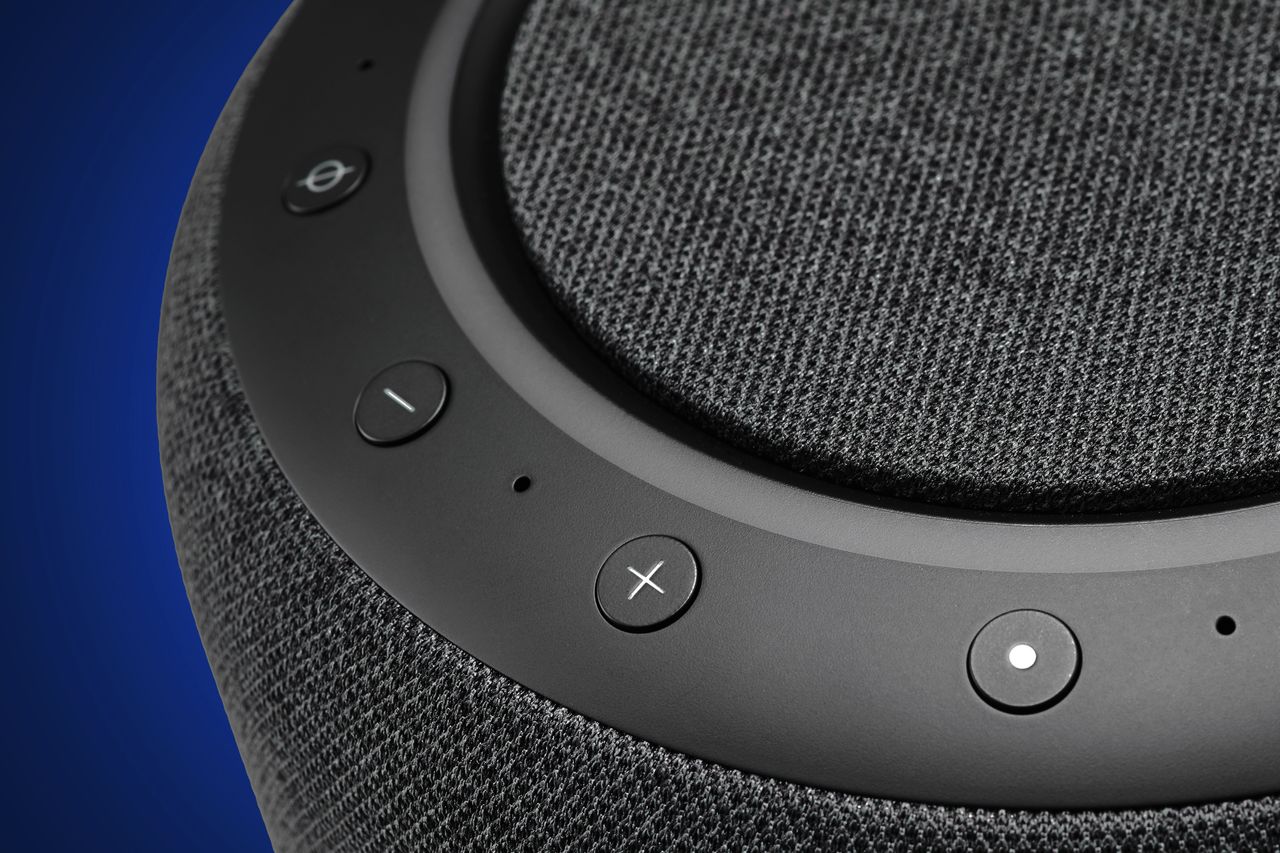
 Copyright 2020, Dow Jones & Company, Inc. All Rights Reserved Worldwide.