China Will Lift Ban on Australian Rock Lobsters, Australia PM Says - Kanebridge News
Share Button

China Will Lift Ban on Australian Rock Lobsters, Australia PM Says

China is Australia’s largest trading partner, but Australia’s growing security ties with the U.S. has added complexity to its relationship with Beijing

By MIKE CHERNEY
Fri, Oct 11, 2024 11:39amGrey Clock < 1 min

SYDNEY—China will lift a ban on Australian rock lobster imports by the end of the year, Australia’s prime minister said Thursday, as ties between the two major trading partners continue to stabilise.

The announcement, following months of speculation, comes after China previously lifted trade barriers on various other Australian goods including barley, wine and beef. Beijing imposed the restrictions in the aftermath of the Covid-19 pandemic, during a diplomatic spat with Australia’s previous government.

Many of Australia’s live lobsters were sent to China prior to the ban, which sent prices spiralling downward.

“With our patient, calibrated and deliberate approach, we’ve restored Australian trade with our largest export market,” Australian Prime Minster Anthony Albanese said Thursday after meeting with Chinese Premier Li Qiang alongside an Asean summit in Laos. “We’ve worked for the removal of trade impediments one by one.”

Albanese said the lifting of the ban would support Australian jobs, and noted the ban will be lifted in time for Lunar New Year in early 2025.

China is Australia’s largest trading partner, but Australia’s growing security ties with the U.S. has added complexity to its relationship with Beijing. Ahead of the meeting with Li, Albanese said his message would be that “we’ll cooperate where we can, we’ll disagree where we must.”


MOST POPULAR

BNW Developments has established a Sydney presence, joining Arada and Sobha Realty among the growing number of UAE developers pursuing Australian buyers and development opportunities.

The Australian leather house has opened an immersive four-day pop-up in Manhattan, unveiling its Bloom Collection and redefining what a product launch can look like.

Related Stories
Money
Japan Spent Record $50 Billion in Single Day to Bolster Yen
By Megumi Fujikawa 09/11/2026
Money
How Families Can Beat 7% Mortgage Rates and Lower Their Tax Bills
By Laura Saunders 09/10/2026
Money
The Stock Market’s Breezy Summer Is Over. Investors Beware.
By Hannah Erin Lang 08/09/2026

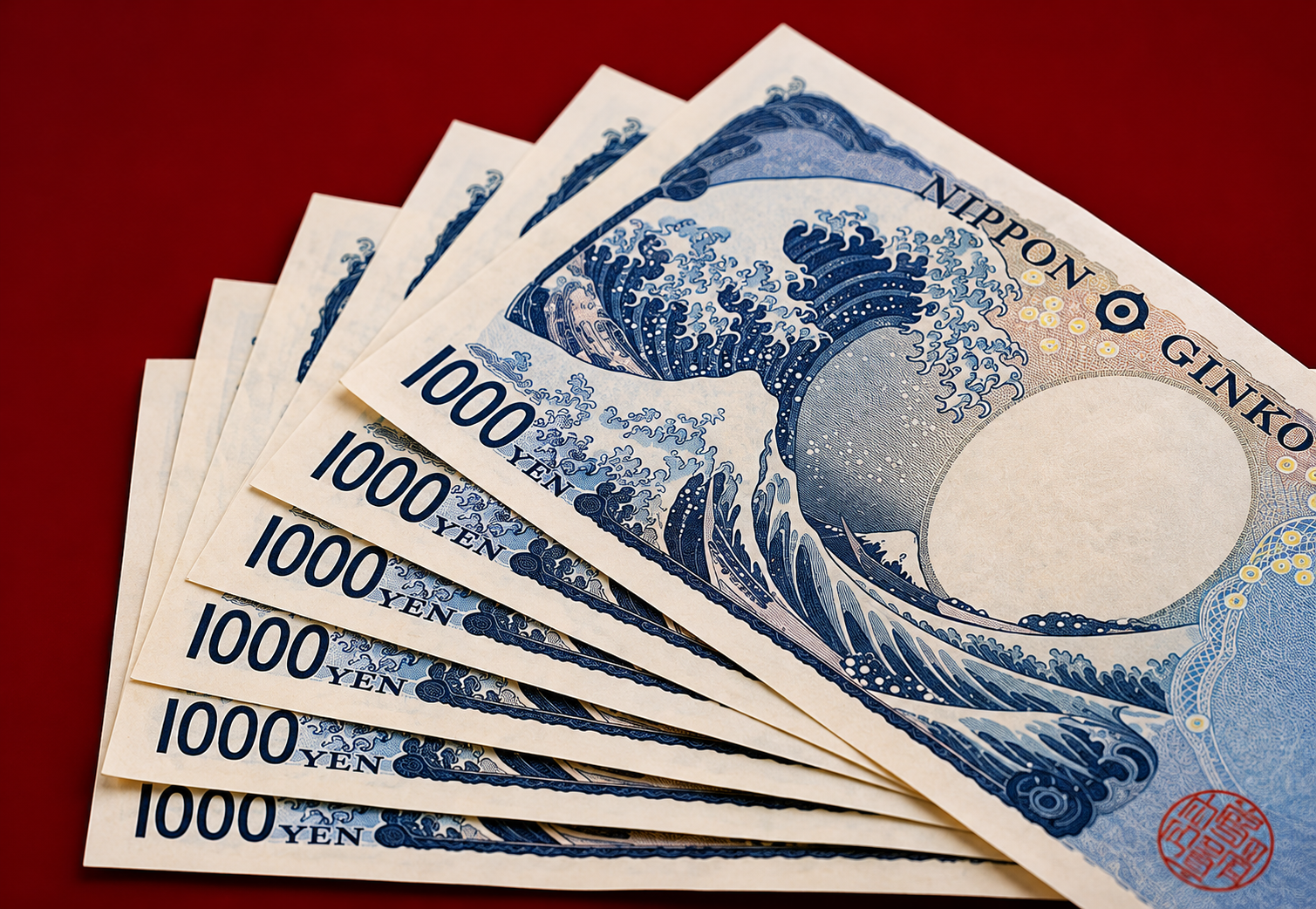
Japan spent a record $50 billion in one day in July to support the yen, as part of a $97.16 billion intervention campaign with the US. Despite the efforts, the yen remains weak at around 158.20 against the dollar.

By Megumi Fujikawa
Mon, Nov 9, 2026 < 1 min

Japan spent a record $50 billion in one day during July to prop up the yen, underscoring an aggressive intervention campaign that included rare joint action with the U.S.

Ministry of Finance data on Monday showed that Tokyo bought a total of 15.399 trillion yen, equivalent to $97.16 billion, in July and August. It deployed about half of that on July 30 alone, spending 7.976 trillion yen.

The sum exceeded the amount spent in April and May, reflecting officials’ growing anxiety after the currency tumbled to a four-decade low near 164 against the dollar earlier this year, and highlighting the difficulty of turning the tide against persistent yen weakness.

Japan’s Finance Minister Satsuki Katayama and U.S. Treasury Secretary Scott Bessent confirmed coordinated intervention to support the yen in late July, the first such operation since 1998.

The unusual move initially boosted the yen, but the currency is still hovering around 158.20 against the dollar as growing expectations of further Federal Reserve rate increases reinforce views that the wide U.S.-Japan interest-rate gap is here to stay.

Bessent was outspoken about the yen’s sharp slide during the summer, expressing support for Tokyo’s steps to counter the currency’s undervaluation and noting its role in driving up domestic inflation.

His remarks fueled speculation about faster monetary tightening by the Bank of Japan, which raised interest rates to 1.25% in September and is expected to act again by year’s end.

The central bank has cited the yen’s weakness as one of the major factors affecting Japan’s economic and inflation outlook.