The Trending Look That Has Home Designers Playing With Fire
This centuries-old Japanese technique is adding a surprisingly contemporary vibe to luxury homes, inside and out
By JENNIFER TZESES
Mon, Aug 12, 2024 8:57am 5min
Jeffrey Dungan, founder and creative director at Jeffrey Dungan Architects in Mountain Brook, Alabama, prefers to apply the technique inside a home for a dark and moody vibe. William Abranowicz
It’s the kind of edgy design trend you might have scrolled past on a social media feed: homes bearing beautifully charred facades or feature walls, a charcoal patina that seems as if it emerged from fire itself—in fact, that’s exactly how it came into being.
Shou sugi ban, also known as yakisugi, is a Japanese wood-burning method with roots that run deep. The craft emerged during Japan’s Edo period, from 1603 to 1868, as a way to clad cedar buildings to withstand temperature fluctuations between seasons and render them fire retardant and insect repellant. Aside from its practical benefits, the look has exploded in the West as a way to give homes—mostly luxury ones—a brooding, dramatic exterior that fits with an earthy minimalist aesthetic as much as texture-rich maximalist one.
The preservation technique, which can be achieved by hand or machine, involves burning wood until the surface is charred, cooling and cleaning it to remove soot and dust and finishing it with natural oils to reinforce its durability and aesthetic appeal.
Dark and charred and decidedly grained, the look of shou sugi ban is altogether distinctive.
“When you burn the clean wood, it creates a textural surface that highlights the beauty of the wood grain and colour,” said Mia Jung, director of interiors at Ike Kligerman Barkley in New York and San Francisco.
Depending on the degree of charring and finishing, the wood can produce a range of looks from deep black with pronounced grain patterns to a more subtle dark brown or grey with a smoother finish, said Jiun Ho, founder of Jiun Ho Inc., a multi-disciplinary interior and furnishings design firm in San Francisco.
Defining Detail
Unlike the purely functional role of the shou sugi ban technique of the past, today, it’s most commonly used for decorative purposes—both inside and outside the home.
“It has a modern yet earthy aesthetic,” said Stephanie Hobbs, design principal at Marmol Radziner in Los Angeles. “Clean lines and details help this naturally textured and rough material feel modern and luxurious.”
The old-world application can, ironically, have a very contemporary vibe. “The simplicity of the wood offers a beautiful and natural look that honours the Japanese aesthetic of wabi-sabi, which embraces imperfections,” said Teresa Boyd and Helena Finkelstein, co-owners and lead designers of Verona, New Jersey-based Olive Hill Design Company.
While traditionally rendered in cedar, modern variations of the art utilise different types of woods, such as Douglas fir, cypress, pine or oak, creating many diverse looks. The cost of shou sugi ban varies widely based on factors such as the type of wood used, the degree of charring and the finish applied.
“It can be more expensive than untreated wood due to the labor-intensive process,” Ho said. Typically, prices range from $15 to$20 per square foot on average.
What’s Old Is New Again
There’s no denying the technique is having a moment, and it aligns with so many other trends, such as the growing emphasis on artisan-made things as well as biophilic design, a concept that aims to connect people with nature, in part, through natural materials.
“In this age of fast everything, there is a growing respect and appreciation for traditional craftsmanship,” Kornak said. “Shou sugi ban is a great example of that—it has a rich and beautiful history, especially in architecture and design. In addition, it’s both modern and rustic, which is aesthetically intriguing.”
The wood retains the carbon-dioxide absorbed during the tree’s growth, making it more durable and expanding the life of the wood, said Philip Consalvo, principal of PJCArchitecture in New York City.
Tom Stock, Stock Studios Photography
The matte finish and distinctive wood graining create a striking impression that is different from what people are used to seeing, Hobbs said, noting how it balances with a natural landscape.
“People love the warmth and natural qualities of wood siding, but it often comes with a large commitment to maintenance. This method of finishing ages naturally and beautifully over time and requires less maintenance than a typical wood siding application,” she said.
What makes shou sugi ban even more relevant is that it’s eco-friendly. The wood retains the carbon-dioxide absorbed during the tree’s growth, making it more durable and expanding the life of the wood, said Philip Consalvo, principal of PJCArchitecture in New York City. It also naturally protects the wood from the elements, eliminating the need for harsh chemicals.
“As darker home exteriors continue to trend, we will likely see this material becoming increasingly popular for cladding,” he said.
Fresh Ways to Play With Fire
These days, shou sugi ban, in all of its smoky glory, is showcased in a multitude of ways—as siding and fencing, decking, interior and feature walls and furniture.
Ho loves using shou sugi ban for wall cladding because “it adds a multi-dimensional texture making the interior feel rich and warm.” For a new restaurant he’s designing called Enclos, which is opening later this summer in Sonoma, California, he covered the dining room’s walls and ceiling with shou sugi ban. “This created a dark black texture that serves as a blank canvas, allowing everything in the room, including the guests and the food, to stand out,” he said.
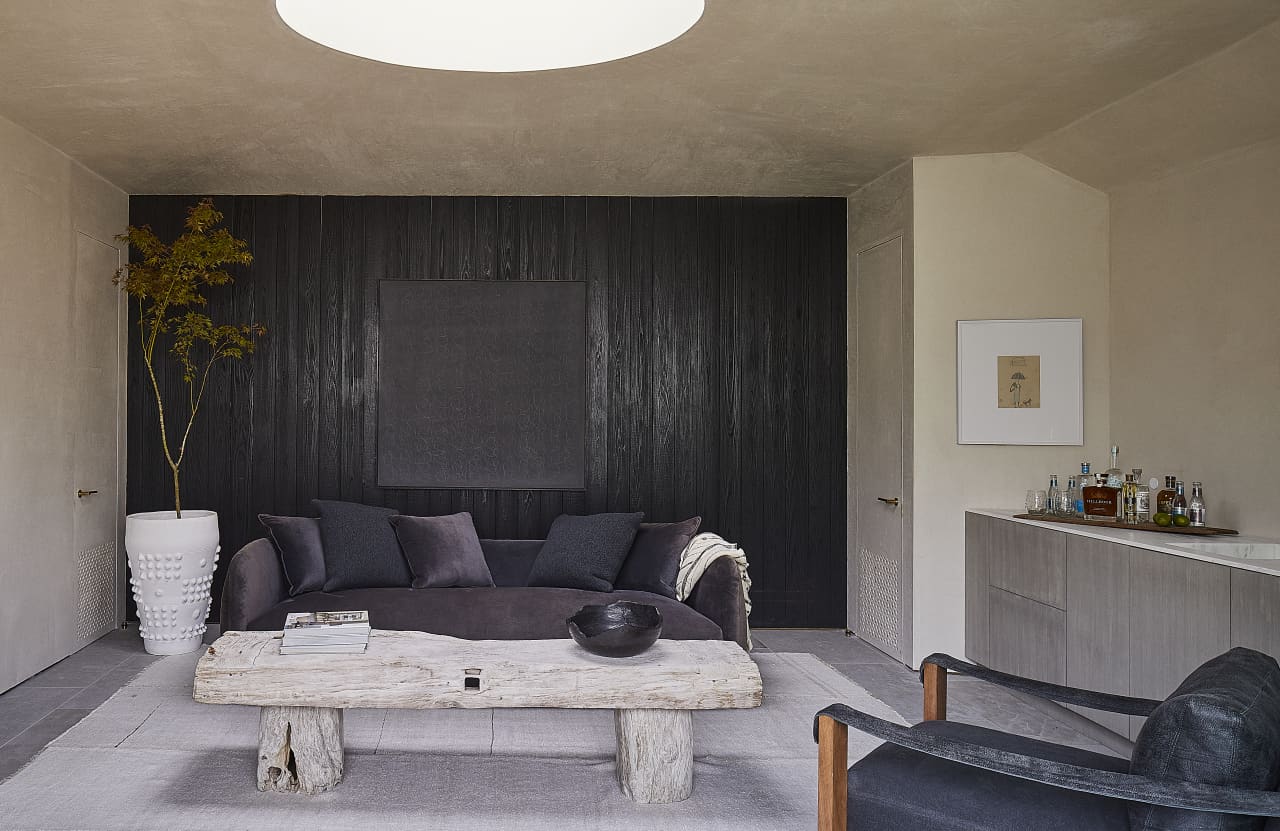
Jeffrey Dungan, founder and creative director at Jeffrey Dungan Architects in Mountain Brook, Alabama, prefers to apply the technique inside a home for a dark and moody vibe. While Hobbs tends to add the charred wood as a finishing material to connect interior walls with exterior siding.
Interiors created with shou sugi ban by Jeffrey Dungan.
William Abranowicz
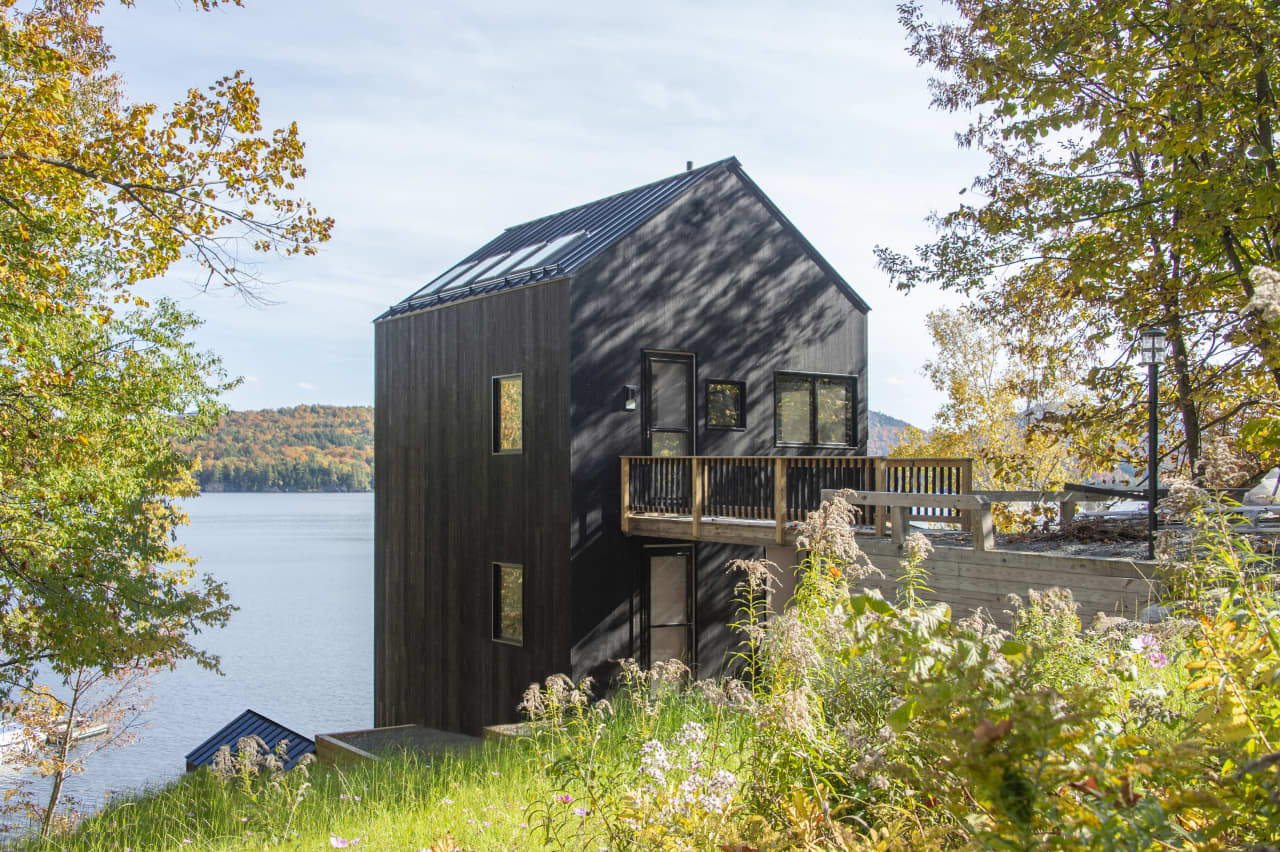
Siding is the most common way to showcase the Japanese technique. Consalvo used the material as siding because of its “eco-friendly nature and seamless integration with the home’s natural surroundings,” for a recently completed lake house in the Adirondacks.
“The unique appearance of shou sugi ban enhanced the modern aesthetic we desired for the house. By incorporating this traditional craftsmanship in a modern way, we aimed to honour the Japanese wood preservation technique,” he said.
However, Consalvo noted that since the charring process is unfamiliar to many builders and contractors, “proper training and understanding of the technique are essential to achieving the desired results and maintaining its integrity and benefits.”
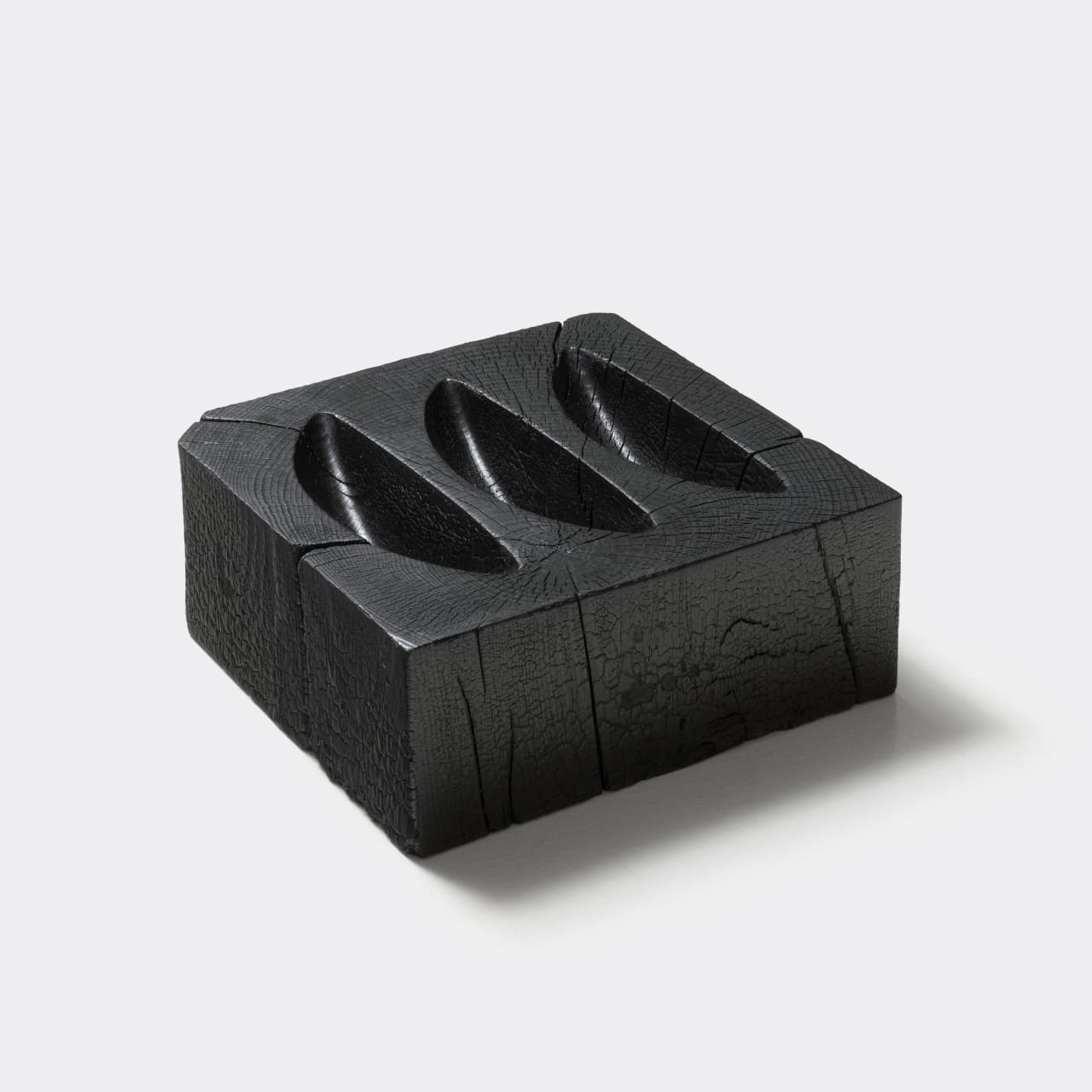
Carved bowls by A Space.
Courtesy of Holly Hunt
Aside from walls and siding, Shou Sugi Ban can be used to fashion bespoke items such as furniture, light fixtures or objets d’art. Design firm Holly Hunt has used geometric figurines by Martha Sturdy called “Reflections” as well as hand-carved solid cedar bowls from A Space.
“For both of these, the ashen black finish and minimalist lines are a graceful yet robust accent for interiors,” said Jo Annah Kornak, senior vice president and executive creative director of Chicago-based Holly Hunt.
Homeowners who are curious about the look but don’t want to commit to decorating large expanses can add a small side table or console crafted with the shou sugi ban technique for a natural and minimalist addition to their décor, Boyd and Finkelstein suggested.
Copyright 2020, Dow Jones & Company, Inc. All Rights Reserved Worldwide. LEARN MORE
The Australian leather house has opened an immersive four-day pop-up in Manhattan, unveiling its Bloom Collection and redefining what a product launch can look like.
Following the successful launch of its Palais Collection, MAISON de SABRÉ has unveiled a new modular handbag system offering more than 720 styling combinations.
Related Stories
Lifestyle
Paramount Discussed $1.5 Billion California Investment to Clear Merger Hurdle
By 21/09/2026
Property
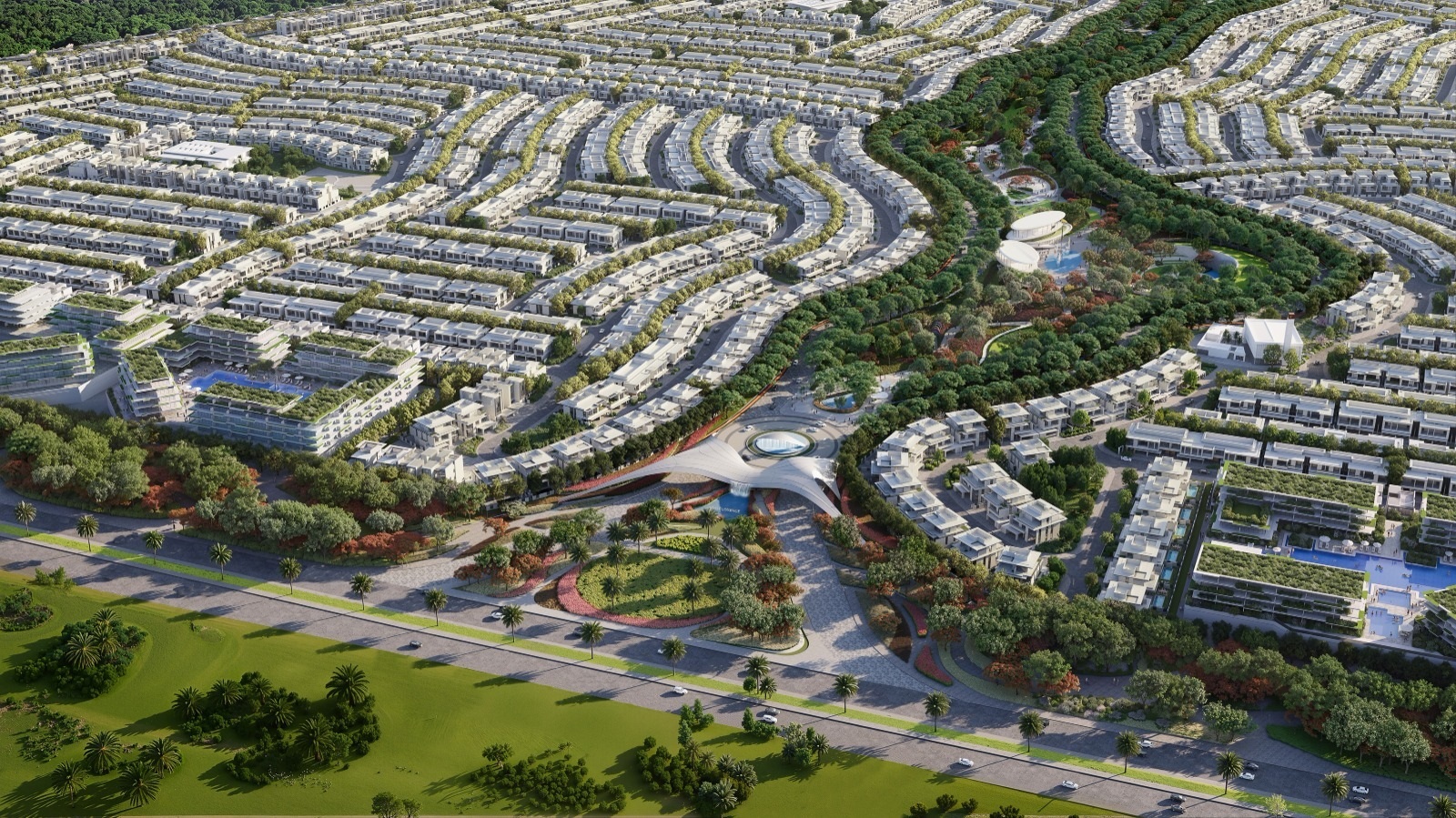
$8.1 billion, 10,000-home community set for Dubai neighbour Sharjah
By Ruba Jaajaa 21/09/2026
Lifestyle
Forget the AI Apocalypse—the Real Threats Are Already Here
More than 10,000 homes, an expansive central park and a mix of hospitality, retail and wellness facilities will form Azizi Developments’ first master-planned community in the emirate.
By Ruba Jaajaa
Mon, Sep 21, 2026 2min
Sharjah is set to receive one of its largest new residential communities, with Azizi Developments unveiling plans for a US$8.1 billion master-planned precinct containing more than 10,000 homes.
Named Azizi Florence, the freehold development will comprise 1,130 villas, more than 6,000 townhouses and 3,500 apartments. Three-bedroom townhouses will start from US$515,000, with an indicative rate of US$231 per square foot of saleable space.
The project marks the Dubai-based developer’s first move into Sharjah, expanding a portfolio that includes the planned Burj Azizi skyscraper and the Azizi Venice community in Dubai.
A park at the heart of the community
Rather than treating landscaping as an afterthought, Azizi Florence will be organised around a 1.7 million sq ft central park.
The wider precinct is planned as a self-contained neighbourhood combining homes with retail, hospitality, education, leisure and wellness facilities.
Six residential clusters will sit within the development, each with its own park, clubhouse, community centre and landscaped gardens. The approach reflects a broader shift across large Middle Eastern developments, where greenery, recreation and everyday convenience are increasingly central to the residential proposition.
The scale of Azizi Florence suggests it is intended to function as a neighbourhood rather than a collection of housing estates. Its mix of housing types should also give the project broader appeal, accommodating apartment buyers alongside families seeking townhouses or standalone villas.
Azizi expands beyond Dubai
Azizi Developments has delivered more than 45,000 homes to buyers from over 100 countries and says it has approximately 150,000 units under construction.
Much of its growth has been concentrated in Dubai, where its portfolio extends across Palm Jumeirah, Mohammed Bin Rashid City, Dubai South, Sheikh Zayed Road and Downtown Jebel Ali.
Its most prominent current project is Burj Azizi, which is intended to become the world’s second-tallest building. Azizi Florence represents a different type of undertaking: a low-rise, family-oriented community built around public space and daily amenity.
For company founder and chairman Mirwais Azizi, the Sharjah project also carries a personal connection. The emirate was his first home in the UAE more than three decades ago, adding a symbolic dimension to the developer’s expansion.
Sharjah’s residential ambitions grow
Although Dubai and Abu Dhabi have traditionally captured much of the international attention directed at the UAE property market, Sharjah has been steadily broadening its residential offering.
Large freehold communities such as Azizi Florence have the potential to attract both local families and international purchasers looking for comparatively accessible entry points into the Emirates’ property market.
At a starting price of US$515,000, the project’s three-bedroom townhouses will sit well below the cost of equivalent family homes in many of Dubai’s more established luxury communities.
The ultimate appeal, however, will depend on execution. At this scale, the quality of the public realm, connections between residential clusters and delivery of the promised supporting infrastructure will be as important as the homes themselves.
If those elements come together, Azizi Florence could help establish a new benchmark for large-scale residential development in Sharjah—and give buyers another option beyond the UAE’s better-known property markets.



 5 min
5 min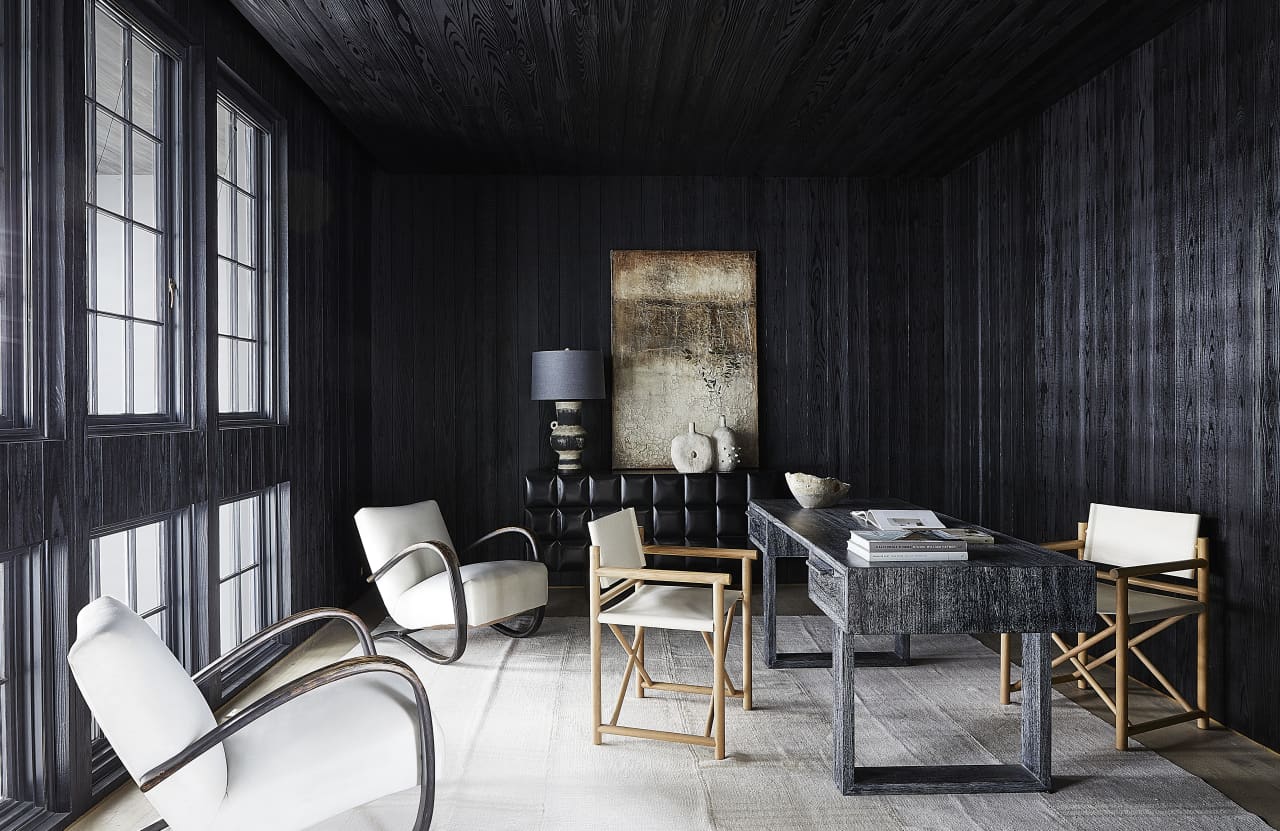
 Copyright 2020, Dow Jones & Company, Inc. All Rights Reserved Worldwide.