How Australia’s Business Leaders Really Switch Off
From Tokyo backstreets to quiet coastal towns and off-grid cabins, top executives reveal where they holiday and why stepping away makes the grind worthwhile.
By Nina Hendy
Fri, Dec 19, 2025 11:19am 5min
Months of running between meetings and breaking down the working week into 30-minute increments to get through a long list of tasks takes its toll on the most astute business leader.
So, Kanebridge News asked corporate high-flyers where they holiday and how they value their time, which revealed a fascinating insight into not just what makes them tick.
Many told stories of time away from the hustle, spent exploring the dark corners of Tokyo, the beaches of Bali and off-grid tiny homes with loved ones.
They agreed that taking a well-earned break from rigid scheduling and being ruled by a calendar in a high-pressure environment makes the hustle worthwhile.
Karlie Cremin, CrestCom
Karlie Cremin, CrestCom
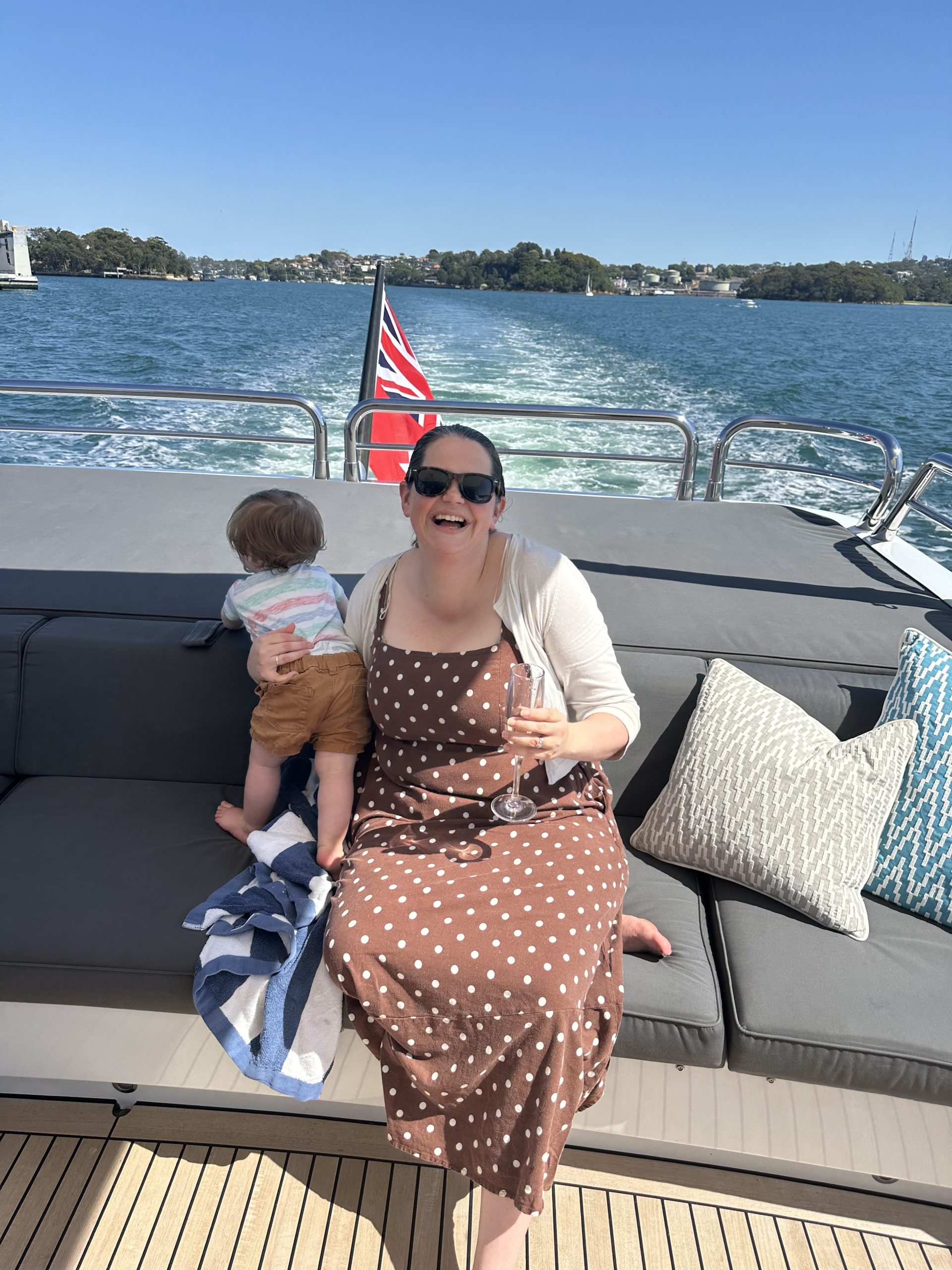
High-profile Sydney leadership trainer Karlie Cremin leaves the city behind for a break by the beach with her husband and three children, all under 10 years of age.
Having school-aged kids means she’s tethered to the school holiday period for her breaks, but the CEO of leadership program firm Crestcom makes the most of it, driving north of Sydney to the Central Coast for a two-week break at the end of each year at Pearl Beach.
“We love the area because no one goes there, and yet it’s magical. It’s this little oasis away from the traffic jams, which gives us something to look forward to.”
The family hires the same house every year, located within walking distance of the local beach, where they hang out during the day.
“The kids arrive at the holiday house and know where everything is and how to get around. They love the familiarity of hiring the same house every year.”
Karlie loves a bite at nearby eatery Bells at Killcare while in town, which is booked in advance.
“There’s nothing much at Pearl Beach, which is how we like it. Mostly, we barbecue out back, serve salads, and keep it really simple. We enjoy not having complicated dinners when we’re on a break,” Cremin says.
While she would love to completely switch off, the reality is that she does need to be available for work.
“There are some tasks that only I can do in the organisation, but I tend to handle those things that pop up once the kids are in bed, so it doesn’t interfere with family time.”
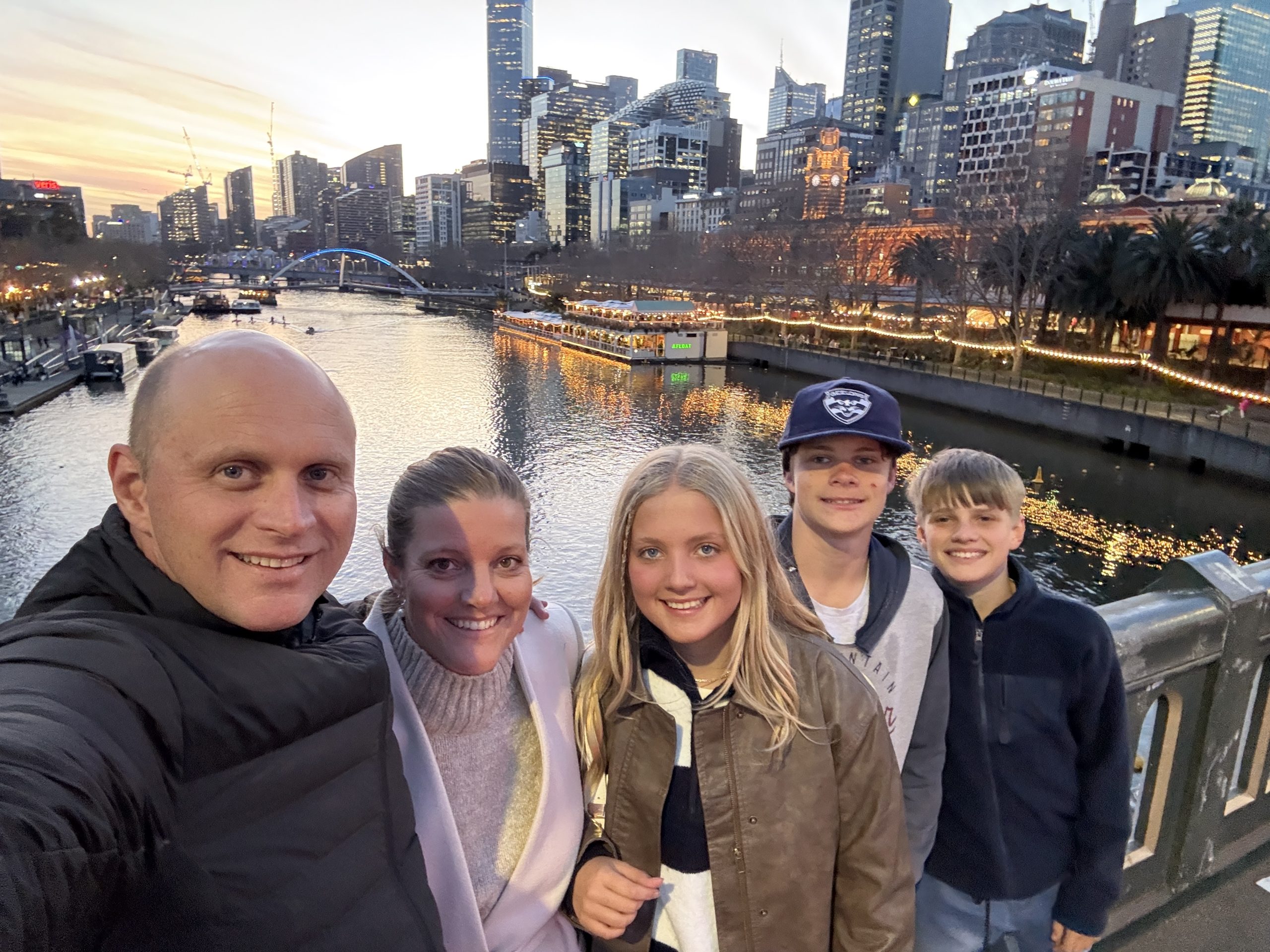
Nic Brill, global CEO, Poolwerx , and family
Nic Brill, global CEO, Poolwerx
Running the largest global franchise pool service brand as it continues on a strong growth trajectory is a big job for Nic Brill, who stepped into the global CEO role late last year. (SUBS 2025)
He admits that leading a service business of scale requires clear thinking, good judgement and sustained energy.
“I’m at my best when I’ve had time to step back and reset, so I view downtime as a strategic necessity.”
The company works hard to create environments that elevate people’s quality of life at home.
“We also take a few international breaks throughout the year. For me, the ideal holiday is somewhere warm, relaxed and close to the water.”
“Time is one of those things you can’t manufacture, so I’m very deliberate about how I use it. When I’m taking a break, I try to protect it so I can be present with my family and properly recharge. At the same time, I lead a large franchise network, and I’m always mindful of my responsibility to our people.
Small townships dotted along the northern NSW coastline has become a favourite, where he goes to switch off, spend time with family.
“I’m happiest when the days are simple – time by the pool or ocean, good meals and a chance to slow down and reconnect.
“I also like to keep active, whether that’s swimming, getting out for a run or exploring somewhere new,” Brill says.
Brad Krauskopf, CEO and founder, Hub Australia
Brad Krauskopf, CEO and founder, Hub Australia
The founder of Australia’s largest privately owned flexible workspace operations has spent more than a decade building his business.
Founded in response to the growing number of freelancers and entrepreneurs requiring workspace following the global financial crisis, the pioneering business model has been built on sweat equity.
But when he’s away from the daily grind, Brad likes to book flights to somewhere in Asia, which has emerged as a favourite holiday spot for him and his family. Malaysia, Thailand and Bali are popular spots.
He also recalls a great holiday in Tokyo’s Shinjuku Golden Gai, a collection of mismatched, tumbledown bars lining a darkened corner of the city.
While adventure holidays were a favourite in years gone by, that’s not so much the case these days as a family man. He often spends time trying local cuisine, wandering through retail areas and seeing the local sights, which are his favourite.
Holidays across Australia are also a favourite. “When I’m away, the out of office is on, and the team know that if they need me, they need to call or text me. I’m not contactable on email when I’m on a break, which means I’m not buried in my inbox while I’m away. Keeping yourself off the emails or Slack or whatever it is gives you that distance from work that enables you to take a good break.”
He also likes to take a break by himself occasionally to recharge. “I try to take all my leave each year, because it helps me be better when I’m at work.”
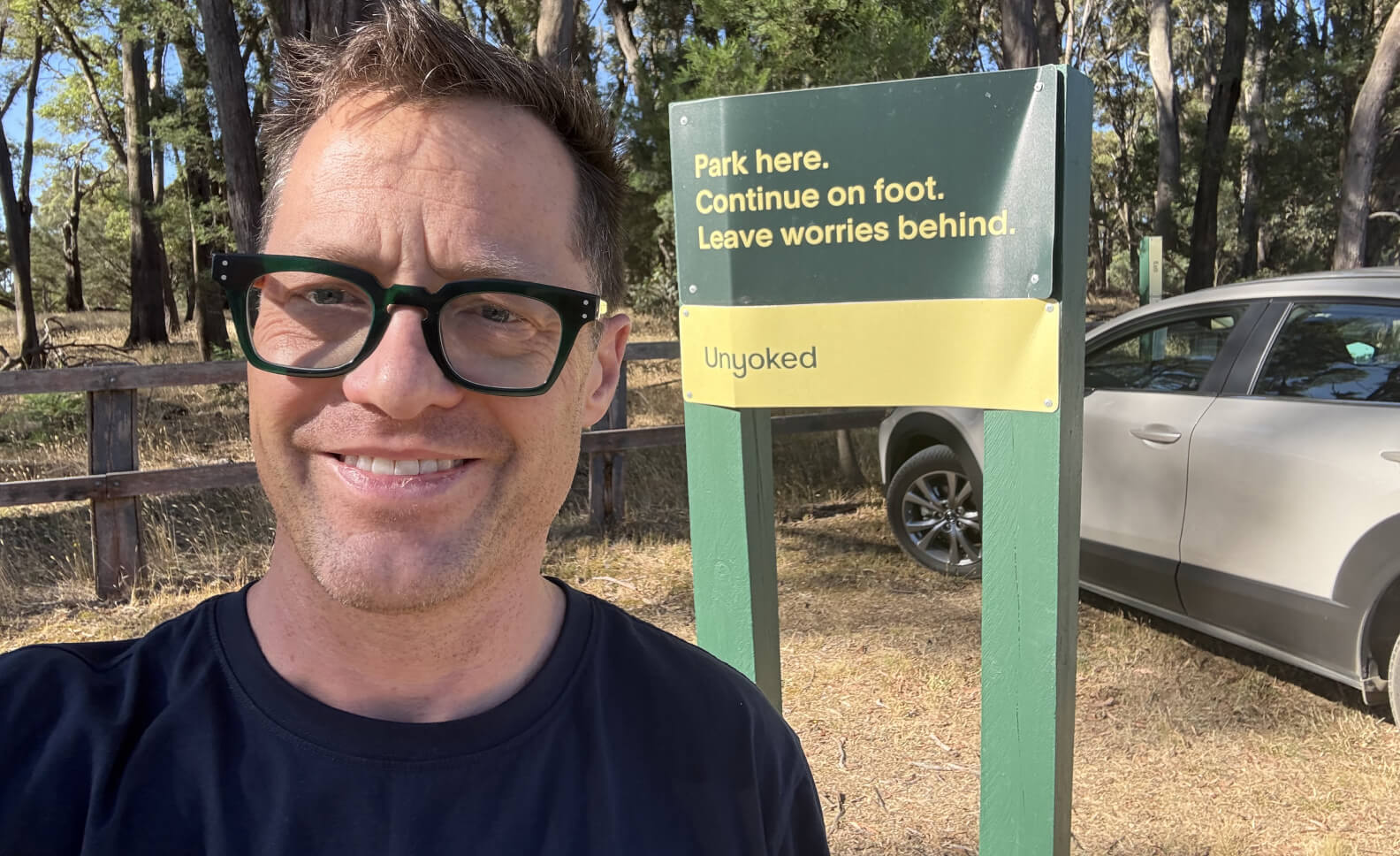
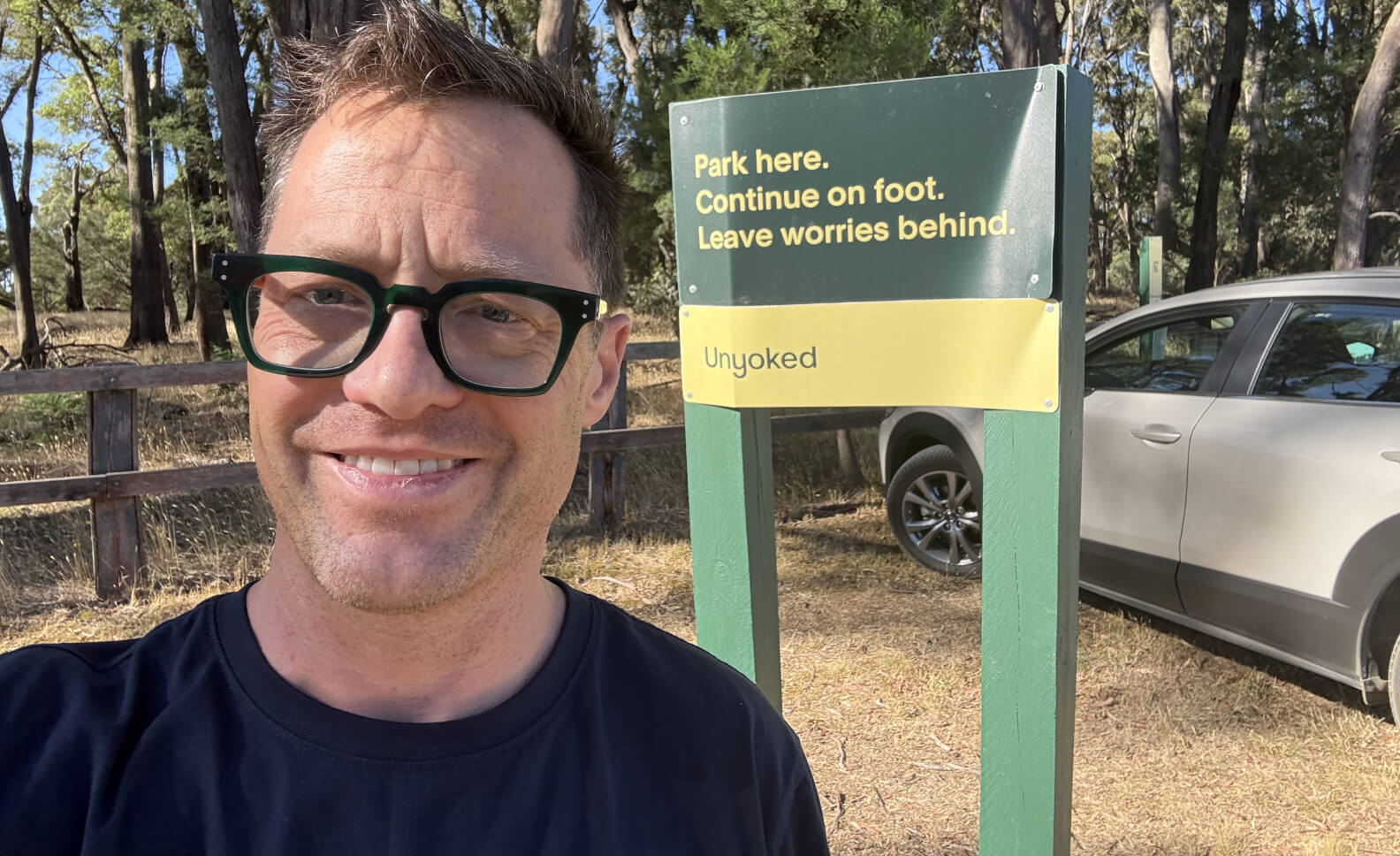
Brad has taken a few breaks at an Unyoked Cabin, an off-the-grid cabin in a remote area, both alone and with his daughter.
Quick little nature getaways that mean you’re completely disconnected are the best. And I never finish a holiday without having booked your next one,” he admits.
Spending his working days at the helm of a Perth-based wealth management and financial planning firm is where Justin Gilmour belongs.
But when he’s on a break, he prefers to get in the car rather than a plane, driving to the regional area of Yallingup in the southwest of Western Australia in the Margaret River region.
He loves to slow down and enjoy warm, sunny days and gentle coastal breezes when relaxing. “The beaches in the south-west are world-class, offering pristine sands and crystal clear waters that rival any international destination. For me, there’s simply nowhere better to unwind and recharge than this spectacular corner of the country.”
His break is spent with his wife and kids, but he admits half of Perth heads up to Yallingup as well.
“We’re always bumping into people (and even clients) that we know. But spending time in Yallingup allows me to slow down and enjoy the simple pleasure of life with my family.”
He prefers not to stay in touch with the office too much while he’s down there, using the time to reset and recharge, but does chat to clients when he bumps into them.
“I think it’s important to have that period of clear headspace and take a step back and look at the bigger picture, both in terms of my personal life and for the business. A daily swim is certainly a must when I’m down there.”
BNW Developments has established a Sydney presence, joining Arada and Sobha Realty among the growing number of UAE developers pursuing Australian buyers and development opportunities.
The Australian leather house has opened an immersive four-day pop-up in Manhattan, unveiling its Bloom Collection and redefining what a product launch can look like.
Related Stories
Lifestyle
SpaceX and Tesla Are Joined at the Hip. A Merger Would Make It Formal.
By Becky Peterson and Corrie Driebusch 22/10/2026
Lifestyle
Nurses Are in High Demand—but They’re Quitting in Droves
By 20/10/2026
Lifestyle
How Lego Is Getting More Adults to Tinker With Their Toy Bricks
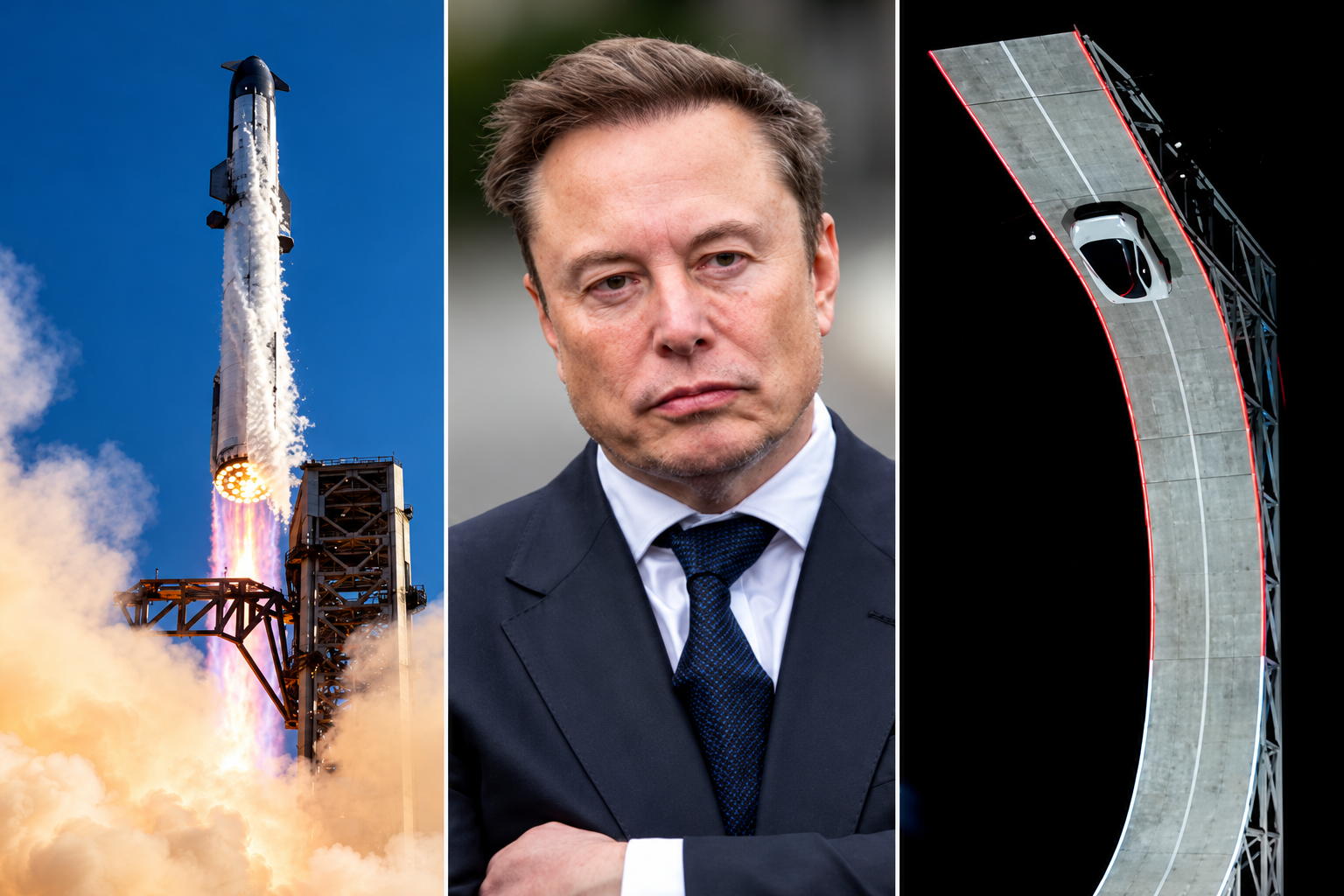
Elon Musk is exploring a potential merger between Tesla and SpaceX, a deal that could reshape the future of AI, robotics, autonomous vehicles and space technology. With a combined valuation potentially reaching $3.5 trillion, the move could bring Musk’s vision of an interconnected technology ecosystem closer to reality, although a deal remains uncertain.
Musk has run both Tesla and SpaceX concurrently over the past two decades, using a schedule that dictated which days he spent focused on each business.
The companies have often shared resources and personnel, signaling their close ties. Last year, SpaceX looked into creating a spacesuit for Tesla’s humanoid robot Optimus, a person familiar with the matter said. Tesla last week showed off its new Roadster, a vehicle featuring SpaceX rocket thrusters that it hopes to soon bring to market.
And in recent months, Musk has repositioned both companies by expanding beyond their core operations toward a shared mission centered on artificial intelligence.
The world’s richest man on Tuesday signaled his interest in tying up SpaceX and Tesla, marking what would be the biggest corporate merger of all time. Because he serves as chief executive of SpaceX and Tesla, Musk said committees of independent directors at both companies are evaluating a possible deal, adding that a transaction might not come to fruition.
The committees will likely evaluate, with lawyers and bankers, how each company would fare in a potential deal and how a deal might best be structured. They then present their conclusions to their respective boards, who typically vote on whether to proceed.
“It’s an odd Kabuki dance where two groups of people are talking and I can’t be in the conversation,” Musk told SpaceX investors on Tuesday in response to an analyst’s question about a potential deal.
For Musk, the merger supports his vision of a world full of autonomous cars, humanoid robots and weekly rocket launches, as well as the data centers and satellites required to keep the whole thing running.
Some investors and analysts said they expect a transaction would be structured as an all-stock deal, with SpaceX potentially paying a modest premium for Tesla shares.
SpaceX, which has a market value of about $2 trillion, said it is seeing sharp growth in revenue across its businesses, which include operating data centers, launching rockets and operating satellite networks such as the internet service Starlink. Tesla is valued at about $1.5 trillion and is expanding its operations beyond its automotive and energy business. Shares in both companies traded higher following the news Tuesday.
A test flight from the SpaceX launch complex in Starbase, Texas. Steve Nesius/Reuters
Musk’s substantial ownership stakes in both companies, along with voting control at SpaceX, has enabled him to set the deal in motion. Analysts and investors said the deal will probably face regulatory scrutiny internationally, though some see Musk’s close relationship with the Trump administration as an asset to getting approval.
Blurred lines
The companies haven’t said which directors are on the special committees evaluating a potential deal. Several SpaceX and Tesla board members have either personal or business ties to Musk. And like Musk, venture capitalist Ira Ehrenpreis sits on both boards.
In a filing this week, Tesla outlined millions of dollars in business agreements with SpaceX and its subsidiaries last year, including $143 million in car sales to SpaceX, $3.3 million in advertising that it bought on the social-media platform X and $430 million in revenue from the sale of Megapack batteries for SpaceX’s data centers.
The companies also split the cost of resources including the use of Musk’s SpaceX jet and the bill for his personal security, which he runs through a private company.
Employees at both companies routinely move between companies to work on special projects, and some executives have dual roles, including Charles Kuehmann, vice president of materials engineering at both SpaceX and Tesla, and Ashok Elluswamy, the vice president of AI software at Tesla who runs a joint venture with SpaceX called Digital Optimus.
Over the years, Musk has launched new startups within his empire, including brain-implant company Neuralink, underground-tunnel developer the Boring Company and xAI, the AI startup that merged with SpaceX in February.
It is that AI business that Musk thinks can serve a market worth tens of trillions of dollars, justifying the need for a merger.
The business case goes like this: Tesla is developing robotaxis and robots, which it calls “physical AI.” SpaceX is working on the back end of physical AI: the data-center capacity and internet connection required for those robotaxis and robots to operate continuously.
A Tesla Cybercab autonomous driverless vehicle and Optimus humanoid robots. Benjamin Girette/Bloomberg News
“I don’t see what the value of Tesla is if it’s not merged with SpaceX,” said investment adviser Ross Gerber, a former Tesla bull turned critic invested in both companies. “If they don’t merge, the brains of everything that runs Tesla is owned by another company.”
On top of it all, both companies face constraints on the supply chains they need to make this world a reality, particularly when it comes to chips. To address this, Musk earlier this year announced a joint venture between Tesla, SpaceX and Intel to design and manufacture chips in Texas. “The most epic chip-building exercise by far,” he has said.
Musk at the wheel
For Musk, a merger would also solve two problems: demands on his attention and his lack of control at Tesla.
Tesla for years was Musk’s only public company, a status that came with greater scrutiny. There, Musk reports to a public board, as well as individual investors who make up around 30% of Tesla’s voting power, according to FactSet.
The question of Musk’s attention became a particular focus for investors and the board in recent years after he acquired Twitter in 2022 and launched xAI in 2023, and again in 2025 as he spent time in Washington, D.C., running the Department of Government Efficiency in the early months of President Trump’s second term.
As Tesla’s car business suffered in 2025, Musk threatened to take his AI ambitions outside the company if he wasn’t granted 25% voting control. Last November, Tesla shareholders approved a new pay package for Musk, which created a path for him to vastly expand his stake.
As of Sept. 30, Musk owned a roughly 20% stake in Tesla, according to the company’s proxy filing.
The SpaceX IPO gave Musk a different path. When SpaceX went public in June, the deal’s structure enabled him to have more than 80% voting power at the company—so much that he can’t be fired and decisions can’t be made without his support.


 5 min
5 min