LAS VEGAS—Few places vacuum money from you like this glittering gambling and entertainment playground. That’s true for the visitors in town for Sunday’s Super Bowl —official motto: Excessive Celebration Encouraged. And it’s true for visitors any time, with the $US200 seats at the pool and the $US800 bottle service at nightclubs. All before you step onto the casino floor. You can fly here for as little as $US50 if you play your cards right. But people come to Vegas to spend, and the businesses here know it. This place hits travelers with potential upgrades every few steps. So I flew in for an experiment, a real-life version of the Jim Carrey comedy “Yes Man” (or “Yes Day” if you’re a Jennifer Garner fan). I said yes to every upgrade and VIP package to see just how much you get for your money, and what can be skipped. I had parameters. The $US3,999 helicopter ride to the top of Valley of Fire State Park for yoga was out. As was the $US4,000-a-night upgrade offer to a three-bedroom presidential suite at my hotel. Still, I cut lines, got a massage in the reserved seats at the Aria sportsbook during an NFL wild-card game, relaxed in a private lounge before a show at the Sphere , and drank a French 75 from a prime window seat at the Eiffel Tower Restaurant. In all, I spent $US976 to upgrade my Vegas visit. Was every upcharge worth it? Absolutely not. But a few are worth your money.
Yes, yes and yes
The offers began minutes after I booked a room for two nights at the luxury all-suite Palazzo resort. The price: $US480 before taxes and fees for two nights, a relative bargain on a holiday weekend in January. How much for a room booked last-minute for Super Bowl weekend? $US1,700 a night. I landed two upgrades after an email prompt gauged my interest: $US75 for early check-in and $US57 a night for a city view, the cheapest room category upgrade. Early check-in fees irk me , but this was worth it after my early flight. I was in the room by 11 a.m. The room was swank. The view of Treasure Island and the Mirage was nothing special.
A city view room at the Palazzo resort, where travel columnist Dawn Gilbertson paid an extra $US57 a night plus taxes to upgrade the view. PHOTO: DAWN GILBERTSON/THE WALL STREET JOURNAL
I headed to Area15, an arts and entertainment complex. First stop: Meow Wolf ’s Omega Mart, a popular immersive art experience that takes visitors into a bizarro grocery store that links to an alternate dimension. Admission is $US54; upgrading to a $99 VIP package promised to “enhance my experience” but bought me a souvenir pin, VIP lanyard, a cocktail and a 15% discount I didn’t use at the gift shop. Maybe the good stuff comes with the $US129 scavenger hunt package. (As I perused products like cans of faux La Croix in mashed-potato flavour and wandered a dizzying hall of mirrors, I wondered how many visitors upgraded with a trip to a local dispensary beforehand.) Admission to stroll around the rest of Area15 is free, but I upgraded to a $US35 pass, which included five attractions, the best of which was the outdoor Liftoff ride with great views of the Strip.
Cutting lines for crab legs
Many resorts here gave up the buffet business for good during the pandemic . The Wicked Spoon buffet at the Cosmopolitan of Las Vegas still packs them in. Saturday brunch had an hour-long wait during my visit. VIP line to the rescue! $US35 gets you a head start on the $US62 all-you-can-eat feast of snow crab legs, sushi and slow-roasted strip loin. The best part: The manager overseeing the line comped the fee because she said she enjoyed talking to me and a friend while we waited. (I never identify myself to employees as a Wall Street Journal reporter on these types of assignments.) Suddenly playing with house money, I sprang for the unlimited mimosa package for $US33 after tax and tip, to go with the brunch base price. There is a 90-minute limit, but I had places to be.
One movie, $US245
My colleague Jason Gay calls the Sphere, the giant orb that sits behind the Venetian, a “beach ball peaking on acid.” He paid $US539 to see U2 at the new venue. In the biggest single splurge on my trip, I paid $US245 to see a 50-minute movie there. The Director’s Seat package promised VIP entry, preshow lounge access with free beer, wine and snacks and a souvenir Sphere T-shirt. The VIP entry was the best perk, letting me skip the clogged Regular Joe lines. I was one of the first people in the atrium, where a humanoid robot named Aura chatted with me and a couple from Arkansas who also took the VIP plunge. The robot asked them the secret to their 55-year marriage. We met again in the nearly empty lounge before the Darren Aronofsky show “Postcard From Earth.”
Delta Sky Club this ain’t: The small food spread included soft pretzels with cheese and mustard. The bartender did dig out a great local IPA, Atomic Duck, and pointed me to the popcorn that VIP guests could take into the movie. The package promises premium seating for the show, a trip around the globe in which seats rattled when elephants or a jumbo jet rumbled across the giant screen.
My seat was good, albeit one row up and an aisle over from my friends who paid $US79 for their standard tickets. The final Yes Day in Vegas is a spendy blur: $US190 to watch the Lions and Rams duke it out in an NFL playoff nail-biter from a high-top table with food and alcohol included in a roped-off section at Aria Resort & Casino. The rest of the sportsbook was standing room only.
Then there was the $US40-a-person fee for the window seat at the Eiffel Tower Restaurant overlooking the dancing Bellagio fountains. The couple celebrating their anniversary one table back couldn’t believe I paid the fee. I left Vegas a little spoiled and out of sorts. When Southwest Airlines offered a $US50 upgrade to jump to the front of its boarding line on my flight home, I clicked buy. Can’t wait to explain that one to the folks in Expense Accounting.
Luxury residential rents remained strong globally in 2023, outperforming capital values in 28 of the 30 cities tracked in the Savills World Cities Index, according to a report from the British real estate company on Wednesday.
On average, luxury rents increased by 5.1% last year, compared to the average home price growth of 2.2%.
“In the face of economic uncertainty, the prime residential rental market proved resilient in 2023,” said Kelcie Sellers, associate at Savills World Research. “Continuing a trend from the past year, prime rental value growth outpaced capital values, largely driven by a lack of stock in global prime markets and increased levels of demand from individuals and families who would look to purchase a property, but are holding off until the economic and interest rate situations stabilise.”
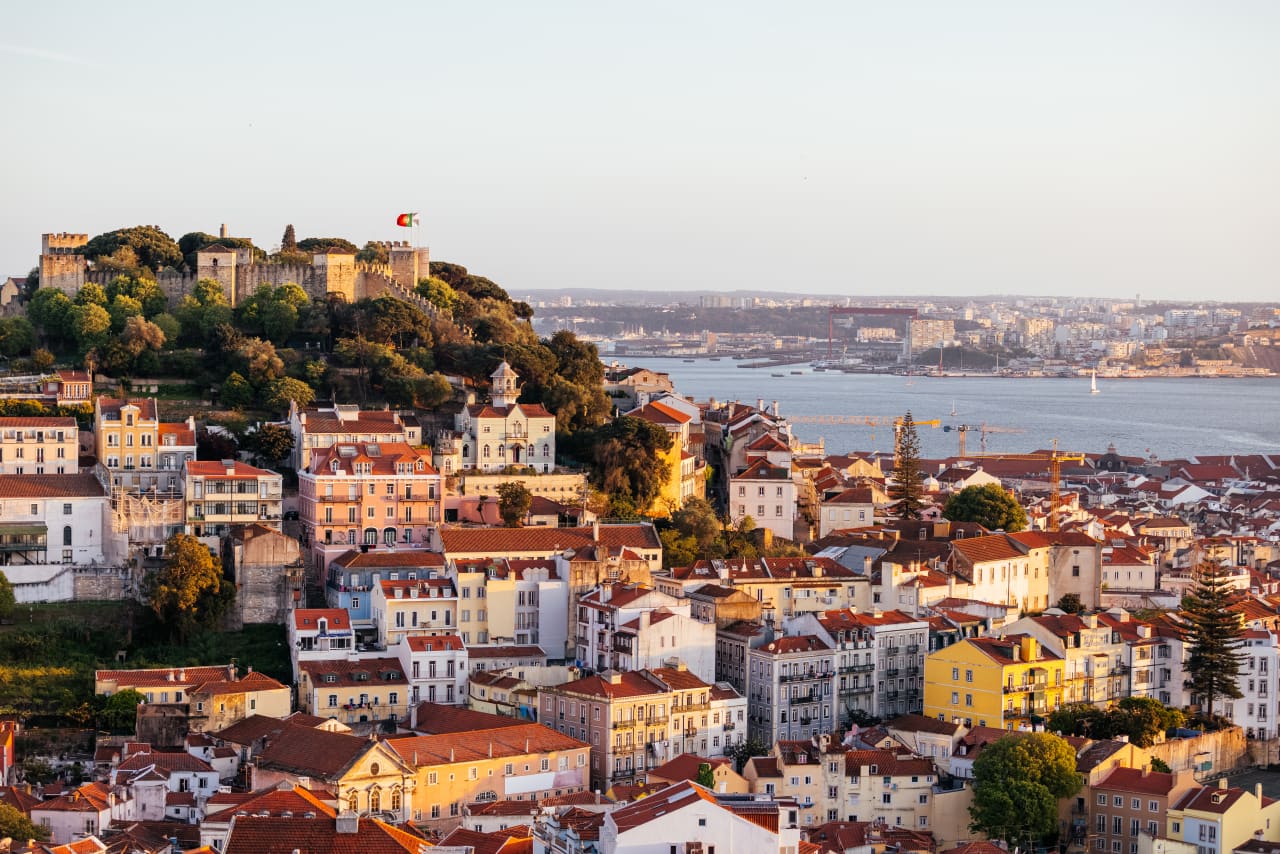
Lisbon was by far the leader in rental growth, with luxury rents increasing by an average of 39% over the year and by 22% in just the second half of 2023, according to the report.
“Lisbon has seen an influx of people moving to the city, attracted to its climate, the quality of life on offer and strong business environment. But some have been more reluctant to enter the purchase market in Lisbon due to rising house prices and increasing interest rates,” Sellers said. “While the supply of houses in the rental market has not kept pace with demand, leading to a rise in rental prices throughout Portugal, it remains comparatively priced compared to other rental markets in Europe and will likely continue to attract new renters and investors over the coming year.”
Singapore led the Asia-Pacific region, with its rental growth at 12.3%, though that was down from 32.3% in 2022. Hong Kong also saw luxury rents increase, jumping by 5.9%, as high deposit requirements, increased interest rates and an influx of buyers from Mainland China drove would-be buyers to the rental market, according to Savills.
As for the year ahead, a slight increase in luxury rents is expected across the 30 global cities, though the price growth may be less than usual.
“Looking at the year ahead, prime rental prices are forecast to record a slight increase for the 30 cities covered in the World Cities index, as would-be prime buyers continue to turn to rental markets, but this growth will likely remain below the historic average,” Sellers said.
Savills predicts that Amsterdam will lead this year’s rental growth index, with a forecasted increase of 6% to 7.9%, as the city has seen a spike in demand in tandem with limited supply and increased regulations on the private rented sector.
Would work be better if we all took a collective coffee break?
Workers in Sweden certainly think so. There, work life has long revolved around fika, a once- or twice-a-day ritual in which colleagues put away phones, laptops and any shoptalk to commune over coffee, pastries or other snacks. Swedish employees and their managers say the cultural tradition helps drive employee well-being, productivity and innovation by clearing the mind and fostering togetherness.
Now, as bosses and workers elsewhere try to reinvigorate office life and flagging job satisfaction, fika fascination is seeping into other workplaces.
The Grand, a New York-based career and leadership coaching platform, summons its all-remote staff of 10 every other Friday for coffee and conversation over Zoom. London-based Hubble, a website for finding flexible workspaces, took up the tradition after being introduced to it by a Swedish staff member.
“Everyone has an excuse to log off and let their hair down,” said Tushar Agarwal, chief executive of Hubble, where staff gather the last Thursday of every month for baked goods, chitchat and, of course, coffee.
A recent product offering—for part-time office space with new contract terms—sprang from a discussion that took place during fika, says chief of staff Charlie Bastier. It’s now one of the fastest-growing revenue streams, he says.
Not a Starbucks run
The pressure to make tweaks to the daily ritual is particularly acute in the U.S. Employees continue to report feeling less engaged in their jobs than in pre pandemic times, Gallup data show.
In addition, bonding with colleagues has become harder and less of a priority for many people in the hybrid world of work. Some employers worry the lack of social cohesion is harming company culture and operations.
At The Grand’s regular fika, staffers take turns hosting, leading with casual conversation or a board game such as Code Names or a drawing competition. The Grand’s co-founder Rei Wang says that fika allows her to spend time with her staff, making her a better leader.
“Learning more about their passions and their geniuses helps me understand and collaborate with them,” she says.
Pronounced “fee-kah,” the Swedish culture of breaking for coffee involves much more than a schlep to Starbucks. It’s meant to be a deliberate pause to provide space and time for people to connect. Many Swedish companies build a mandatory fika into the workday, while the Embassy of Sweden in Washington holds one for staff weekly. IKEA, promoting its Upphetta coffee maker on the corporate website, extols the virtues of fika: “When we disconnect for a short period, our productivity increases significantly.”
“Fika is where we talk life, we talk everything but work itself,” said Micael Dahlen, professor of well-being, welfare and happiness at the Stockholm School of Economics. The ritual helps drive trivsel, he says, a term that means a combination of workplace enjoyment and thriving. The concept is so fundamental to Swedish workplaces that many companies in Sweden have trivselcommittees, he said.
Dahlen said he suspects a pandemic-era drop in office fikas contributed to a sharp decline in Swedes’ happiness at work. Just over half of workers in Sweden reported a high level of job satisfaction in 2022, according to Eurostat, compared with 69.5% in 2017.
A productivity booster
There’s some evidence that communal coffee breaks help boost productivity. In a study of call-centre workers at Bank of America, researchers at the Massachusetts Institute of Technology found that teams that scheduled 15-minute breaks together were 18% more communicative with one another through the workday than groups with staggered breaks.
Annual turnover, likewise, was 12% among teams that held collective coffee breaks versus 40% among other workers. In all, the teamwork fostered via the breaks led to an estimated $15 million in increased annual productivity, says lead researcher Ben Waber.
“People who are in a tight knit social group have higher levels of trust,” said Waber, who has since founded a behavioural analytics company called Humanyze.
Hubble employees take turns baking and get a stipend of about $20 for supplies for the company’s monthly fikas. Last week, 26 staff members gathered in a communal area away from desks and cubicles.
Kate Mehigan, an account manager, brought in homemade arancini balls and Eliot Dixon, an account team lead, laid out a Basque cheesecake from a recipe he’d found online. Some people played ping pong.
Fleur Sylvester, a Hubble account executive, used the time to quiz a colleague on training advice for running a half-marathon. Sylvester says when she joined the company over a year ago the gatherings were invaluable for helping put faces to names.
“You get an opportunity to speak to other team members that you don’t get to talk to on a day-to-day basis,” Sylvester said. “When you’re online you don’t get the opportunity to have those chats.”
Peter Linder, head of thought leadership in North America for Swedish telecom giant Ericsson, recently introduced the fika concept to Jason Inskeep, senior director at management consulting company Slalom. The two men had initially met on a joint panel discussion, and Linder wanted to congratulate Inskeep on his new job at Slalom. He sent Inskeep a Zoom invite for a 20-minute fika one-on-one.
“I didn’t know what it was,” Inskeep said.
The vibe of the midmorning conversation—which meandered from the future of artificial intelligence to Inskeep’s own feelings navigating a new company culture—was different from the usual business tête-à-têtehe said. Bouncing ideas back and forth in a relaxed way left him feeling energized the rest of the morning.
“It was a mix of coffee shop and barber shop,” he said.
With London luxury real-estate prices on the slide and a collapse in high-end deal volume, it has been a tough year for prime central London real estate. But the prime rental market is thriving. People in need of a London base are increasingly opting to take the flexible, minimal-commitment housing option rather than buying, and paying Britain’s high taxes, in a stalled market. As a result, prime rents are escalating.
House price analyst LonRes found that average prime rents in London increased 3.5% between December 2022 and December 2023. Average prime rents are now 29% above pre pandemic levels notched during the period of 2017 to 2019. Separate research from estate agent Beauchamp Estates found that 63 London homes were rented out for $6,370 or more per week—about $330,000 per year—between January and June 2023.
Buying agent Liam Monaghan, managing director of London Central Portfolio, said many of his prime tenants live a global, itinerant lifestyle. They include soccer players, actors and film producers and tech entrepreneurs.
“They can obviously afford to buy these properties, but perhaps they are on a short-term contract or are growing a business and have got a lot of wealth quite quickly and are jumping between lots of different countries and are still working out where they want to live,” said Monaghan.
Nina McDowall, head of lettings at estate agent Strutt & Parker’s office in Knightsbridge, one of London’s most expensive neighbourhoods, said many of her renters are considering buying a London property but only when they find the perfect home at a great price.
“There are a lot of people who are weighing up their options,” she said. “They might also be sitting tight to see if prices slide further.”
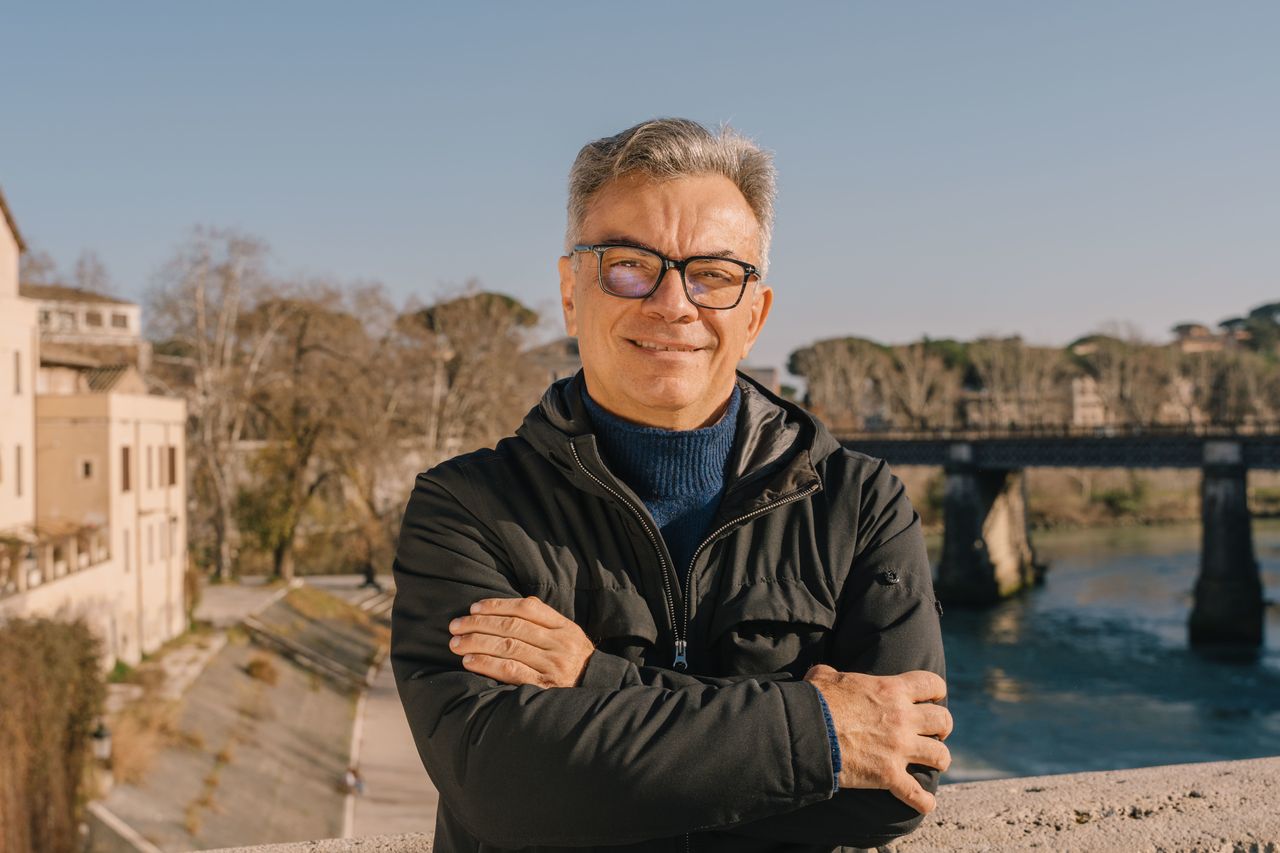
Others, such as Antonio Volpin, simply don’t see London property as a great investment opportunity. Volpin, who is Italian, moved to London for work in 2011, initially living out of hotels. When his wife and two sons joined him in London in 2012, the family started renting.
The Georgian exterior of a rental property in Mayfair that is renting for $37,900 per week. PHOTO: CHESTERTONS
“We mulled the idea of buying a property, because the market was very strong, but I thought it could not grow forever, and with my work I am not sure where I will be next year,” said Volpin, 61, a consultant for asset and fund management firms.
The family’s decision to continue renting proved prescient, because prime central London’s house prices have stagnated for almost a decade. According to LonRes, average sale prices in prime central London increased by just 2.3% between 2013 and 2023 (from $2,130 per square foot to $2,180 per square foot). In 2016, Volpin’s job took him to Singapore, and now he and his university professor wife are based in Rome. Their two sons, aged 26 and 22, opted to remain in London so their parents, who visit regularly, have continued to rent a three-bedroom, three-level, apartment in the affluent, historic neighbourhood of South Kensington, 2 miles west of the city centre.
Antonio Volpin has been renting in central London since 2012 and considers it a more flexible option than buying. PHOTO: OLGA PODPORINA FOR THE WALL STREET JOURNAL
Volpin has signed a nondisclosure agreement prohibiting him from revealing his monthly rental costs, but a spokeswoman for his estate agent, Winkworth, said that a similar property would cost up to $191,000 per year.
“Certainly with that money I could buy, but the point is that at the moment it is more of a kind of holiday home,” Volpin said. “When I come, I want to be close to downtown and to the friends I made while living in London.”
McDowell believes that the reason top-end rental prices have accelerated while home sale prices are falling is simple: Demand for these types of rentals is high and there is a serious undersupply of high-specification, turnkey properties.
“They are as rare as hen’s teeth,” she said. “Super-prime tenants will not sacrifice or compromise on many things. The condition and functionality of the property has to be slick and beautiful, and they will pay big prices, or pay one or two years in advance, to secure the right property.”
But while rents are rising, prime-central London landlords still have to work hard to attract high-paying tenants who expect five-star standards.
“I have had people who want walls to be ripped out or massive extension work,” said Sinead Conlon, head of corporate and relocation services at John D Wood & Co. estate agents. “Some of them want interior-design furniture packages costing about $32,000 to $127,000 per month. They are all looking for an add-on.”
In one memorable case, Conlon was able to rent a substantial house in the north London suburb of Primrose Hill to a tenant who wanted the toilets in the bathrooms, 17 of them, to be replaced with Japanese models with built-in bidets. The tenant, who paid around $70,000 per month to rent the house for a year starting in 2021, eventually settled for just 10 new toilets to be fitted.
“But they are around £25,000 [$32,000] a pop, so it was not exactly cheap,” said Conlon.
Another problem facing landlords is dwindling profit margins. Interest rates have jumped and, since 2020, landlords cannot deduct mortgage interest from their tax bills, said Becky Fatemi, executive partner of Sotheby’s Realty UK. The administration of renting a property is also not cheap. Fatemi said landlords should expect to pay their estate agent between 8% and 15% of the annual rent to find and install a tenant. Management fees, if required, add another 5% to the cost.
Vickram Mirchandani currently owns and rents out two prime London properties. He is painfully aware how hard it is to turn a decent profit even in a hot rental market. Mirchandani, 46, who is British, bought a five-bedroom family home in the upscale neighbourhood of Belgravia, about 10 years ago. They lived in the home full time, but he and his wife became increasingly disillusioned with life in Britain and left London in October, then moved to Dubai with their young family in January—they have one child and are expecting a second.
Vickram Mirchandani & his wife CREDIT:Vickram Mirchandani
Mirchandani has decided against trying to sell the property until London’s property market has revived. In October 2023, tenants moved into the 4,200-square-foot townhouse, paying just under $8,900 per month in rent.
“It was gone within a week, on the second viewing, for the asking price,” said Mirchandani, a renewable-energy developer. “In hindsight, I could probably have got a little bit more.”
Mirchandani also owns a second property, a three-bedroom penthouse in Belgravia, which he had originally hoped to flip. “The plan was to purchase it, develop it, and sell it at a handsome margin,” he said. “But after Brexit that handsome margin never materialised.”
The apartment is also rented out, fetching $11,500 per month. “I actually got over asking price for that one because the tenant has a dog and I said, ‘Fine, but that will be an extra 10%,’ ” said Mirchandani. “I am very happy with the prices achieved.”
He is less happy with the yields his capital is earning. He estimates that after costs, including income tax, he is earning around 1.5% to 2%. England’s major banks are currently offering interest rates of around 4% to 5%. Longer term, Mirchandani is still weighing his options. “I could keep them in the hope that someday some miracle will happen and they will go up, but if we like it in Dubai we will probably sell the properties,” he said.
Canada’s government has extended through the end of 2026 a controversial ban on foreign home buyers that took effect last January after years of debate.
“For years, foreign money has been coming into Canada to buy up residential real estate, increasing housing affordability concerns in cities across the country, and particularly in major urban centres,” Chrystia Freeland, Canada’s deputy prime minister and minister of finance, said in a news release yesterday. “Foreign ownership has also fuelled worries about Canadians being priced out of housing markets in cities and towns across the country.”
The Prohibition on the Purchase of Residential Property by Non-Canadians Act forbids non-citizens from buying residential property in most urban areas, though it includes a long list of exceptions. Property in many rural and “recreational” regions is exempt; most students, refugees, permanent residents, spouses of Canadian citizens, and some temporary workers in Canada may still buy homes.
While the government says the ban will help ease Canada’s severe housing crunch, critics in the real estate industry counter that the prohibition is misguided―and ineffective.
“The newly announced two-year extension is completely unnecessary, considering the fact there is no analysis, evidence or data from Statistics Canada, CMHC [Canada Mortgage and Housing Corporation] or Finance Canada, to support the government’s intended impact on housing affordability in Canada,” said Janice Myers, CEO of the Canadian Real Estate Association (CREA), in a statement Monday. “If the government decides to move forward with this baseless extension, CREA urges them to consider recommendations including exempting pre-construction financing, defining and exempting recreational property, including CUSMA [Canada-United States-Mexico Agreement] exemptions, and giving provinces input to tailor to their housing market requirements,” she added.
Don Kottick, the president and CEO of Sotheby’s International Realty Canada, agreed.
“Canada’s housing market has been driven almost entirely by the housing needs and demands of locals, as well as by population gains due to in-migration of Canadians from other cities, and through immigration,” he told Mansion Global in an email. “The extension of the foreign buyers ban will continue to have little or no impact on housing affordability and housing prices. This policy has only confused and frustrated those from other countries with crucial skills, talent and capital that Canada has been striving to attract and retain.”
The ban has also chilled luxury home sales in key markets like Toronto, said Maureen O’Neill, manager of Sotheby’s International Realty Canada in Toronto. “People who want to sell houses for more than C$5 million [US$3.92 million] can no longer rely on the buyers they used to count on globally,” she said. “It’s another extra burden on selling a house.”
That burden may soon get even heavier; Toronto’s mayor last week endorsed a 10% tax on foreign home buyers in that city, Canada’s largest. The province of Ontario already imposes its own 25% “non-resident speculation tax” on foreign buyers.
Though Canadian data on non-resident buyers is limited, the CBC last year reported that in British Columbia―one of the nation’s hottest housing markets―only about 1.1% of transactions in 2021 involved a foreign buyer, a drop of 3% in 2017. At the time, Ontario’s government told the CBC it had seen “a downward trend” in foreigners buying property since it began taxing non-resident purchases in 2017.
In a transaction that further cements NBA Hall of Famer Michael Jordan’s standing atop the world of sports memorabilia, Sotheby’s New York sold six Air Jordan sneakers earlier Friday for the whopping total of US$8 million.
Dubbed the Dynasty Collection, the set of six shoes were sold to an anonymous buyer who was in the room during the bidding, according to the auction house. Sotheby’s had publicised the sale with a far-reaching tour, displaying the sneakers around the world while estimating that the set would sell for between US$7 million and US$10 million.
“To have something from one of Jordan’s championship clinching games is a goal for every collector of sports artifacts. To have something from all six is unheard of,” says Brahm Wachter, Sotheby’s head of modern collectables. “We are thrilled with the result which is a testament to the greatest to ever play the game.”
The Dynasty Collection earned headlining status for the second edition of Sotheby’s “The One,” a cross-category sale that features an eclectic range of notable objects representing human achievement and excellence.
Michael Jordan of the Chicago Bulls shoots the winning jump shot with 5.2 seconds left during game six of the NBA Finals against the Utah Jazz in Salt Lake City in June, 1998. The Bulls won 87-86 for their sixth NBA championship. AFP via Getty Images
As the hammer fell, the final price tag set a new global benchmark for game-worn sneakers while becoming the second-highest price achieved for any Jordan memorabilia, just behind Jordan’s 1998 NBA Finals Game 1 jersey from the famed “Last Dance” season, which achieved US$10.1 million at Sotheby’s in September 2022 and still holds the world record for any game-worn sports memorabilia.
The auctioneer also holds the record for any pair of sneakers, with Jordan’s 1998 NBA Finals Game 2 Air Jordan 13s having earned $2.2 million in April 2023.
Jordan, who turns 61 on Feb. 17, famously handed off one of his size-13 and 13.5 shoes—an Air Jordan VI (1991), Air Jordan VII (1992), Air Jordan VIII (1993), Air Jordan XI (1996), Air Jordan XII (1997), and Air Jordan XIV (1998)—after each championship-deciding victory to Bulls PR exec Tim Hallam.
The sneakers were later obtained from Hallam by a private American collector, who ultimately enlisted Sotheby’s for the sale. Initially announced nearly a year ago, the collection has captured the attention of sports fans and hobbyists alike.
“Today’s record-breaking price is a testament to the GOAT. The Dynasty Collection undeniably ranks among the most significant compilations of sports memorabilia in history,” Wachter said in a statement announcing the result.
“Serving as both a reminder of Michael Jordan’s lasting impact on the world and a tangible expression of his recognised legendary status, its significance is further validated by this monumental result.
One other piece of Jordan memorabilia was included in the auction: the signed official scorekeeper’s sheet from the highest-scoring game of his career—a 69-point effort against the Cleveland Cavaliers on March 28, 1990. It sold for US$50,800.
Board members at Elon Musk’s electric-car maker, Tesla, were facing a dilemma.
One longtime director, the venture capitalist Steve Jurvetson, had left his firm after an internal investigation found he had slept with multiple women in the tech industry and used illegal drugs.
Some of the details had been splashed across the press in 2017, and Tesla directors informally discussed how they should handle it, according to people familiar with the situation. Some urged him to resign.
Luckily, Jurvetson, even though the company designated him an independent director, had a good friend with whom he had deep financial ties and also attended parties with, using ecstasy and LSD: Musk.
Musk pushed directors in private conversations to allow Jurvetson to take an unusual leave of absence from the board of the public company, and then step down on his own accord in 2020, the people said. Jurvetson remains a director at Musk’s privately held rocket company, SpaceX.
“The answer was do nothing and see what happens,” said another former independent Tesla director and good friend of Musk’s, Antonio Gracias, in a 2021 court deposition, when asked how the board handled the Jurvetson situation. Gracias and his venture-capital firm held investments recently valued at about $1.5 billion in Musk companies.
Multiple other directors of Musk companies have deep personal and financial ties to the billionaire entrepreneur, and have profited enormously from the relationship. The connections are an extreme blurring of friendship and fortune and raise questions among some shareholders about the independence of the board members charged with overseeing the chief executive. Such conflicts could run afoul of the loose rules governing what qualifies as independence at publicly traded companies.
On Tuesday, a Delaware judge struck down Musk’s multibillion-dollar pay package at Tesla, saying board members who signed off on it in 2018 were beholden to Musk.
Several current or former directors at Tesla and SpaceX attend parties with him, go on exotic vacations and hang out at Burning Man, the Nevada arts and music festival.
Musk and these directors, including venture capitalists Gracias and Ira Ehrenpreis, tech mogul Larry Ellison, former media executive James Murdoch, as well as Musk’s brother, Kimbal Musk, have invested tens of millions of dollars in each other’s companies—Ellison held billions of dollars in Tesla shares with about a 1.5% holding in 2022. Some also received career support and help from Elon Musk.
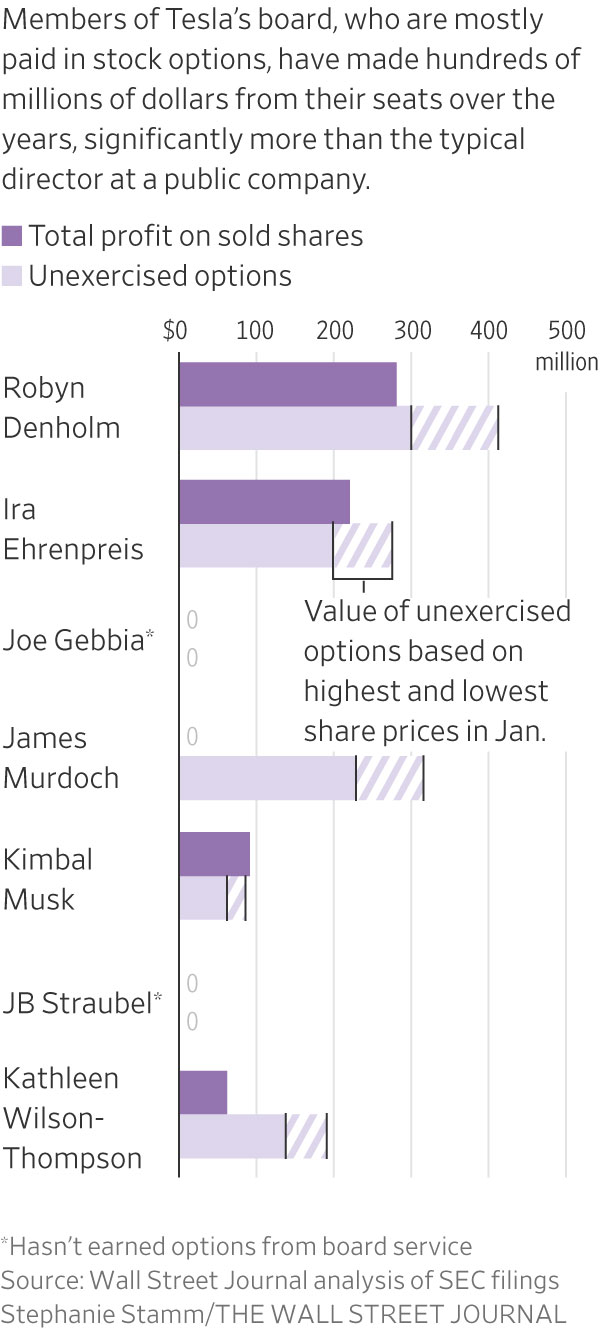
Most members of Tesla’s current eight-person board have amassed shares worth hundreds of millions of dollars from their seats over the years, significantly more than what board members at other companies make for their service.
Tesla pays its directors mostly in stock options, and the current board, not including Musk himself, collectively has made more than $650 million selling shares from those options. They hold additional options valued at nearly $1 billion. Some directors agreed to return a portion of that compensation to Tesla to resolve a shareholder lawsuit about their compensation while denying any wrongdoing. A judge has yet to approve the settlement.
Some current and former Tesla and SpaceX directors have knowledge of Musk’s illegal drug use but haven’t taken public action, according to people who have witnessed the drug use or were briefed on it.
The Wall Street Journal reported in January that Musk has used drugs including cocaine, ecstasy, LSD and magic mushrooms, and that leaders at Tesla and SpaceX were concerned about it, particularly his recreational use of ketamine, for which Musk has said he has a prescription. The illegal drugs violate strict anti drug policies at Musk’s companies and could put SpaceX’s federal contracts and Musk’s security clearance at risk.
At the upscale Austin Proper Hotel, Musk has attended social gatherings in recent years with Tesla board member Joe Gebbia, the Airbnb co-founder and a friend of his, where Musk took ketamine recreationally through a nasal spray bottle multiple times, according to people familiar with the drug use and the parties.
Other directors, Gracias, Jurvetson and Kimbal Musk, have consumed drugs with him, according to people who have witnessed the drug use and others with knowledge of it.
Musk and some people close to him, including Kimbal Musk, attend parties at Hotel El Ganzo, a boutique hotel in San José del Cabo, Mexico, known for its art and music scene as well as drug-fuelled events, according to people familiar with the parties.
The volume of drug use by Musk and with board members has become concerning, some of these people said.
In the culture Musk has created around him, some friends, including directors, feel there is an expectation to consume drugs with him because they think refraining could upset the billionaire, who has made them a lot of money, some of the people said. More so, they don’t want to risk losing the social capital that comes from being close to Musk, which for some feels akin to having proximity to a king.
Musk and his lawyer, Alex Spiro, didn’t respond to requests for comment.
In response to the Journal article in January about Musk’s illegal drug use, Spiro said Musk is “regularly and randomly drug tested at SpaceX and has never failed a test.”
After that article, Musk tweeted that in three years of undergoing random drug testing after a pot-smoking incident in 2018, “Not even trace quantities were found of any drugs or alcohol. @WSJ is not fit to line a parrot cage for bird [poop emoji].” He later tweeted: “If drugs actually helped improve my net productivity over time, I would definitely take them!”
Tesla’s general counsel and a SpaceX spokesman didn’t respond to requests for comment.
Ellison offer
Some board members worry about the negative effects of Musk’s behaviour on the six companies he oversees and the roughly $800 billion in assets held by investors, according to people close to Musk.
Despite the concerns, the Tesla board hasn’t investigated his drug use or recorded their worries into official board minutes, which could become public.
Around the winter of 2022, Musk’s good friend and former Tesla board member, Ellison, urged him to come to his Hawaiian island to relax from work and dry out from the drugs, according to people familiar with the offer.
The outreach came as friends and others close to Musk worried that his drug use was getting worse, and some asked him to go to rehab, some of the people said.
Around the same time as the Ellison offer, Musk attended a party in the Hollywood Hills where he consumed a liquid form of ecstasy from a water bottle, according to a person who was there. Musk’s security guards asked people to leave the floor of the house for privacy before Musk took the drug.
Across Silicon Valley, executives sometimes invest in each others’ companies and ventures, and might have one or two personal friendships on a company board, especially before it goes public.
Musk, because of the extent of his personal and professional board ties and the enormous amount of money involved, is the most prominent example of a chief executive who is intertwined with directors. The Journal traced connections by reviewing hundreds of pages of court documents and depositions, Securities and Exchange Commission filings and other public records.
The amount Tesla pays its directors is far more than the average compensation for boards at most U.S. companies. The average total compensation for board members in the largest 200 U.S. companies was $329,351 in 2023, according to a new report from the National Association of Corporate Directors and compensation consultant Pearl Meyer. By comparison, current Alphabet board members hold stock valued at about $8 million, and received an average annual compensation for board service of about $475,000 since 2015.
Beyond board pay, some Tesla and SpaceX directors have tens of millions of dollars in additional investments in Musk’s companies, including his brain implant startup, Neuralink, and his tunnelling venture, The Boring Co.
Musk, in turn, invests in some directors’ companies. Board members also have invested in Kimbal Musk’s Kitchen Restaurant Group and in SolarCity, a company run by Musk’s cousins that was acquired by Tesla.
Governance experts, such as longtime board members and advisers to boards, say the personal and financial ties could muddy directors’ views, and that it is highly unusual at U.S. public companies.
According to the rules of Nasdaq, where Tesla trades, an independent director can’t be an employee, a family member or someone whose relationship “would interfere with the exercise of independent judgment.” Nasdaq requires a majority independent board.
While rules governing independent directors across the country are murky, financial entanglement is one area where courts have sometimes found public companies at fault for claiming directors’ independence while they hold investments tied to one another.
Amalgamated Bank, which managed around $180 million of investments in Tesla as of September, signed a shareholder letter last year asking Tesla board members to step up their “meagre oversight” of Musk.
The investors expressed concern that the close ties between Musk and several Tesla directors make the board ill-equipped to act in the best interest of shareholders.
CEO with leeway
Some directors view Musk as a once-in-a-generation genius, with a brilliant mind and unusual methods. In depositions and courtroom testimony, directors have said they think Musk’s leadership is crucial to both Tesla and SpaceX, and believe in his long-held mission to colonise Mars. He is seen as the soul of his companies and intertwined with their success. Tesla’s stock is up more than 300% in the past four years, but has dropped about 25% since the beginning of January.
When striking down Musk’s pay package on Tuesday, the Delaware Court of Chancery judge called the process for approving it “deeply flawed” and cited Musk’s “extensive ties” to some of the directors who negotiated it. A Tesla shareholder had sued, alleging Musk played too big a role in deciding his own pay.
Musk “enjoyed thick ties with the directors tasked with negotiating on behalf of Tesla, and dominated the process that led to board approval of his compensation plan,” wrote Chancellor Kathaleen McCormick in the opinion. She described board Chair Robyn Denholm’s approach to her oversight obligations as “lackadaisical.”
Tesla board members can appeal the decision to the Delaware Supreme Court. After the ruling, Musk posted on X saying, “Never incorporate your company in the state of Delaware” and said Tesla would hold a shareholder vote about incorporating in Texas.
Board members had signed off on the pay deal in 2018, with Tesla valuing it at a maximum of $55.8 billion. It was the biggest pay package ever to the chief executive of a U.S. public company, according to governance-data firm Equilar.
While negotiating the pay package, Musk emailed the company’s top lawyer explaining how he would use the additional compensation. “The added comp is just so that I can put as much as possible towards minimising existential risk by putting the money towards Mars,” Musk wrote. Ehrenpreis, a yearslong friend, was head of the board’s compensation committee.
Company directors frequently allowed Musk an unusual amount of leeway on issues big and small.
After he bought Twitter in 2022, for example, Musk tapped Tesla employees to review the social-media platform’s engineering talent. Also around that time, SpaceX signed off on an unusual $1 billion loan to its chief executive, the Journal has reported.
A 2018 settlement with the SEC, following Musk’s tweet about plans to take Tesla private, required Tesla to establish more controls and form a new committee of independent board members to oversee Musk’s communications. But according to court documents, Denholm said Musk “does self-regulate” compliance, and some directors said they don’t review his tweets.
Tesla disclosed in 2022 that it had received a subpoena from the SEC seeking information about how the company was complying with the settlement.
Musk’s freewheeling commentary on Twitter, now X, and in interviews has injected volatility into Tesla’s share price and affected his other companies. In 2020, Tesla’s stock closed down more than 7% for the day after Musk tweeted, “Tesla stock price is too high imo.” Last year, major companies stopped advertising on X after he described an antisemitic post on X as “the actual truth.”
Investors have for decades pressed for independent directors, especially at public companies, because it allows them to push back against management and closely monitor what is happening inside the business.
The sweeping set of rules known as Sarbanes-Oxley in 2002 mandated that public companies have independent directors, including on the audit committee. The rules came after the collapse of energy trading giant Enron, which later was found to have hidden its financials amid improper board oversight.
Stock exchanges generally spell out how they define independence on boards and other expectations. At private companies, there are no requirements for the number of independent directors, or what constitutes one. At Nasdaq, if a company doesn’t comply with its majority independent board rule, it gives the company one year or until its next shareholder meeting to make a change; if not, it may be delisted.
Questions about a public director’s independence have gone to the courts, with judges sometimes finding problems with deep financial ties.
The Delaware Supreme Court in 2016 ruled that the majority of video game developer Zynga’s board weren’t independent. Among the reasons was that a venture-capital firm two directors worked for had invested in a startup the CEO’s wife co-founded and that another director and her husband co-owned a private plane with the CEO.
Following the court’s decision, Zynga expanded its board and formed a special litigation committee to investigate insider trading allegations. Zynga settled the suit in 2019 for $11 million.
“To me, it’s really: Are you capable of making a disinterested, objective decision uninfluenced by the relationship?” said Lawrence Hamermesh, former director of the Widener Institute of Delaware Corporate and Business Law, who has also served as senior special counsel in the SEC’s corporate finance division.
Surrounded by friends
When Tesla was looking to replace a departing director, it turned to a familiar face in JB Straubel. The board believed the company’s former chief technology officer, whom Tesla considers a co-founder, was someone Musk would listen to, could fill Ellison’s shoes and had technical expertise, according to people with knowledge of the board’s thinking.
Last year, ahead of a vote to approve Straubel, some shareholders pushed back over his close ties to the company, saying if he were added to the board then at least five of the eight members would lack independence. Straubel was elected anyway. A Nasdaq spokesman said it doesn’t comment on specific companies and referred a Journal question on how Straubel can be classified as an independent director to Tesla.
Musk has long surrounded himself with close friends as he built his business empire. He has turned to them for advice on new business ventures and on daily operational help.
In addition to Musk on the Tesla board, his brother, Kimbal Musk, is a member. He previously served on the SpaceX board and has counseled Musk on numerous ventures, including whether to start OpenAI and Neuralink. He and Musk are also close personally, often attending the same events and parties.
Ehrenpreis, who chairs two of four committees on the Tesla board, is designated independent by the company and has been close to Musk for years.
The venture capitalist held the right to buy the first Tesla Model 3—which some covet for bragging rights. Around Musk’s 46th birthday in 2017, he gave it to Musk, tweeting, “Much love and respect for everything you do.”
Ehrenpreis has personally or through his venture-capital firm, DBL Partners, invested in many of Musk’s ventures, totalling about $70 million.
On the Tesla board, he has made more than $220 million on stock sales earned through board service and has additional options worth more than $200 million at recent prices.
James Murdoch, former chief executive of 21st Century Fox, also is classified independent by Tesla. His friendship with Musk dates back to around 2006, and he has vacationed with Musk and their families, including on trips to Israel and Mexico.
In court testimony in 2022, Musk said he didn’t know Murdoch well, though Murdoch in an earlier deposition affirmed his friendship with Musk.
Murdoch, who is the younger son of Rupert Murdoch, chairman emeritus of News Corp, which owns The Wall Street Journal, has said in court testimony he considers himself independent and has described a director as “having an ability to exercise independence of thought in governance and oversight as a member of a public company.”
Murdoch poured $20 million into SpaceX, and a company controlled by him invested about $50 million in the space company, court records show.
Denholm, who is designated independent, is based in Australia and doesn’t socialise with Musk. She has said in court testimony she doesn’t have personal investments in Musk’s other companies.
Her decade-long position on the Tesla board has been lucrative, earning her more than $625 million in the company’s equity. Denholm has exercised about half her options, profiting more than $280 million from the sales.
Denholm runs Tesla board meetings as informal, family-style occasions. Directors sometimes ask softball questions of Musk, such as future Tesla product colours, according to people familiar with the board.
Musk, meanwhile, would sometimes arrive two hours late, or hours early, and then blame his staff for not getting him there at the appropriate time, according to one of the people.
Musk said he handpicked Denholm, who replaced him as board chair in 2018 under an agreement with the SEC, according to an interview on “60 Minutes” that year.
The idea Denholm would watch over him was “not realistic” given his status as the company’s largest shareholder, he said in the interview, adding: “I can just call for a shareholder vote and get anything done that I want.” Musk later tweeted that the show had edited the interview in a misleading way. A “60 Minutes” spokeswoman said the show stands by its reporting.
Gebbia, the Airbnb co-founder and friend of Musk’s, joined the Tesla board in 2022, lives in Texas and is designated an independent director.
Former Walgreens Boots Alliance executive Kathleen Wilson-Thompson, who joined the board in 2018, is designated independent and doesn’t have public ties to Musk.
Deal with ex-girlfriend
Three current and former Tesla and SpaceX board members have been among Musk’s closest personal and financial partners.
Ellison, the co-founder and current chief technology officer of Oracle, was designated independent during his board tenure at Tesla between 2018 and 2022. He has said “I’m very close friends” with Musk and has hosted him multiple times at his Hawaiian island, Lanai.
When Musk revealed his plans to buy Twitter, Ellison committed $1 billion in 2022, while still on the Tesla board, to help fund it, surpassing the investments of many of the venture-capital firms involved in the deal.
Gracias, whom Tesla classified as the company’s lead independent director from 2010 until 2019, has been close friends with Musk for more than two decades. Musk turned to Gracias for support after his baby son died in the early 2000s, according to a 2021 court deposition.
He is also one of the friends who attends private parties around the world and sometimes consumes illegal drugs with Musk.
In court testimony in 2022, he called Musk “extraordinary,” “an amazing engineer” and “a product genius.”
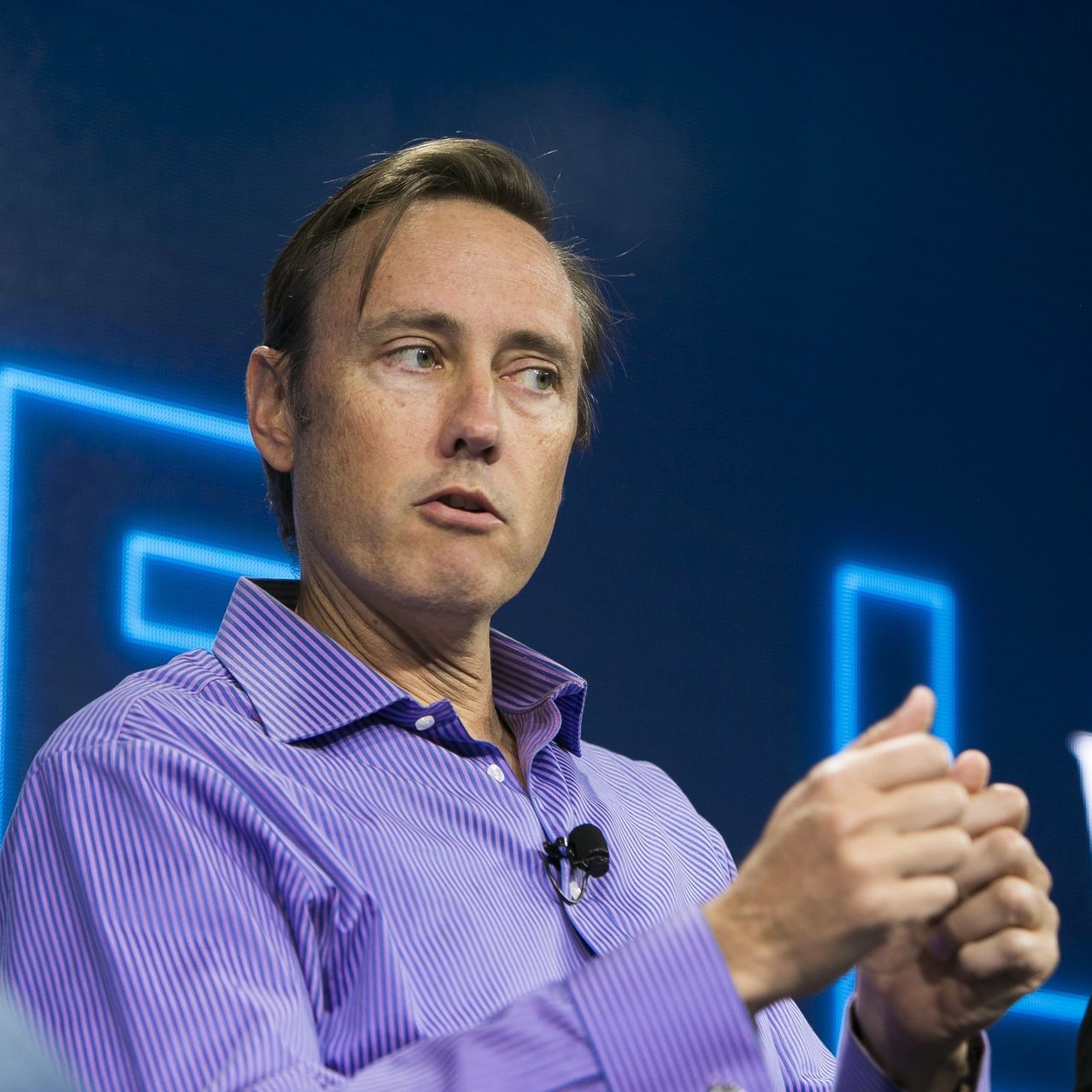
Former Tesla and current SpaceX board member Steve Jurvetson, shown in 2016, is among the directors who have used drugs with Musk, according to people who have witnessed it and others with knowledge of it. PHOTO: NIKKI RITCHER FOR THE WALL STREET JOURNAL
For his work on the Tesla board, he has made more than $100 million by selling shares he earned.
When Musk needed cash, Gracias lent him $1 million, Gracias said in a court deposition, though it is unclear when he gave the money or what it was for. Musk has also personally invested about $10 million in Gracias’s Valor Equity Partners.
When asked in a court deposition whether his close friendship and business relationships with Musk affected his ability to act as an independent director at Tesla, particularly related to Musk’s 2018 pay package, Gracias said it didn’t. “Otherwise, I wouldn’t have done it,” he said.
Gracias stepped down from the Tesla board after more than a decade in 2021 in response to the pressure to improve its corporate governance. He remains a SpaceX director.
Jurvetson is one of Musk’s closest friends, and the two have mixed friendship and business for years. Jurveston was an early investor in SpaceX, and the two have used LSD and ecstasy together.
Jurvetson, who is an amateur rocket enthusiast, often hosts Elon and Kimbal Musk for parties at his house at Half Moon Bay, a small beachside city south of San Francisco.
One episode, soon after the 2017 scandal that led to Musk and Jurvetson working to keep his Tesla board seat, shows the extreme intertwining of personal and business relationships around Musk.
Tesla’s general counsel at the time, Todd Maron—who had been a divorce lawyer for Musk—helped negotiate an understanding with one of Jurvetson’s ex-girlfriends, Keri Kukral, according to emails between the company and Kukral reviewed by the Journal.
As part of the 2018 arrangement, Kukral was given permission by Maron to review and approve public messaging, such as press releases, related to Jurvetson and his Tesla board seat, the emails show. After Maron left Tesla, his successor general counsel, Jonathan Chang, continued to communicate with her, the emails show.
In return, Kukral wrote a professional recommendation of Jurvetson to Tesla as he campaigned to keep his board seat.
It is highly unusual for a company’s general counsel to get involved in such personal matters of board members, or to give an outside person the power to review company messaging, corporate governance experts said.
Musk also tried to persuade board members to let Jurvetson vote while he was on a leave of absence, people familiar with the conversations said. Kimbal Musk, Murdoch and Denholm pushed back, the people said.
Jurvetson made more than $9 million selling Tesla shares received as a director before leaving the board in 2020, according to the documents reviewed by the Journal.
At least two former board members have bristled at the company’s lack of corporate governance and deference to Musk.
Former Tesla board member Linda Johnson Rice wasn’t close with Musk or other directors outside of work, although she sometimes saw fellow director Gracias at work events in Chicago, where they are both based.
She didn’t stand for re-election to the board in 2019 after serving less than two years over frustration with Musk’s volatile behaviour, including his drug use, the Journal reported. She informally asked whether the board should investigate and was brushed off.
“She served her term and that was it,” Musk tweeted about Rice, following the Journal’s January article about his drug use. “No negativity at all with Linda!”
Similarly, Hiromichi Mizuno, a former chief investment officer of Japan’s Government Pension Investment Fund, left the Tesla board in 2023 after three years in part because of the lack of ability he felt he had to work on improving the company’s governance-related practices. At issue was the board’s deference to Musk, who had different priorities for Tesla, according to people familiar with the board.
Mizuno found the board to operate more like a family company with fiefdoms, rather than a public company with stringent rules and regulations, even if it did usually perform well. He has made a practice of avoiding close relationships with others in the workplace to remain objective. While Mizuno was sometimes invited for a drink with Musk, he never attended his private parties or events, according to the people.
Musk has been recently pushing for even greater control over Tesla. He currently owns around 13% of the company.
In mid-January, before the Delaware court ruling on his pay package, he wrote in a post on X that he was uncomfortable transforming the electric vehicle giant into a leader in artificial intelligence and robotics without voting control over roughly 25% of the company.
“Unless that is the case, I would prefer to build products outside of Tesla,” Musk wrote.
The tweet was effectively an ultimatum for Tesla board members to revisit his compensation. The board so far hasn’t acted.
—Berber Jin, Lisa Schwartz and Jim Oberman contributed to this article.
A few years ago, Indonesia set out to turn its treasure trove of nickel into an electric-car manufacturing boom.
It imposed a sweeping ban on the export of raw nickel. That meant that companies wanting to tap the world’s largest source of the mineral—used in the most powerful type of EV batteries—would have to build smelters in Indonesia. Officials bet that factories to make EV batteries and entire electric cars would also follow, spawning end-to-end supply chains close to the mineral bounty.
The smelters came, and Indonesia’s nickel industry witnessed explosive growth. But powering it is a coal binge that is throwing off the country’s climate goals. And Indonesians are still waiting for EV makers to lay down production lines.
As President Joko Widodo prepares to leave office this year after a decade—the most he can serve—he is exhorting his potential successors to stick with the policy that is at the centre of his economic legacy. Indonesia holds presidential elections on Feb. 14, and a new leader will take charge in October.
Widodo has cast his plan, referred to in economist-speak as downstreaming, as the answer to the question of how Indonesia will become a rich nation. He says the country is reversing a 400-year pattern dating back to colonial times of being exploited for its natural resources and getting little in return. He has prodded other developing nations to follow its lead.
Last year, officials escorted delegations from mineral-rich Papua New Guinea and the Democratic Republic of Congo to one of Indonesia’s largest nickel industrial parks to show them the scale of Indonesia’s achievements. New Chinese-built smelters dot the archipelago. The value of Indonesia’s nickel exports is up four times since 2019 to around $33 billion.
Not everyone believes the silver metal is a silver bullet.
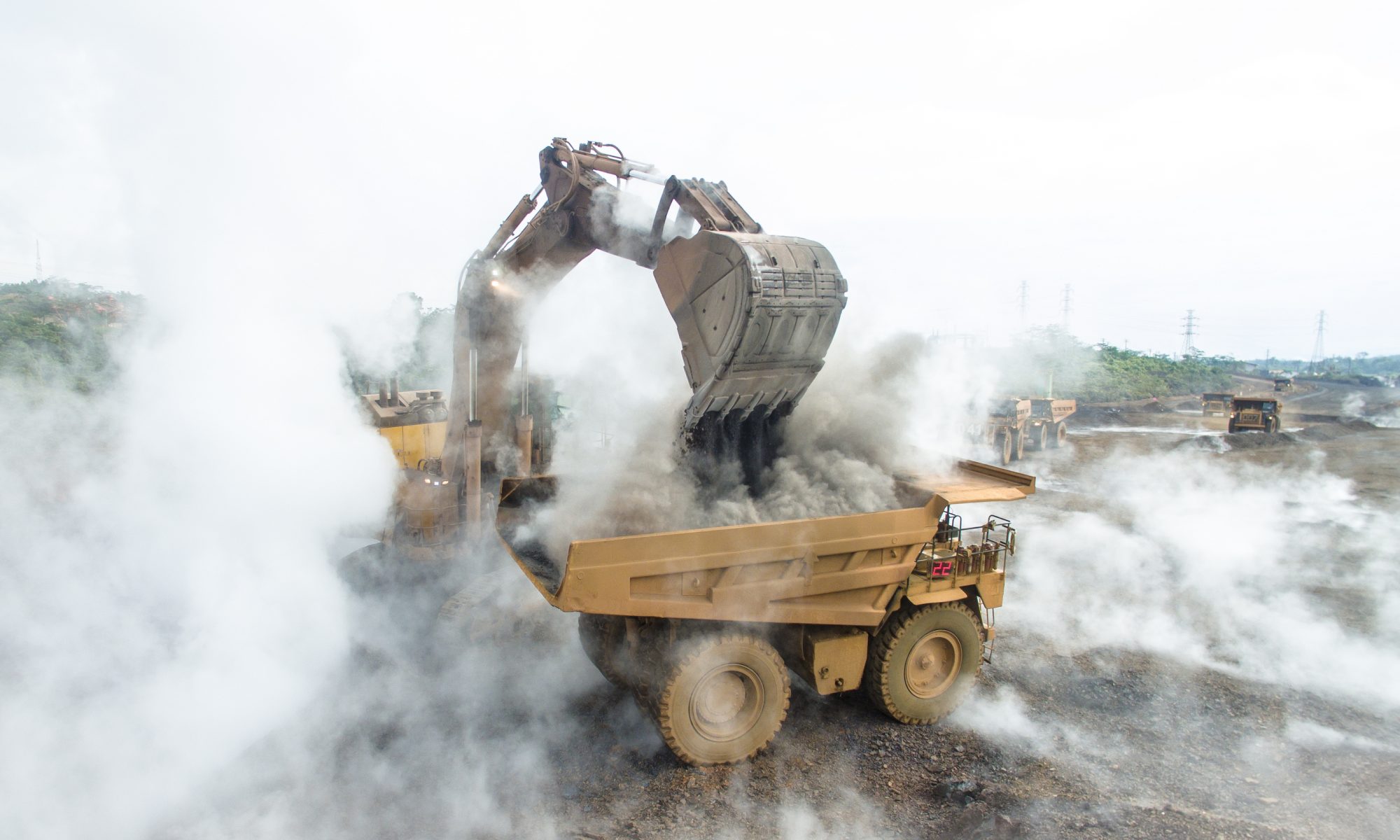
Nickel smelters have led to a surge in coal use, with new coal plants coming up at a time when the world is trying to phase out the fossil fuel. A January report by Climate Rights International, a U.S. environmental group, said that a single nickel-focused industrial park located on eastern Indonesia’s Maluku islands will burn more coal than Spain or Brazil when it is fully operational.
“We are sacrificing the environment and society, while at the same time getting limited profits for the country,” Muhaimin Iskandar, a vice-presidential candidate in the coming election, said during a televised debate with his political opponents.
Other candidates have pledged to carry forward the president’s nickel policies, including the front-runner for president, Prabowo Subianto, who has said it is much better to export electric-vehicle batteries than raw nickel.
The “dirty nickel” reputation is threatening the very economic opportunities Indonesia covets. In October, nine U.S. senators signed a letter opposing a proposed free-trade agreement to source critical minerals from Indonesia, citing environmental and safety concerns. Without a free-trade deal, EV batteries with substantial quantities of Indonesia-processed nickel won’t be eligible for a major U.S. tax credit.
That makes the country’s nickel less attractive to Western EV makers, who are already battling questions from green groups about the environmental fallout of the country’s sprawling nickel operations.
In a sign of the growing unease, a deputy director for batteries and critical materials at the U.S. Energy Department, Ashley Zumwalt-Forbes, voiced concern in a LinkedIn post last month about what she called the grip of dirty Indonesian nickel on the market. Indonesia accounts for half the global nickel supply, up from a quarter in 2018.
The problems with nickel are also pushing EV makers to rework car batteries and go nickel-free. A lithium-iron-phosphate alternative is gaining traction, though it remains less powerful than batteries containing nickel.
Then there is the question of whether the policy is taking Indonesia toward Widodo’s goal of downstreaming—that is, a shift to higher-value manufacturing. Widodo has long said the endgame isn’t localising nickel processing but rather attracting EV and battery factories. Anything less, he says, could put Indonesia on the same track as some commodity-rich Latin American economies that have languished.
But so far, EV makers haven’t rushed into Indonesia. Tesla, which Widodo has assiduously courted, including on a 2022 trip to Texas to meet with founder Elon Musk, hasn’t shown any signs it plans to set up a factory in the country. No other Western automakers have built EV factories either, though General Motors has a stake in one China-based automaker producing electric cars in Indonesia. Some, like Ford, have made deals to tie up nickel supply.
Korean automaker Hyundai has since 2021 operated one of Indonesia’s only EV factories, focused on the domestic market. The unit can produce 150,000 vehicles a year, but made fewer than 9,500 in 2022 and 2023. Hyundai and Korea’s LG expect to begin producing battery cells at a plant in West Java this year.
Automakers generally look to set up battery and EV plants in the markets where people are already buying electric cars. That puts Indonesia, where few consumers have switched from combustion-engine vehicles, at a disadvantage. The country has a limited charging network and gasoline is heavily subsidised.
Indonesian policymakers who believe the country’s nickel bounty gives it leverage over carmakers are mistaken, said Tom Lembong, a former trade minister under Widodo. He pointed to the growth of nickel-free batteries as a warning against betting big on nickel.
Lembong, who is advising presidential candidate Anies Baswedan—whose ticket advocates focusing on promoting labor-intensive industries—said Indonesia has made limited progress moving up the value chain.
“The irony about this is they call it downstreaming, but we’re still very upstream,” he said.
Septian Hario Seto, a senior Indonesian official involved in nickel policymaking, acknowledged that EV battery and car factories have been slower to come than nickel smelters. The government has brought new regulations to address that, he said, such as one that makes it easier for EV makers to import cars into Indonesia on the condition they later build a factory.
Last month, Chinese EV giant BYD said it would begin car sales in Indonesia, and break ground on a manufacturing unit later this year.
Overall, Seto said the nickel policy has been successful, boosting economic growth in less-developed eastern regions where the nickel is found, and providing jobs and tax revenue. The government has taken steps to limit environmental degradation, such as by banning companies from jettisoning mining waste into the ocean, and will try to bring hydropower projects online as an alternative to coal, he said.
Cullen Hendrix, a senior fellow at the Peterson Institute for International Economics in Washington, D.C., said there are two ways to assess Indonesia’s industrial policy.
“It’s been successful at driving foreign investment and building nickel processing capacity,” he said. “So far it hasn’t achieved the fully integrated mine-to-EV battery assembly to which it aspires.”
Sarah Tucker-Ray, a partner in McKinsey’s Washington, D.C., office, felt a lot of trepidation when she took a six-month parental leave in 2022.
“There is fear about, ‘Am I going to get written out of the story?’ ” says the 36-year-old Tucker-Ray, whose daughter, Viviana, was born in August 2022. “Is someone going to step in for me and take over? How will I come back?”
She addressed those fears in a reintegration plan that she drafted before going on leave. It included instructions for those who would be covering her workload while she was out, and it laid out what she wanted her job to look like when she returned. For example, Tucker-Ray didn’t want her role to change significantly, but she asked to not be given any internal projects—those focused on McKinsey’s own operations versus those of outside clients—during her first six months back. She also thought about small stuff, such as writing down all of her passwords, and she connected with other working mothers at the company who served as peer counsellors before she went on leave.
“They told me that the goal for week one is to get dressed, have breakfast with my baby, get into a suit without getting spilled on and get out the door,” she says. “It sounds so basic but I hadn’t had to do that yet.”
The days, weeks, and months after a new parent returns to work after leave can be a critical and challenging time for an employee. Many experience anxiety about how they are going to manage work and parenting, and some end up feeling like a failure at both.
To address that, some organisations have launched formal “reboarding” programs that structure those first months back after leave so they aren’t overwhelming for new parents, while also providing them with emotional support. McKinsey tested such a program in Europe and then expanded it globally
Many see it as a business imperative. Organisations are making substantial investments in paid maternity and paternity leave—in 2023, 40% of organisations in a Society for Human Resource Management survey offered paid maternity leave and 32% offered paid paternity leave—and they want to ensure new parents return to work and are productive and content when they do.
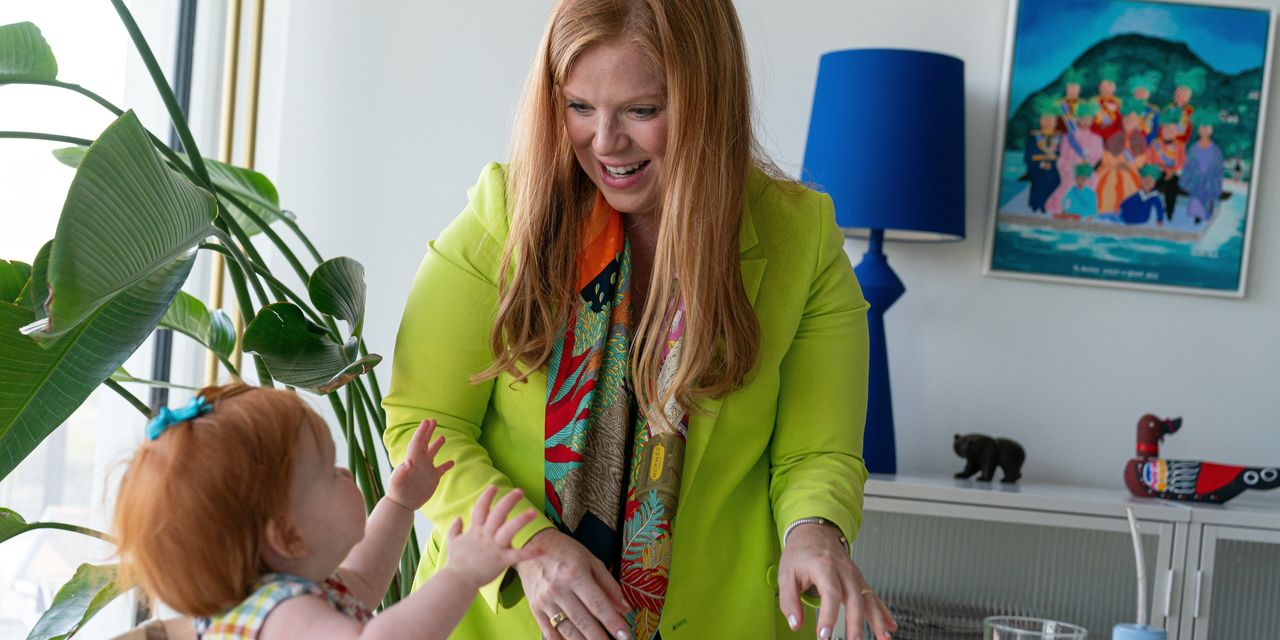
Tucker-Ray was happy to learn that McKinsey would cover the cost of her daughter and her husband to join her on a business trip. PHOTO: ELIZABETH FRANTZ FOR THE WALL STREET JOURNAL
Creating a plan
A successful reboarding program requires planning, and it and starts long before an employee goes on leave, consultants and HR leaders say. It begins with mapping out a comprehensive work-coverage plan, including if and under what circumstances the employee wants to be contacted about work while out on leave. The plan also should create clear expectations about what the return-to-work will look like, including the employee’s job description post-leave and even an explanation of what that first daunting day back might entail.
Many reboarding programs also connect new moms with experienced working parents or colleagues who have recently returned from parental leaves, as well as a coach (often an outside consultant) who can help set priorities and guidance on best practices.
When Maria del Mar Martinez became head of McKinsey’s diversity, equity and inclusion efforts in Europe in 2018, she learned that working moms left the management-consulting firm at nearly double the rate of their childless female peers with similar tenure. In exit interviews, women shared common grievances, including the challenge of balancing parenthood with a demanding job, a lack of support from their managers and few role models.
She heard similar sentiments in Asia and the U.S.
“That was a business problem,” says del Mar Martinez, now the global head of DEI at McKinsey. “I don’t want to lose those amazing women coming up the pipeline.”
To combat attrition, del Mar Martinez created a reboarding pilot program in Europe that included coaching employees before, during and after a parental leave. (Men are eligible to take part in the program if they have taken 12 weeks or more of leave.)
Built into the plan was a guarantee that new parents would have “meaningful work” upon their return, with the option of slowing down if that’s what they wanted, says del Mar Martinez. One issue, she and others say, is that managers often incorrectly assume that new mothers want lighter workloads or don’t want to travel, which is why it’s important for employees to spell out their preferences in a reboarding plan.
The McKinsey pilot required managers to confirm they understood their employee’s reintegration plan and to calibrate goals in performance reviews to ensure the person taking leave wouldn’t be penalised.
It worked. McKinsey closed the European attrition gap in 18 months, del Mar Martinez says, and later expanded the program globally.
The manager’s role
Other companies are increasing the support they offer to new parents, too, including Wall Street’s Morgan Stanley, which in 2019 appointed Allyson Bronner head of family advocacy at the company’s institutional division, a full-time position that focuses on supporting employees before, during and after parental leaves.
Bronner says one of the best ways to ensure a successful return experience for new parents is to include managers in the process.
To that end, she meets with an expecting employee’s manager between the 25th and 30th week of pregnancy to preview what the employee’s return-to-work will look like and discuss best practices for easing the transition.
“It’s important to set the scene and give them tools to manage their employees,” she says.
She says her next meeting with the manager occurs about a month before the employee is due back to discuss how the first month should be structured. She suggests the manager call the new parent two to three weeks ahead to preview what the first few days back will look like—namely, checking email and showing colleagues baby pictures.
The support continues throughout the first several months, with managers having weekly check-ins with the employee for the first six weeks and then monthly check-ins after that. Bronner encourages managers to ask new parents how they are doing and how their child care is going to determine whether they would benefit from more support or advice in that area.
Since Morgan Stanley created the family advocacy role, “it feels like there has been a culture shift,” Bronner says. “It’s hard to quantify in numbers, but culturally it feels like we’re moving in a more positive direction.”
A culture shift is also under way at chip-equipment maker ASML, which recently expanded the paid parental leave it offers and in May joined forces with employee-benefits firm Parentaly to create a support system for new parents.
ASML is in a male-dominated industry, says Karen Reinhardt, the firm’s chief human-resource officer in the U.S., so retaining women is critical to having a diverse workforce.
As of December, 82 employees had registered for the reboarding program, “more people than we expected,” Reinhardt says.
Among them is Meredith Polm Sheain of San Diego, a knowledge-management developer who went out on maternity leave in late August. In her reboarding plan, she made clear that she wanted to be notified while on leave about any bumps in a recently launched product. She also laid out her priorities for the first two months of her return.
“I felt so much better about the concept of returning to work once I gave my team this plan,” says Polm Sheain, who returned to work on Dec. 22. “I left them and myself in the best position I could.”
Reboarding isn’t the only new benefit companies are offering to make life easier for new parents.
McKinsey’s Tucker-Ray was asked to attend a partner conference in Atlanta about six weeks after returning from maternity leave. The firm covered the cost of her daughter and caregiver (her husband) to join her on the trip since she was still breast-feeding.
“I would have been torn about going away for nearly a week for an internal event but it became a nonevent,” she says. “It got rid of the barrier to feeling you can’t participate fully in parenting and be a leader.”
It’s an area already popular with the likes of Oprah Winfrey, Ellen DeGeneres, Prince Harry and Meghan Markle.
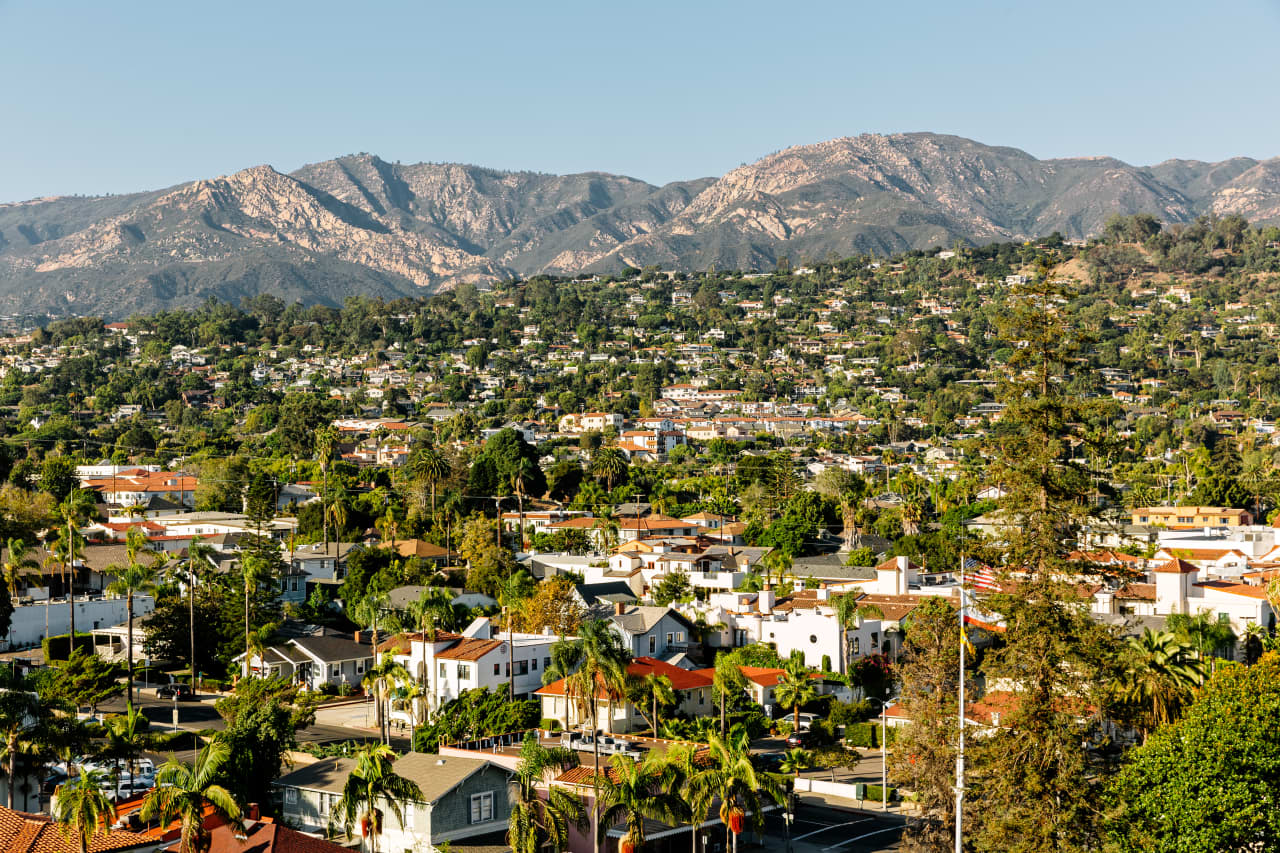
But now the affluent Santa Maria-Santa Barbara metropolitan area on the Central Coast of California nestled between the Santa Ynez Mountains and the Pacific Ocean has ranked as the top housing market in the latest Wall Street Journal/Realtor.com Emerging Housing Markets Index, released Wednesday.
It’s a surprise result for the quarterly index, which has, until now, typically seen more affordable cities rank at the top—Topeka, Kansas, took first place in the prior iteration of the report, released in fall, and Lafayette, Indiana, in the summer ranking.
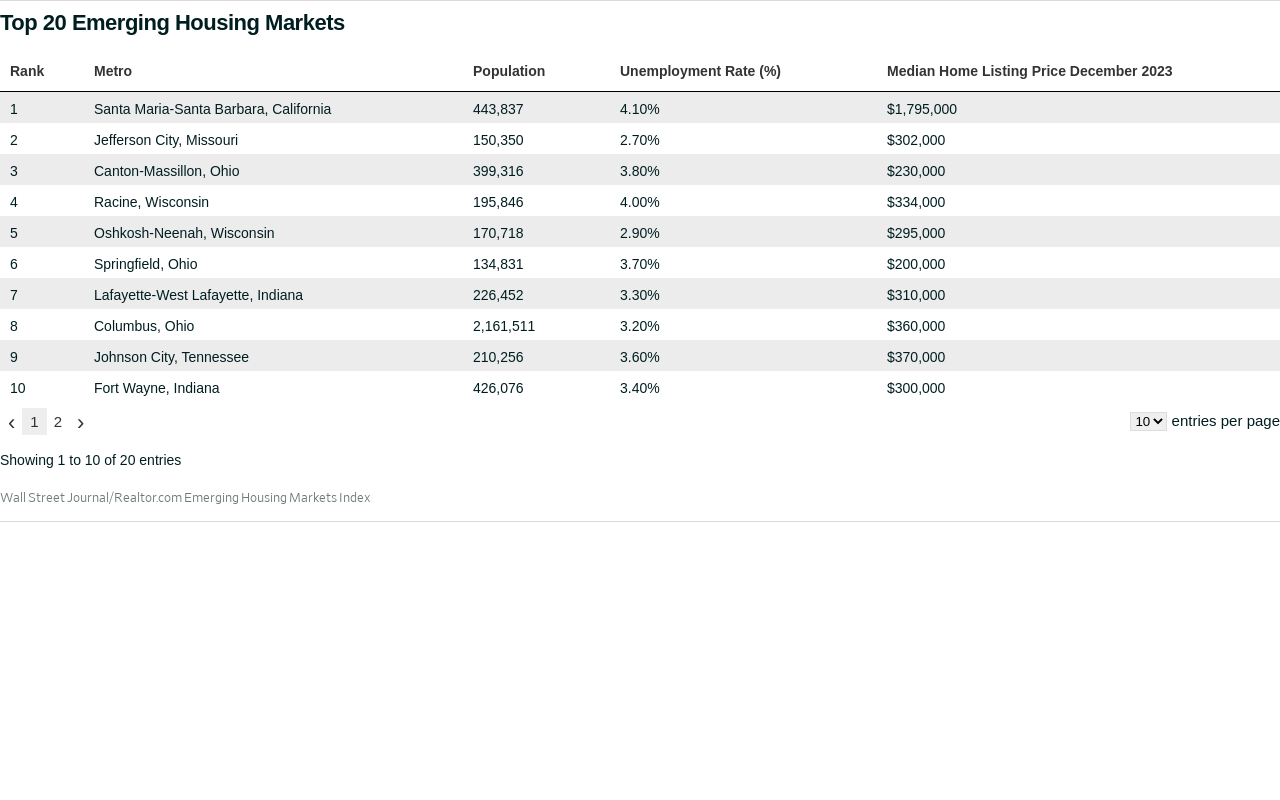
“Santa Maria-Santa Barbara topping the list serves to highlight the division in today’s housing market,” said Danielle Hale, chief economist at Realtor.com. It’s the one and only West Coast market in the top 20, and, with a median listing price of $1.795 million in December, the highest-priced market by more than $1 million.
The top five cities in the index were rounded out by Jefferson City, Missouri, where the median listing price was $302,000 in December; the Canton-Massillon metro area in Ohio ($230,000); Racine, Wisconsin ($334,000); and the Oshkosh-Neenah metro area in Wisconsin ($295,000).
“Many housing markets cooled off after the pandemic’s run-up in prices and inventory-depleting demand,” Hale explained. “The markets that have continued to chug along, and even gain steam, are either priced low enough that buyers can compete, or priced high enough that the typical affordability constraints are not of concern to the market’s buyers.”
The latter is the scenario that’s playing out in Santa Barbara.
The index analyses key housing market data, as well as economic vitality and lifestyle metrics for the largest 300 metropolitan areas in the country to highlight emerging housing markets that offer a high quality of life and are expected to see future home price appreciation. It identifies markets that those considering a home purchase should add to their shortlist—whether the goal is to live in it or rent.
Santa Barbara “offers perhaps the finest lifestyle in the U.S.,” said local agent Luke Ebbin of The Ebbin Group at Compass. “Three-hundred days of sunshine and warm weather, a relaxed pace of living, proximity to uncrowded beaches, mountain hikes, fine food and wine, and incredible cultural offerings more often found in major metropolitan areas.”
However, with that median listing price of $1.79 million—more than four times the national median—the price tag attached to the idyllic locale is well out of range for many would-be buyers.
“Though Santa Barbara is among the highest-priced large housing markets in the U.S., buyers in the area have seen similar trends to buyers in other more affordable markets,” Hale said. “For-sale inventory fell rapidly during the early days of the pandemic, and has not recovered much as demand waned in the area and homeowners chose not to sell.”
As a result, “buyers hoping to snag a median-priced home are facing more competition, which has driven prices higher,” she said.
In December, 71% of homes on the market in the metro were priced at $1 million or higher, up from the same time in 2019, when the metric stood at 62%.
“Buyers who have been eager to purchase here and have been on the sidelines due to low inventory and high interest rates are entering the market as rates decline and more inventory becomes available,” Ebbin said. That “low inventory and high demand are keeping prices elevated.”
It should come as no surprise then that Santa Barbara boasts an affluent population who “are drawn to the area’s lifestyle, amenities and upscale housing options,” said Santa Barbara-based agent Jason Streatfeild of Douglas Elliman.
Santa Barbara has “long been a popular destination for retirees, especially those seeking a mild climate, beautiful scenery and a relaxed coastal lifestyle,” Streatfeild said, noting that many migrate from colder regions of the country, as well as from other parts of California.
Not only charmed by the balmy wealth, individuals from far and wide are equally wooed to the area by its thriving entrepreneurial community, and Santa Barbara’s “robust job market, including opportunities in technology, healthcare, finance and education, attracts professionals from various parts of the country,” Streatfeild said. “Some may relocate from major metropolitan areas like Los Angeles, San Francisco or New York in search of a more balanced and less crowded lifestyle.”
Indeed, out-of-towners appear to be driving demand in the coastal enclave, according to search data from Realtor.com. More than three-quarters (79.5%) of views to Santa Barbara home listings on the site came from outside of the metro in the fourth quarter, with a notable amount of attention coming from the Los Angeles (32.8%) area, according to the index. House hunters from Silicon Valley, Atlanta and New York City were also shopping in the area, according to Realtor.com data.
Meanwhile, Prince Harry and Megan Markle are prime examples that “Santa Barbara’s appeal extends beyond U.S. borders,” Streatfeild said.
The University of California, Santa Barbara, also attracts a global cohort—along with plenty of domestic new residents—who move to the area to pursue higher education.
The Santa Barbara metro area “attracted a sizeable 3.3% of its listing viewership from shoppers outside of the U.S.,” Hale said in the report. “Suggesting that international demand is applying pressure to already high prices.”
For comparison, “the average international viewership share across the 300 ranked markets was less than half (1.4%) the viewership share in Santa Barbara,” she added.