Paramount Discussed $1.5 Billion California Investment to Clear Merger Hurdle - Kanebridge News
Share Button

Paramount Discussed $1.5 Billion California Investment to Clear Merger Hurdle

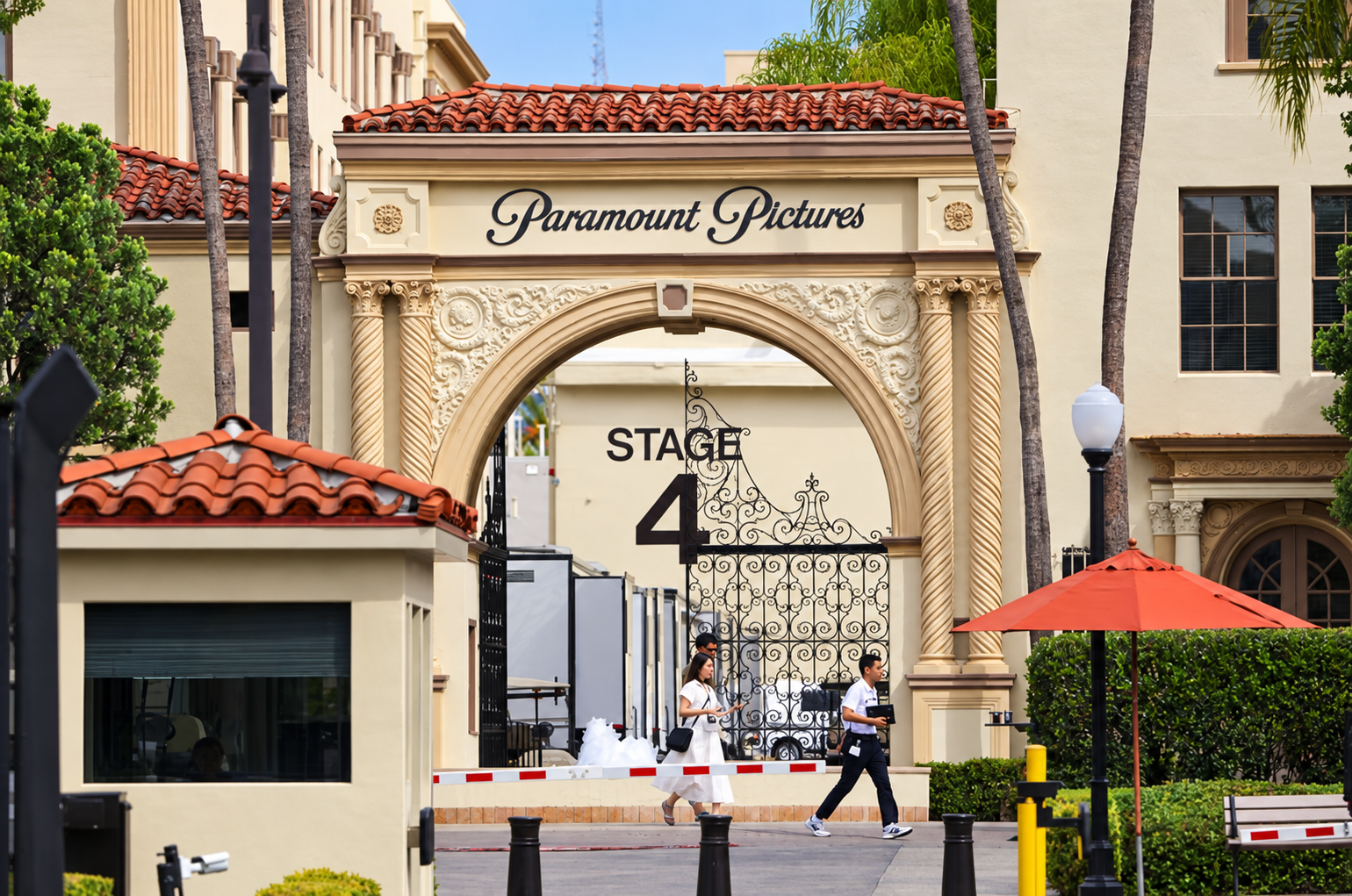
Paramount and California’s attorney general are in advanced settlement talks over the company’s proposed $81 billion merger with Warner Bros. Discovery. Potential concessions include investing $1.5 billion in California production, retaining both studio lots and introducing safeguards for CNN’s editorial independence.

By
Mon, Sep 21, 2026 5:37pmGrey Clock 3 min

California’s attorney general and Paramount PSKY -3.86%decrease; down pointing triangle have discussed a series of potential concessions as part of advanced settlement negotiations, including a $1.5 billion investment by the company in production in California, according to people familiar with the discussions.

Paramount executives and a coalition of states that sued to block its $81 billion merger with Warner Bros. Discovery WBD -1.56%decrease; down pointing triangle spent the weekend hashing out the details of a possible settlement. Such an agreement would clear the way for a deal that would bring HBO, CBS, CNN, streaming services and famed movie studios under one owner.

Among the concessions the parties have discussed beyond the sizable production investment: a promise not to sell either studio lot and to stay in the state of California, the people said. The company had explored moving out of the state as the deal faced opposition.

The parties have also considered potential penalties if Paramount doesn’t make good on an earlier pledge to make 30 movies a year after the merger, including having to sell its stake in Miramax, known for such classic movies as “No Country for Old Men” and “Pulp Fiction,” the people familiar with the matter said.

Other measures the sides have explored include the sale of some cable channels and the creation of a board to ensure that CNN retains editorial independence, people with knowledge of the talks said. The network has been a political flashpoint throughout Paramount CEO David Ellison’s fight for Warner. Paramount had been discussing creating such an editorial board before the lawsuit.

A final deal hasn’t been reached, and it is unclear what terms the parties may ultimately agree to.

Ellison has spent the past year fighting to buy Warner in a megadeal that would expand his entertainment empire, but that has drawn opposition from some political and Hollywood figures.

A dozen Democratic-led states led by California Attorney General Rob Bonta sued in July to block the deal on antitrust grounds, arguing that the combination of Paramount and Warner would create too much concentration in the markets for theatrical films and cable television channels.

The Writers Guild of America sued over the merger, saying that the deal would eliminate jobs and career opportunities for Hollywood screenwriters.

Demonstrators protest a proposed media merger outside the Elihu M. Harris State Office Building in Oakland, Calif.
Demonstrators protested the potential settlement in downtown Oakland on Sunday. Jeff Bercovici/WSJ

About two dozen demonstrators gathered in front of the Elihu M. Harris State Office Building in downtown Oakland on Sunday evening to protest a potential settlement. Holding signs reading “Bonta: Don’t You Dare” and “Block the Megamerger,” they took turns giving speeches urging the attorney general to continue pressing the suit.

“Nothing has changed since he filed the case,” said Annie Leonard, co-founder of the nonprofit Committee for the First Amendment, which advocates for free expression. “He needs to stay as strong as he was in filing it.”

The two sides had come under pressure to settle the matter in recent months, including from California Gov. Gavin Newsom, Los Angeles Mayor Karen Bass, gubernatorial candidate Xavier Becerra, movie theater chains and some Hollywood labor unions.

Paramount’s agreement with Warner also included a “ticking fee” with payments to Warner shareholders of roughly $650 million a quarter, or $7 million a day, beginning next month, until the transaction closes.

Paramount had asked a federal judge to require the states and the Writers Guild to put up a nearly $1.9 billion bond for challenging the acquisition, money that would go to the company if it ultimately won the case.


MOST POPULAR

BNW Developments has established a Sydney presence, joining Arada and Sobha Realty among the growing number of UAE developers pursuing Australian buyers and development opportunities.

The Australian leather house has opened an immersive four-day pop-up in Manhattan, unveiling its Bloom Collection and redefining what a product launch can look like.

Related Stories
Lifestyle
The Beleaguered Chip Sellers Getting Their Revenge on Apple
By Rolfe Winkler 29/10/2026
Lifestyle
Microsoft Will Offer Buyouts to 60,000 Employees
By Isabella Simonetti and Joseph De Avila 27/10/2026
Lifestyle
The Origin Story of Candy Corn—and Other Halloween Mainstays
By Lisa Ward 26/10/2026

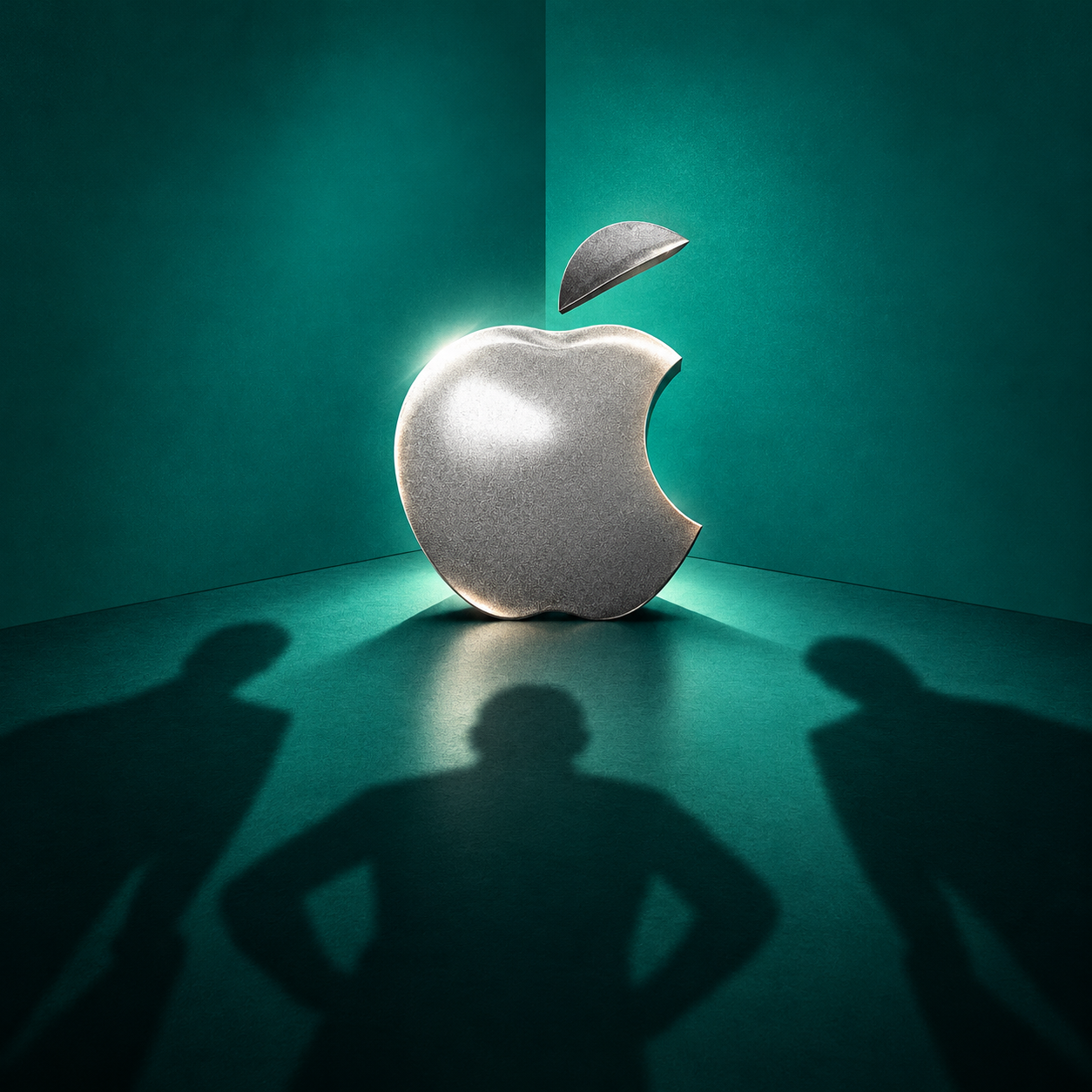
Surging demand from AI data centres has driven flash memory prices up fivefold over the past year, giving suppliers such as Kioxia greater leverage over Apple. The shift is increasing storage costs for the iPhone maker, putting pressure on profit margins and contributing to higher prices across its product lineup.

By Rolfe Winkler
Thu, Oct 29, 2026 3 min

During a ride in a Southern California desert, sales executive Scott Nelson stopped his dirt bike, pulled out a rifle and shot his old iPod.

Nelson sold flash storage to Apple AAPL -0.94%decrease; down pointing triangle and hated feeling like he always got the worst end of the deal. His Japan-based manufacturer, Kioxia, had little leverage. Apple was the world’s biggest buyer of flash—the chips in iPhones that store photos, music and apps—and used its position to squeeze every cent from suppliers. Apple bullied flash makers into opening their books so it could monitor sales, making sure no one else got a better deal.

Kioxia and other flash makers stewed as Apple paid them pennies for flash storage that the iPhone maker resold to customers for dollars. The disparity in bargaining power had galled Nelson, who used Android phones in protest.

Nelson kept the broken pieces of his iPod, the first Apple device to use flash. They sit on his desk and hold a special reverence now that the tables have turned.

In the past year, demand by AI hyperscalers has quintupled prices for flash, according to research firm TechInsights, opening a new era for Kioxia and other suppliers. Two years ago, Apple bought nearly twice the flash storage of Microsoft, Amazon, Meta and Google combined, according to TechInsights estimates. Hyperscalers are now buying double Apple’s share.

Flash memory suppliers and their sales teams privately expressed their glee at Apple’s comeuppance during chitchat at the industry’s largest conference this summer in Santa Clara, Calif. AI deals have given Kioxia sales executives and other flash suppliers new leverage to charge Apple higher prices.

Meta, Microsoft and Amazon signed contracts with Kioxia this year to secure long-term supply by committing to higher prices. The contracts protect Kioxia’s profits if the market turns. The company declined to comment.

Hyperscalers can afford to pay more. Flash storage is a smaller part of building a data center than making an iPhone, and accounting rules allow companies to spread the cost over years.

Apple is expected to spend $25 billion on flash storage this year for about the same amount it bought for $6 billion in 2025, according to estimates by TechInsights. Tim Cook, Apple’s executive chairman, compared escalating memory chip prices to a “100-year flood.”

Yet Apple had ignored analysts’ warnings and was caught off guard, said people familiar with the company’s procurement practices.

Company executives believed they knew the market better than anyone else, the people said. Flash that cost $68 a gigabyte in 2005 had fallen to a nickel by 2023. Now, demand by the AI industry has lifted the price to more than 30 cents a gigabyte, a 550% jump, threatening Apple’s steep profit margins from selling extra storage.

Buyers of the iPhone 17 Pro paid Apple $200 last year for double the storage of its 256-gigabyte base model. The extra storage at the time cost Apple $15 and has since shot up to $66, according to an analysis by The Wall Street Journal.

Storage upgrades for iPhone 17 Pro (2025) versus iPhone 18 Pro (2026)

“Apple has historically driven a very hard bargain with memory suppliers,” said Walt Coon, an analyst at TechInsights. “And there’s no shortage of satisfaction among suppliers now that the balance of power is shifting.”

“We’ve worked with many of our suppliers for decades, and we deeply value their partnership over the years,” Apple said in statement. “We look forward to continuing our important work together.”

A buyer at the Apple store on Fifth Avenue in New York City last month.
A buyer at the Apple store on Fifth Avenue in New York City last month. Vanessa Carvalho/ZUMA Press

Apple recorded an average gross profit of more than 80 cents for every dollar it charged iPhone and iPad buyers for extra storage since it first released those devices through 2025, the Journal found. For Mac computers sold since 2010, it averaged nearly 80 cents.

In recent months, Apple raised prices for nearly all of its products. Prices rose an average of 13% for iPhones, an increase that included older models which typically get a price cut.

Price, change from Fall 2025 to 2026

The question for Apple is whether consumers will react to the higher prices by keeping their iPhones longer or whether they will continue to buy at their usual pace. For flash-storage makers, the question is when—or if—Apple will regain its flash-market leverage.

“It’s been a love-hate relationship between Apple and the flash industry,” said Mark Newman, an analyst with Bernstein Research. Apple has sustained the manufacturers for years, he said, but its power to cap prices, while beneficial to shareholders, left suppliers feeling “screwed.”

Commitment-phobe

In 2001, engineers at Kioxia, then called Toshiba, showed two Apple executives a 1.8-inch-diameter, 5-gigabyte hard drive they had developed but didn’t yet know what to do with.