
Best Floor Lamps for Modern Living: Embrace Contemporary Illumination
By Kanebridge News
Fri, May 26, 2023 11:19am 3 min
3 min
3 min

 3 min
3 min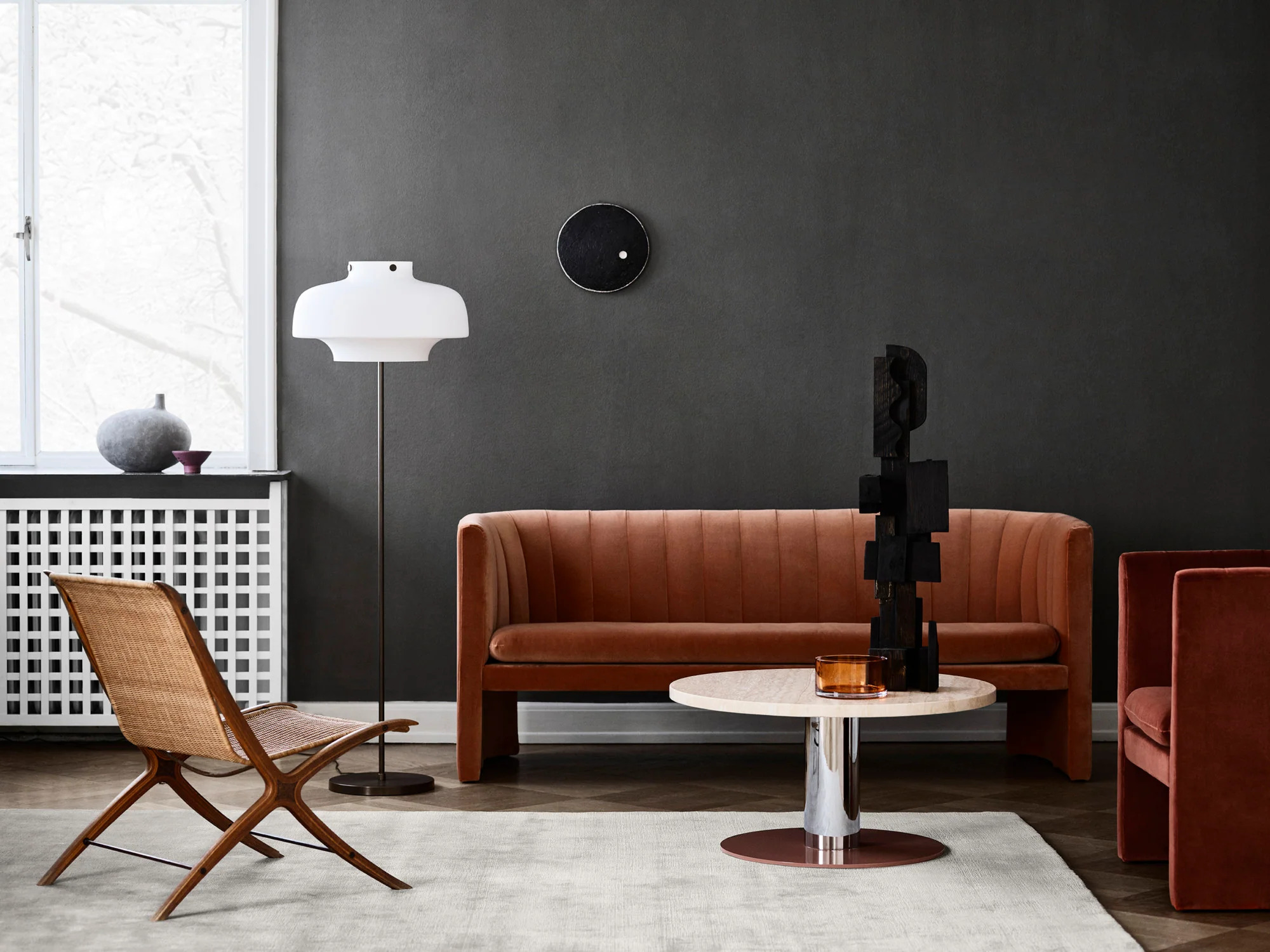
It’s that time of year when getting off the lounge seems like way too much effort. Instead, a comfortable chair, a good book and a warm beverage beckon. Making sure your living space works, whether you’re looking to create zones within an open plan, or you want to read without straining your eyes, depends on your choice of lighting. As well as being up to the task to create mood and function, these floor lamps make a style statement. We’ve selected the best, from classic designs to timeless contemporary to ensure your living areas are inviting, as well as inspiring.

The classic shapes of the Tote standing lamp by Tide Design have been given a clean, contemporary feel with the added warmth of natural timber. It’s the perfect shape for those who love tradition with a side of biophilic design. Available in three timbers, from $1,430 from Workshopped.

Made from coated fibreglass , coated metal and aluminium, the impossibly flexible Foscarini Twiggy floor lamp is ideal over lounges and cosy corners. From a design perspective, it breaks up strong lineal shapes associated with modular sofas. Plus, it creates pools of light perfect for zoning, $2,885 from Space.

The tripod base of the brass and black matte Cliff 02 lamp from the Lambert & Fils workshop adds extra stability with a contemporary edge. A study in minimalism, the brass finishes deliver a jewel-like finish to the supporting rods, $4,380 from Living Edge.

Perfect for creating visual warmth on cold nights, the Copenhagen SC14 lamp by &Tradition emits a soft ambient light with the control of a dimmer option and opal glass shade, $2,448 from Cult

US designer Kelly Wearstler’s stunning Alma lamp has the solidity of a white marble base and the allure of an antique burnished brass base. The cylindrical head of the pharmacy floor lamp can rotate 20 degrees left or right to best direct light, $2,079 from Montauk Lighting.
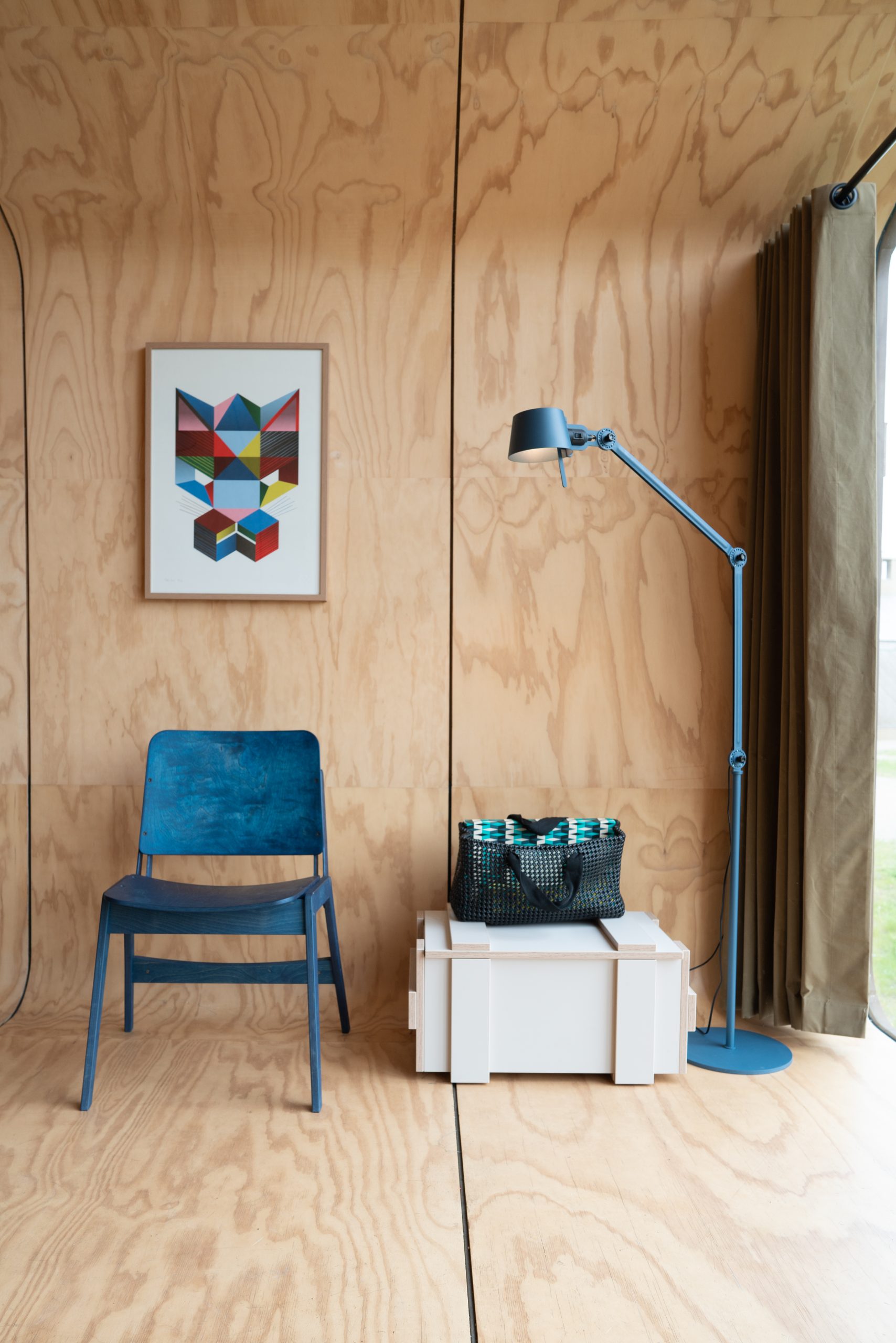
This lamp is right at home in any room in the house, from the living room to the kids’ bedrooms. Adjustable at two points to allow a change of height, as well as direction, it has a steel base and rods with an aluminium shade. It’s also available in a range of colours suitable for contemporary or traditional interiors, $1100 from Mondopiero.
Lamps are an ideal way to create a sense of warmth in your living room but it’s critical to choose the right light bulbs to avoid your spaces looking like a convenience store. The colour temperature of lights are measured in Kelvins, with 2700k-3000k considered warm and 4000k-5000k considered cool light.
The good news is floor lamps are available at a wide range of price points. Like most furniture, however, you get what you pay for. Prices for a reasonably good floor lamp start from $200 up to $5000 or more. Ensure it has at least a 12-month warranty.
This will depend on the type of lightbulb you use, as well as the style of lamp shade. Light intensity is measured in lumens and watts. A standard 40w lightbulb emits 450 lumens, while a 60w bulb emits 800 lumens. LED (light emitting diodes) lights output the most light in the most energy efficient way. A wider lampshade design will allow the light to extend its reach.
BNW Developments has established a Sydney presence, joining Arada and Sobha Realty among the growing number of UAE developers pursuing Australian buyers and development opportunities.
The Australian leather house has opened an immersive four-day pop-up in Manhattan, unveiling its Bloom Collection and redefining what a product launch can look like.
AI-powered travel agents are challenging online booking platforms, but Airbnb’s exclusive listings and direct customer relationships could give it an edge. Its next challenge: turning repeat guests into loyal customers through stronger rewards and innovation.
3 min
AI agents like Muse can already find you the cheapest hotel room in Paris. But they can’t locate a cheaper version of that Catskills cabin you’ve been eyeing, because it might only be available on Airbnb ABNB -1.43%decrease.
Investors should pay attention to that distinction. When Meta Platforms META 3.38%increase launched its Muse agent last month, travel stocks including Booking Holdings BKNG -1.19%decrease, Expedia and Airbnb all fell sharply.
Airbnb, though, has a real chance to emerge as a winner from the upheaval. The catch: Its stock already reflects above-industry growth. To justify its valuation, Airbnb will need to turn repeat customers into loyal ones.
Online travel companies make much of their money by simplifying search and collecting fees on bookings. AI agents threaten that model.
But not all travel marketplaces are equally exposed. Booking and Expedia largely sell hotel rooms that travelers can also book directly or through competing sites. If an agent can find the same room elsewhere, it has little reason to favor either Booking or Expedia.
Booking and Expedia also sell sponsored listings that steer travelers toward particular properties. Wells Fargo estimates those will account for about 8% of Expedia’s revenue and a much higher percentage of profit next year.
Airbnb has more ways to adapt. More than half its listings are available only on its platform, and more than 90% of its traffic comes directly to its app or website.
The customer relationship doesn’t end after booking, either. Bernstein analyst Richard Clarke notes that 90% of Airbnb guests go on to message their hosts about arrival times, keys or local taxes, giving Airbnb a connection to both sides of the transaction.
How the companies have responded to the possible agentic future is telling.
Expedia quickly signed on as a Muse partner. Airbnb hasn’t, and Chief Executive Brian Chesky says AI chatbots have so far been a boon, sending customers to Airbnb’s website.
Chatbots might work for buying paper towels, he quipped at a Skift conference last month, but people enjoy planning trips. He argued that browsing dozens of homes isn’t something a text-based chatbot is well suited for.
Still, the AI jitters arrived just as Airbnb was persuading investors it deserved its pricey multiple. For years after its 2020 initial public offering, the stock—which trades around 25 to 30 times forward earnings—went nowhere. Investors saw a mature operator trading at a growth premium.
This year, Airbnb growth seems to be accelerating. The stock jumped in August after the company raised its full-year revenue-growth guidance with its second-quarter results. Wells Fargo analyst Ken Gawrelski credits a run of product improvements under a revamped leadership team.
Among the changes: letting guests reserve now and pay later, adding hotels, and a redesigned home page and app. Investors were also betting on what comes next, including thousands more hotels, car rentals and, eventually, advertising.
The irony is that some of those growth drivers push Airbnb closer to the kind of business Booking and Expedia run—the kind of business AI agents could threaten. Even if AI agents capture a large share of travel planning and booking, Airbnb would capture the demand. But it and others would slowly lose control over how customers find and choose properties.
That would undermine the advertising opportunity investors are counting on. The bigger point for Airbnb and other marketplaces is that losing control of customer acquisition could mean surrendering some of their pricing power and margins.
To bulletproof itself, Airbnb might look to another e-commerce giant that has so far kept AI agents at arm’s length: Amazon.
Like Amazon, Airbnb has a loyal customer base and hard-to-match supply. But it has nothing like Prime membership to make customers think twice before taking their business elsewhere.
That is where loyalty comes in. Business travelers stick with Hilton or Marriott because enough nights earn them perks. Leisure travelers rarely accumulate stays with one chain. Airbnb has millions of listings and plenty of repeat customers, but no broad rewards program. It has begun experimenting with credits on hotel stays, but it should make loyalty a priority, not just a promotion.
Airbnb also plans to launch its own AI agent next year. But travelers using an agent might still want it to search Airbnb, Vrbo, Booking and hotel websites alike, rather than limit itself to one company’s inventory.
Eventually, Airbnb might have to strike deals with agent makers, using its unique homes as leverage to negotiate favorable terms, says Gawrelski. Such deals, along with rewards for loyal guests, could over the long term eat into the company’s roughly 13% take rate, he adds. But if they bring in enough additional bookings, the trade-off could be worthwhile.
History offers a reason not to panic. The shift from desktop to mobile unsettled investors in Alphabet and Amazon, but both emerged as major beneficiaries. Companies with valuable assets can come out of a platform shift stronger, if they adapt quickly enough.
Airbnb has homes the bots can’t easily replace. Now it needs to give guests a reason to insist on booking them there.
