With an EV, I Had to Learn to Drive All Over Again
One-pedal driving. Zero engine noises. And goodbye, door handles. Driving an electric car means relearning some fundamentals.
By JOANNA STERN
Fri, Sep 1, 2023 8:32am 4min
Look, when you drive an electric car, you have to toss out what you know about gas guzzlers. Beyond the bonkers acceleration and quiet-as-a-librarian ride, you have to tackle new complexities like how to tell if the car is…on. Get good and you might even master the art of driving one-pedal without puking.
Plenty of readers know what I’m talking about—and may have already aced the course. But if you’re thinking of buying an EV, or even renting one, you need to anticipate a learning curve.
Why is the Journal’s tech columnist talking about this? Don’t they have a car guy?
As you may have seen in my column and video last week, I tested five leading EV options under $60,000 in search of a second car for my family. Sitting in my garage is the winner, a leased Ford Mustang Mach-E. And yes, I am teaching my sons how to shine it up, Karate Kid style.
My EV exercise wasn’t merely about finding my next car. I wanted to clock just how much the shift to battery power is turning our cars into gadgets, not unlike smartphones and computers. Technology is upending a century-old industry.
For EV adopters, that means waving goodbye to a lot of things we’ve known about driving. I may be an expert at USB-C dongles and buried iPhone menu settings, but I am new to this hot gadget on wheels. Here are things I wish someone had told me before I went electric.
Welcome to Dri-EV-er’s Ed.
How to open the car
“Car door handles, they’re just too easy to use,” said no one ever. And yet EV makers thought they were begging for disruption.
On the Ford Mustang, you press a circular button on the door and it pops open. On the Kia EV6 and Hyundai Ioniq 5, the handle is flush with the car and pops out when the car is unlocked. With the Tesla Model Y, you need to push in the wide part of the handle then pull the longer skinnier part toward you. Thankfully, there’s a GIF for that.
The Volkswagen ID.4’s handle looks like a handle—but you don’t have to pull it out. Nestled under the handle is a sensor. Obviously, you learn how to open the door when it’s your own car, but you’ll always enjoy watching the uninitiated try to get in.
How to turn on the car
My least favourite car game? Power-button hide-and-seek.
“How to turn Tesla on” will be forever burned into my Google search history. I really couldn’t find a power button anywhere because…there isn’t one.
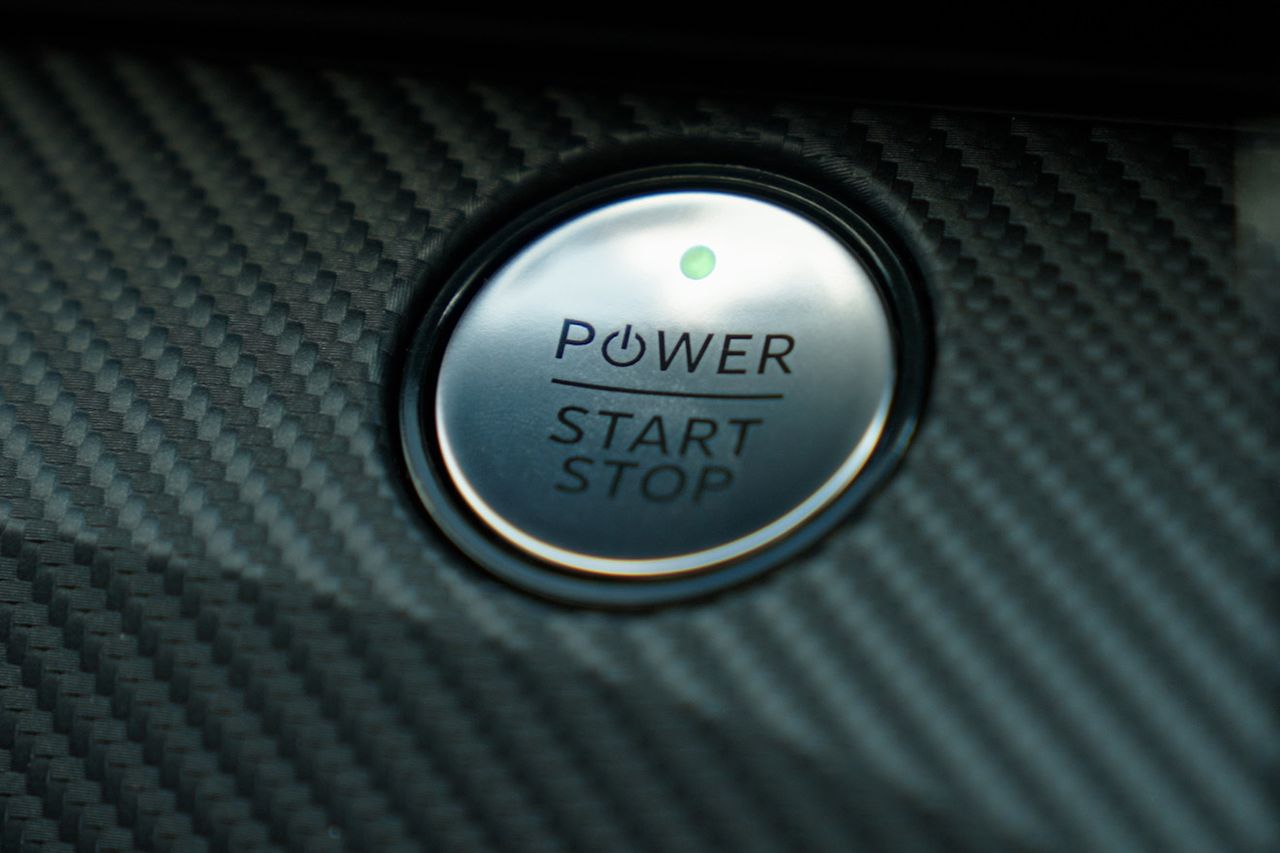
The Ford Mustang Mach-E has a traditional push-button. PHOTO: KENNY WASSUS/THE WALL STREET JOURNAL
Instead of a physical key fob, Tesla provides a hotel-style keycard. You can also use Tesla’s smartphone app as a key. As soon as you open the Model Y’s door, the touch screen powers on and you can operate all controls. To get it moving, you step on the brake and move the gear shifter to Drive.
Volkswagen’s ID.4 is similar: If you have the app or the key fob with you, the car powers up when you sit in the driver’s seat. Press the brake pedal and the drive system activates.
Ford, Hyundai and Kia stick to start/stop push buttons. There are key fobs, but you can also set up the apps as keys.
How to drive the car
OK, you know how traditional automatic-transmission cars creep forward when you take your foot off the brake? That generally isn’t the case with EVs. To move, you tap the accelerator. (Even in reverse, which can be a little unnerving.) As soon as you take your foot off the accelerator, the car slows and brakes on its own. You only hit the brake pedal itself if the car isn’t slowing quickly enough.
Most EVs let you do “one-pedal driving”—that is, driving with only the accelerator.
Why change how we’ve driven for so long? Regenerative braking. These brakes use motors that capture energy and return it to the battery. Hybrids often have a variation of this too, but EVs are all about it. (Here’s a deeper discussion of how it works.)
The rapid, automatic deceleration can be unsettling at first. And some people told me it can make passengers nauseous or queasy. Don’t worry! On many EVs, you can turn off the setting or minimize its intensity. The Volkswagen doesn’t even prioritise it—you have to select the mode. Its default drive mode feels much more like a regular car.
But I’m a total one-pedal convert now. In fact, when I get back in my gas-powered Volvo, I have to remember to hit the brake.
How to know if the car is running
Unlike internal combustion engines that go “vrrrrr vrrrrr VROOOM” when you start them up, EVs sound like futuristic golf carts. I’ve definitely ended up restarting the Mach-E because I wasn’t sure it was on.
The National Highway Traffic Safety Administration has set guidelines for “quiet cars” to protect pedestrians—especially people who are blind or have low vision. Under 19 mph, the cars must emit some sound. My Mach-E beeps when I reverse. The Model Y’s whirring sounds like the spaceship in “E.T.”
Some automakers use synthetic sounds to make these new cars sound old school. In the Mach-E, when I put the car in Unbridled mode and press on the accelerator, it hums like an internal combustion engine.
How to pull in for a charge
I think we can all agree on the greatest automotive invention of all time: the little arrow on the gas gauge telling you which side the fuel cap is on. There’s no standardisation for charging-port location on an EV. (This diagram is proof.) I didn’t see any handy arrows inside the cars I tested. Turns out Hyundai and Kia show a little arrow on the screen (I didn’t see it) and Volkswagen does have a cool map of the car showing the charging port, but it’s a few taps into the settings.
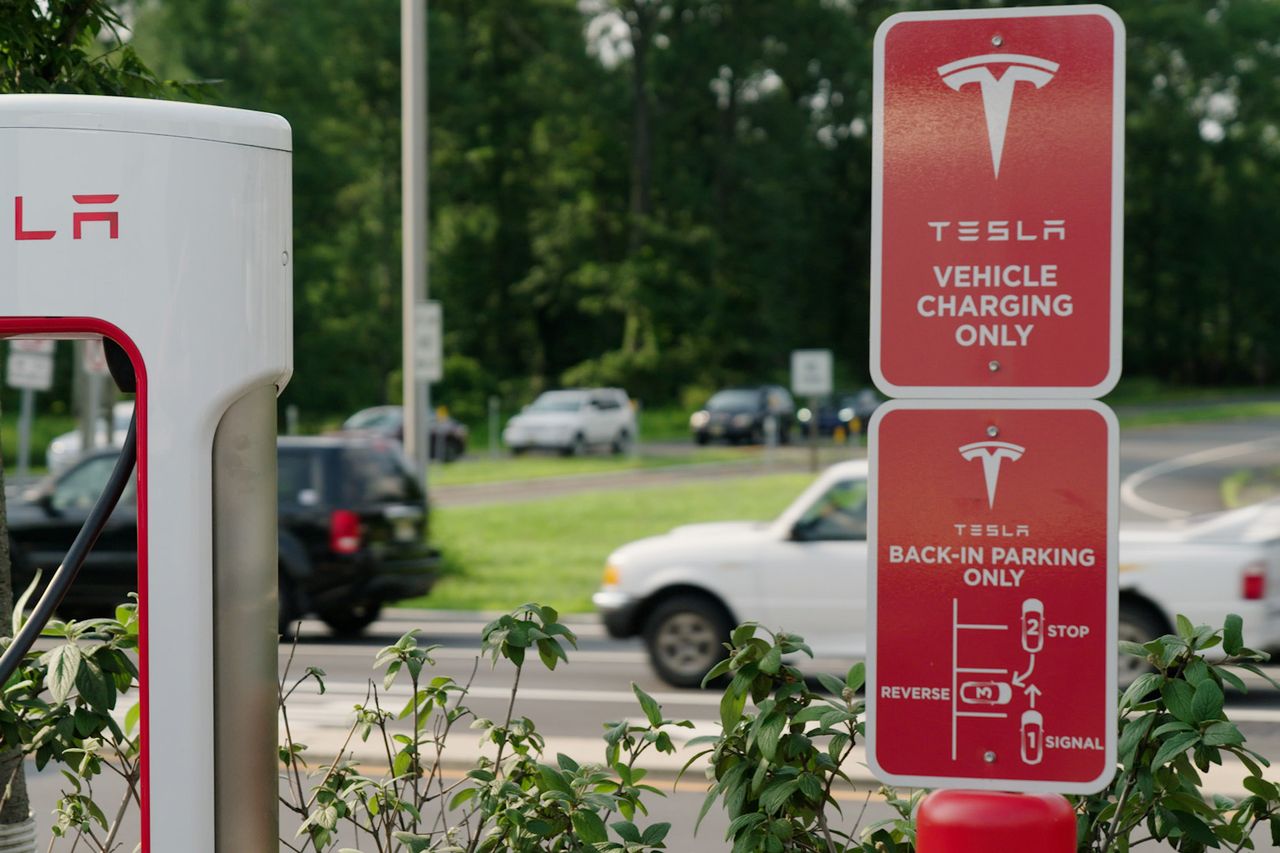
Tesla displays clear instructions on how to back into your Supercharger spot. PHOTO: KENNY WASSUS/THE WALL STREET JOURNAL
Again, you learn when it’s your own car. What’s not as easy to get used to? Reversing into a spot to plug in, a must at many charging stations with shorter cords.
Let me be clear, this is guidance, not a gripe fest. You’ll love driving an EV…as soon as you figure out how to get inside and turn it on.
Copyright 2020, Dow Jones & Company, Inc. All Rights Reserved Worldwide. LEARN MORE
BNW Developments has established a Sydney presence, joining Arada and Sobha Realty among the growing number of UAE developers pursuing Australian buyers and development opportunities.
The Australian leather house has opened an immersive four-day pop-up in Manhattan, unveiling its Bloom Collection and redefining what a product launch can look like.
Related Stories
Lifestyle
AI Agents Are a Threat to Travel Businesses. Airbnb Could Still Be a Winner.
By David Wainer 13/10/2026
Lifestyle
Amazon in Talks to Buy AI Startup Decart for Around $7 Billion
By Kate Clark and Lauren Thomas 12/10/2026
Lifestyle
Dolly Parton’s Onetime Hollywood Hills Home Lists for the First Time in a Generation Asking $7.95M
AI-powered travel agents are challenging online booking platforms, but Airbnb’s exclusive listings and direct customer relationships could give it an edge. Its next challenge: turning repeat guests into loyal customers through stronger rewards and innovation.
By David Wainer
Tue, Oct 13, 2026 3min
AI agents like Muse can already find you the cheapest hotel room in Paris. But they can’t locate a cheaper version of that Catskills cabin you’ve been eyeing, because it might only be available on AirbnbABNB -1.43%decrease.
Airbnb, though, has a real chance to emerge as a winner from the upheaval. The catch: Its stock already reflects above-industry growth. To justify its valuation, Airbnb will need to turn repeat customers into loyal ones.
Online travel companies make much of their money by simplifying search and collecting fees on bookings. AI agents threaten that model.
But not all travel marketplaces are equally exposed. Booking and Expedia largely sell hotel rooms that travelers can also book directly or through competing sites. If an agent can find the same room elsewhere, it has little reason to favor either Booking or Expedia.
Booking and Expedia also sell sponsored listings that steer travelers toward particular properties. Wells Fargo estimates those will account for about 8% of Expedia’s revenue and a much higher percentage of profit next year.
Airbnb has more ways to adapt. More than half its listings are available only on its platform, and more than 90% of its traffic comes directly to its app or website.
The customer relationship doesn’t end after booking, either. Bernstein analyst Richard Clarke notes that 90% of Airbnb guests go on to message their hosts about arrival times, keys or local taxes, giving Airbnb a connection to both sides of the transaction.
How the companies have responded to the possible agentic future is telling.
Expedia quickly signed on as a Muse partner. Airbnb hasn’t, and Chief Executive Brian Chesky says AI chatbots have so far been a boon, sending customers to Airbnb’s website.
Chatbots might work for buying paper towels, he quipped at a Skift conference last month, but people enjoy planning trips. He argued that browsing dozens of homes isn’t something a text-based chatbot is well suited for.
Still, the AI jitters arrived just as Airbnb was persuading investors it deserved its pricey multiple. For years after its 2020 initial public offering, the stock—which trades around 25 to 30 times forward earnings—went nowhere. Investors saw a mature operator trading at a growth premium.
This year, Airbnb growth seems to be accelerating. The stock jumped in August after the company raised its full-year revenue-growth guidance with its second-quarter results. Wells Fargo analyst Ken Gawrelski credits a run of product improvements under a revamped leadership team.
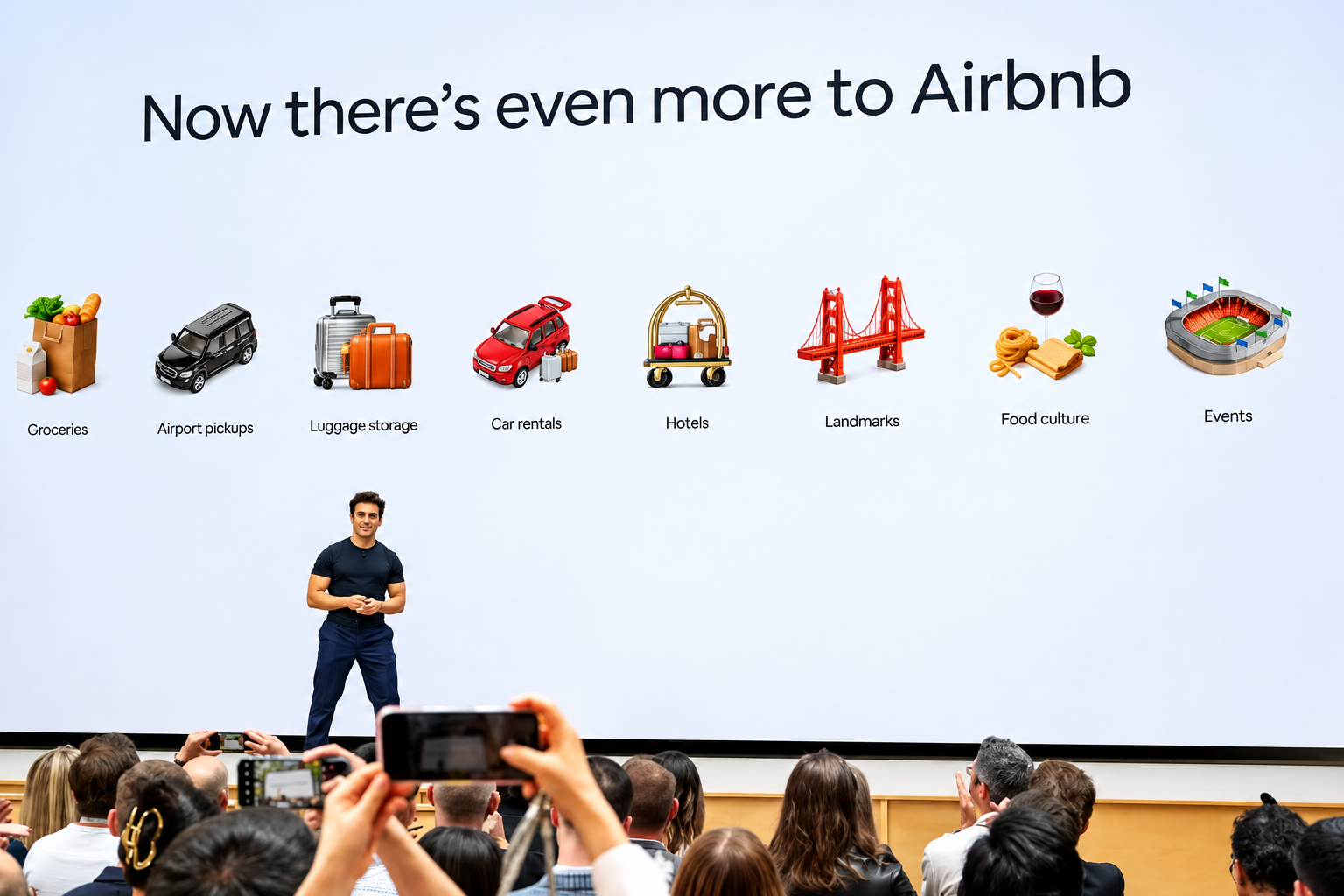
Among the changes: letting guests reserve now and pay later, adding hotels, and a redesigned home page and app. Investors were also betting on what comes next, including thousands more hotels, car rentals and, eventually, advertising.
The irony is that some of those growth drivers push Airbnb closer to the kind of business Booking and Expedia run—the kind of business AI agents could threaten. Even if AI agents capture a large share of travel planning and booking, Airbnb would capture the demand. But it and others would slowly lose control over how customers find and choose properties.
That would undermine the advertising opportunity investors are counting on. The bigger point for Airbnb and other marketplaces is that losing control of customer acquisition could mean surrendering some of their pricing power and margins.
To bulletproof itself, Airbnb might look to another e-commerce giant that has so far kept AI agents at arm’s length: Amazon.
Like Amazon, Airbnb has a loyal customer base and hard-to-match supply. But it has nothing like Prime membership to make customers think twice before taking their business elsewhere.
That is where loyalty comes in. Business travelers stick with Hilton or Marriott because enough nights earn them perks. Leisure travelers rarely accumulate stays with one chain. Airbnb has millions of listings and plenty of repeat customers, but no broad rewards program. It has begun experimenting with credits on hotel stays, but it should make loyalty a priority, not just a promotion.
Airbnb also plans to launch its own AI agent next year. But travelers using an agent might still want it to search Airbnb, Vrbo, Booking and hotel websites alike, rather than limit itself to one company’s inventory.
Eventually, Airbnb might have to strike deals with agent makers, using its unique homes as leverage to negotiate favorable terms, says Gawrelski. Such deals, along with rewards for loyal guests, could over the long term eat into the company’s roughly 13% take rate, he adds. But if they bring in enough additional bookings, the trade-off could be worthwhile.
History offers a reason not to panic. The shift from desktop to mobile unsettled investors in Alphabet and Amazon, but both emerged as major beneficiaries. Companies with valuable assets can come out of a platform shift stronger, if they adapt quickly enough.
Airbnb has homes the bots can’t easily replace. Now it needs to give guests a reason to insist on booking them there.



 4 min
4 min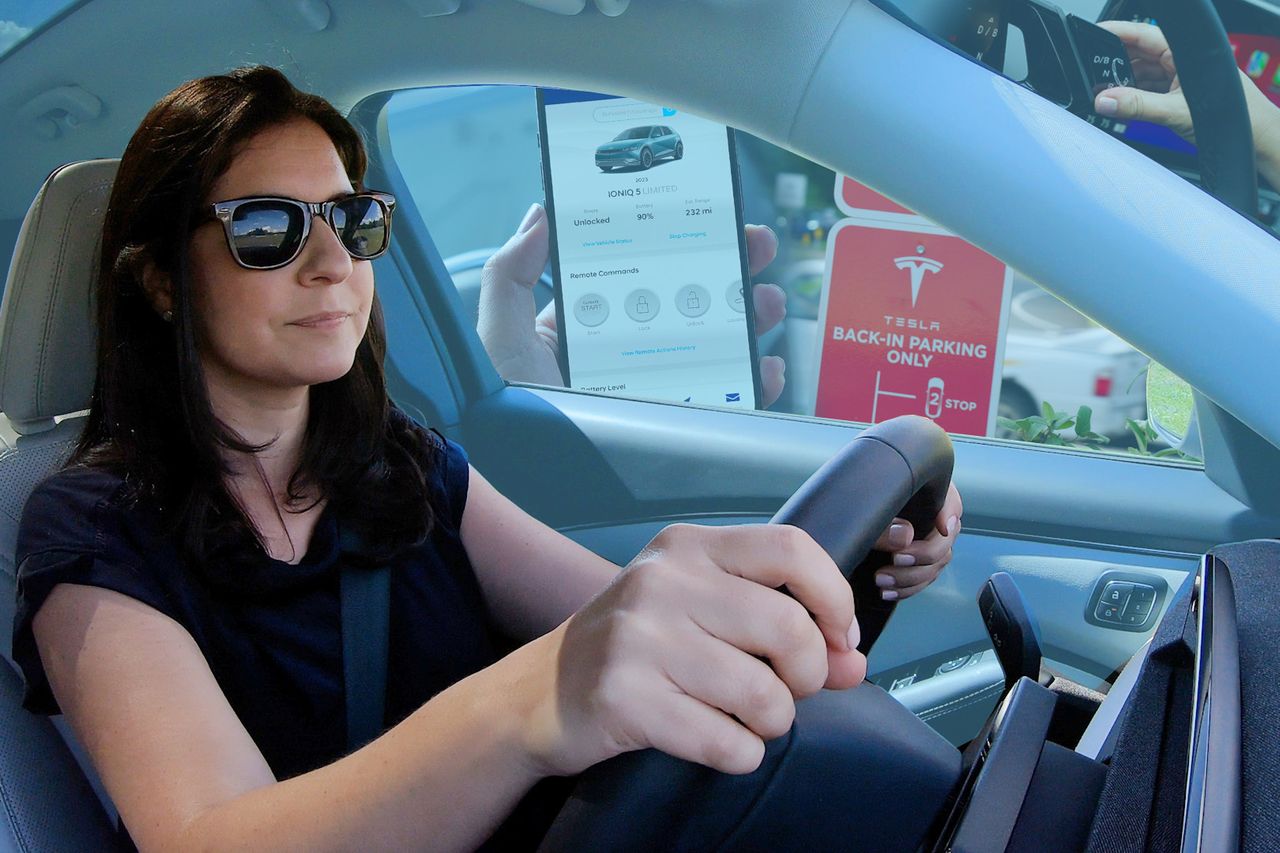
 Copyright 2020, Dow Jones & Company, Inc. All Rights Reserved Worldwide.