THE EAST COAST CAPITAL SETTING THE PACE IN THE AUSTRALIAN REAL ESTATE MARKET
Property prices are tipped to hit a $A1 million median as the city attracts a skilled workforce from other states
Australia has a new urban destination for those seeking a high quality of life — and it’s not Melbourne or Sydney.
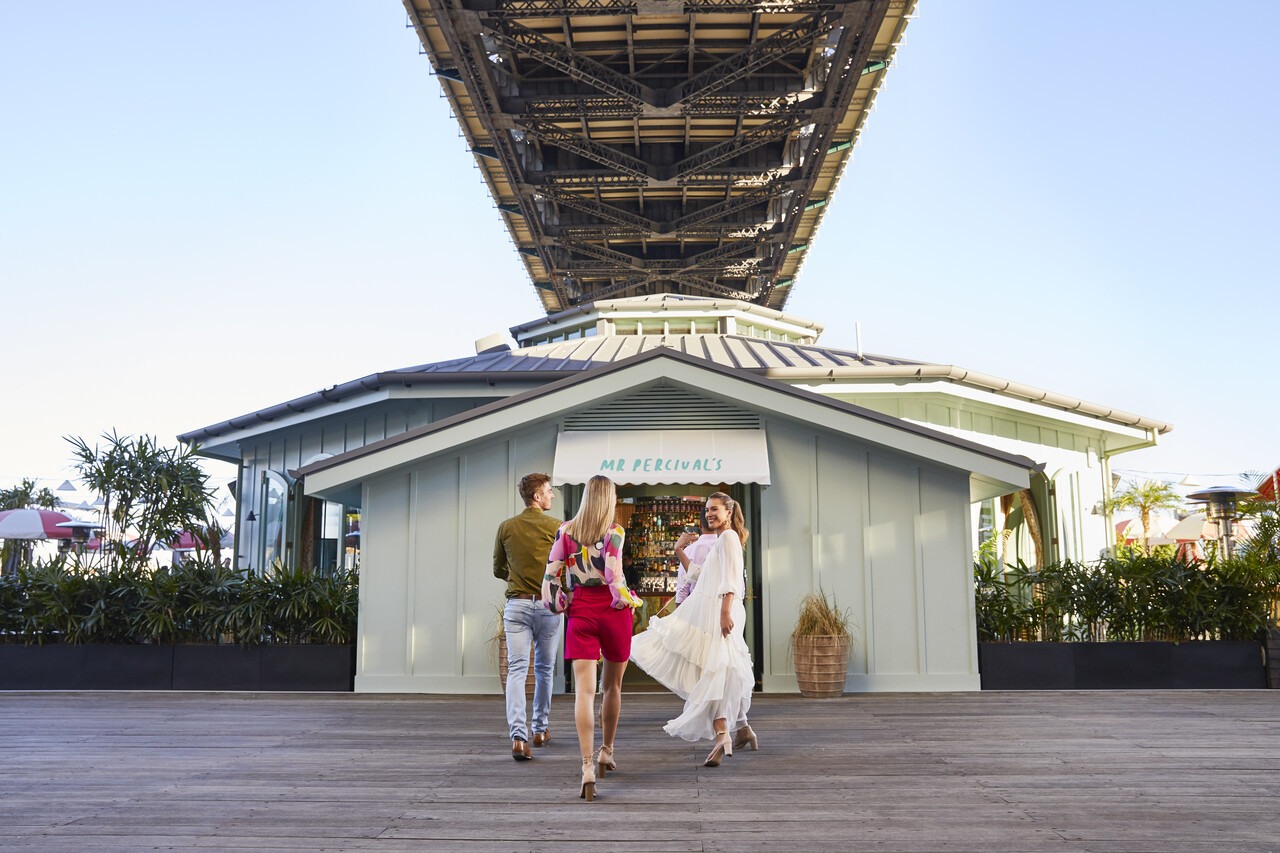
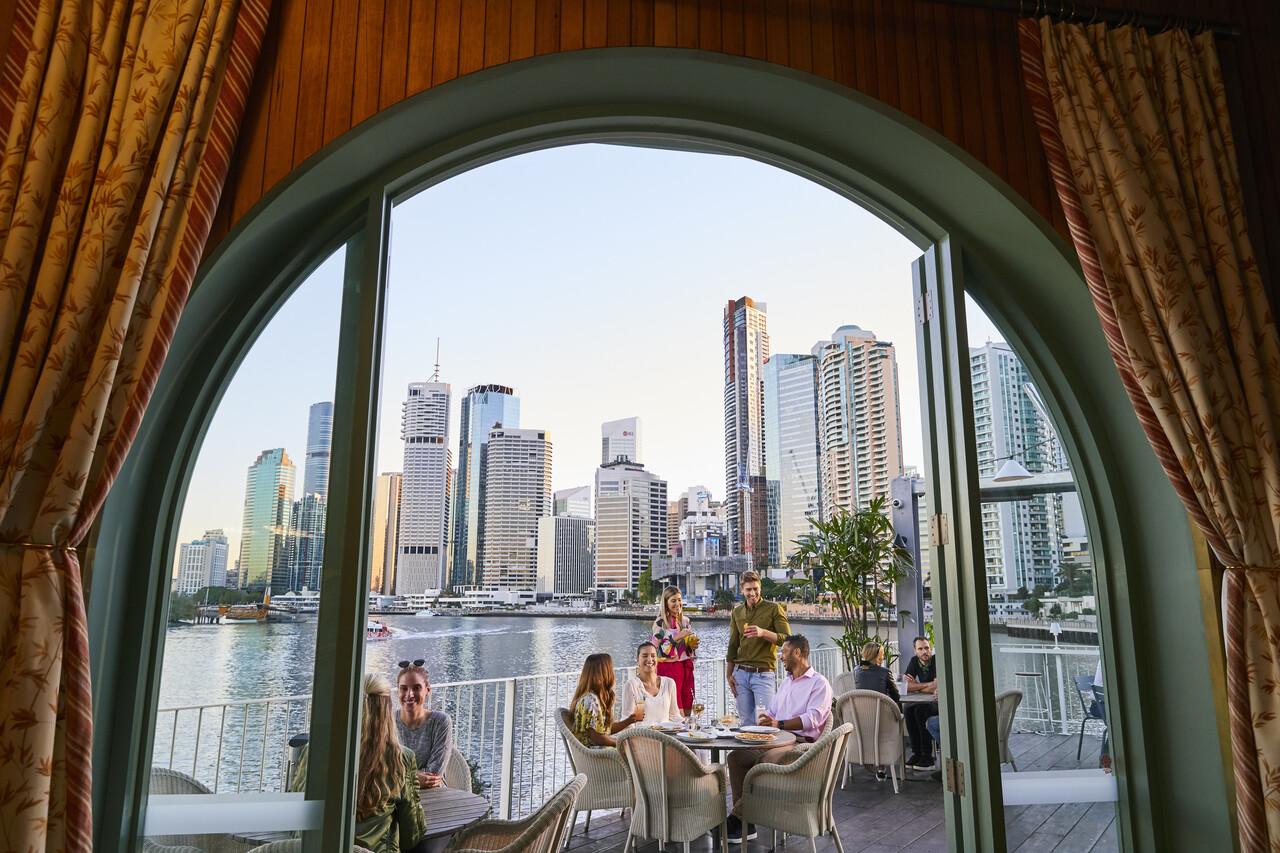
A new report released by Deloitte Access Economics has revealed Brisbane as the best ‘city swap’ location to live and work. It follows on from the east coast capital being named as one of the 50 best places in the world by Time Magazine, the only Australian capital to make the list.
The State of the Cities Report by Deloitte Access Economics reported the city offers significant advantages to businesses and workers alike, with a $25 billion infrastructure pipeline in play to support the city’s rapid population growth as well as a track record of processing development applications 38 percent faster than other cities. Commercial rents are also appealing compared with the southern cities, averaging $450sqm less than similar centres in Australia and internationally.
For workers, commute times are minimised with less congestion on the roads and trains more likely to run on time compared with other Australian cities.
The report also found that Brisbane’s economy is set to grow by 68 percent to $275 billion in the 20 years to 2041.

Clearly, it is not news to those seeking to enter the Brisbane market, with CoreLogic data released this week showing the Queensland capital is now the second most expensive residential real estate market in the country, second only to Sydney. Prices rose by 1.4 percent during May, bringing the median property price to $843,231. Only Adelaide experienced a higher growth rate in home prices in May at 1.8 percent.
Those price increases look set to continue as Brisbane experiences the fastest growing working age population among Australia’s major centres, growing 7.7 percent compared to an average of 4 percent across major cities. The Domain House Price Report released earlier this year predicted the median house price Queensland capital would hit $1 million in the next 12 months.
While demand for housing in the city is strong, it would appear the workforce is there to support it.

Lead Partner at Deloitte Access Economics, Pradeep Philip, said Brisbane offered significant growth opportunities for businesses, innovators, and investors.
“Brisbane is the definition of a growth stock, with clear opportunities for innovators, investors and businesses across Australia and internationally in the years to come,” Mr Philip said.
“This is evident in Brisbane’s talent market, where it has the fastest growing working age population among Australia’s major centres, with 7.7 percent growth against an average of 4 percent across major cities.
“This, combined with Australia’s highest ranked university, a 32 percent increase in university graduates in the past five years, and the highest state-wide rates of technical and trades education attainment in the country, positions Brisbane with a highly competitive, skilled, and growing workforce.
Rugged coastal drives and fireside drams define a slow, indulgent journey through Scotland’s far north.
A haven for hedge-fund titans and Hollywood grandees, Greenwich is one of the world’s most expensive residential enclaves, where eye-watering prices meet unapologetic grandeur.
Australia’s wealthy class is expanding fast, and Knight Frank says that a surge in billionaires is reshaping the nation’s luxury property market.
Australia’s luxury property market is being quietly reshaped by one of the most significant wealth expansions in the world.
According to Knight Frank’s latest Wealth Report, the country’s billionaire population is set to grow by 77 per cent over the next five years, rising from 48 to 85 individuals.
That surge sits within a broader wave of wealth creation. Ultra-high-net-worth individuals, those with more than US$30 million, are forecast to increase by nearly 60 per cent to over 26,000 Australians by 2031.
Globally, the pace is accelerating. The report reveals that 89 new ultra-wealthy individuals are created every day, a figure that underscores a structural shift in capital formation rather than a cyclical upswing.
For luxury property markets, this is not just a headline number. It is a demand driver.
Australia’s wealth story is increasingly underpinned by diversification across resources, finance, technology and services, creating a depth of private capital that is both mobile and strategic.
And mobility is key. The ultra-wealthy are no longer tied to a single market. Instead, they are operating across multiple global hubs, maintaining footholds in cities like London, New York and Singapore, while using Australia as a stable base.
In this environment, real estate becomes less about shelter and more about positioning. Trophy assets remain desirable, but capital is increasingly being deployed across the full risk spectrum, from long-term holds to value-add opportunities. For Australia, the implications are clear. As wealth expands, so too does the expectation of product, and the locations that can attract it.
The billionaire effect
While property remains central to wealth preservation, the latest data shows that capital is increasingly spreading across luxury asset classes, albeit with a more disciplined approach.
Knight Frank’s Luxury Investment Index recorded a modest 0.4 per cent decline in 2025, signalling a stabilisation phase after several years of correction.
But beneath that headline number is a more telling shift. Collectors are moving away from speculative buying and toward assets defined by rarity, provenance and cultural significance.
Impressionist art led the market, rising 13.6 per cent, buoyed by landmark sales including a US$236 million Klimt painting. Watches also performed strongly, up 5.1 per cent, driven by continued demand for brands like Patek Philippe and Rolex.
At the same time, more volatile categories have corrected. Whisky values fell 10.9 per cent, while parts of the fine wine market have softened following pandemic-era highs.
Perhaps the most notable trend is behavioural. Younger investors are entering the market through fractional ownership platforms, gaining exposure to high-value assets that were once out of reach.
For property, the parallels are clear. The same focus on scarcity, narrative and long-term value is increasingly shaping buying decisions at the top end of the residential market.
Global wealth
The growth in billionaires is not just increasing demand, it is changing where that demand is directed.
In Australia, Brisbane has emerged as one of a handful of global cities experiencing rapid change in its luxury positioning. The city’s transformation is being driven by infrastructure investment and the 2032 Olympics, with top-end apartment prices rising from around US$6 million to more than US$10 million in just 12 months.
Luxury price growth has remained steady, with Brisbane rising 2.1 per cent in 2025, while the Gold Coast recorded 2.8 per cent.
At the same time, buying power is tightening. US$1 million now buys 5 per cent less in Brisbane than it did five years ago, reflecting the upward pressure on prime markets.
The trend is not confined to capital cities. Regional lifestyle markets are also capturing attention. Geelong’s waterfront has been identified as one of the world’s hottest luxury residential markets, driven by a combination of coastal amenity, infrastructure and relative value.
In these markets, pricing is no longer the sole driver. Lifestyle, accessibility and long-term growth are increasingly shaping buyer decisions, particularly among globally mobile wealth.
Alternative luxury assets
Beyond residential property, high-net-worth individuals are continuing to diversify into alternative assets that combine lifestyle and investment potential.
One of the most compelling examples is vineyard investment. Knight Frank’s Global Vineyard Index highlights the Barossa Valley as one of the best-value wine regions globally, where US$1 million can secure more than 18 hectares of land.
Despite a 10 per cent decline in land values over the past year, the broader outlook remains positive, particularly as the global wine industry shifts toward premiumisation.
This “trading up” trend is seeing consumers favour higher-quality, provenance-driven wines over mass-market products, reinforcing the long-term appeal of established regions like the Barossa and Eden Valleys.
For investors, the appeal lies in the intersection of lifestyle and capital preservation. Vineyard assets offer not only production potential, but also a narrative — something increasingly valued in a market where experience and authenticity carry weight.