
I.M. Pei’s Son Speaks of His Father’s Legacy of Creating ‘Places for People’ Ahead of a Retrospective in Hong Kong

By ABBY SCHULTZ
Wed, Jun 12, 2024 9:50am 5 min
5 min
5 min

 5 min
5 min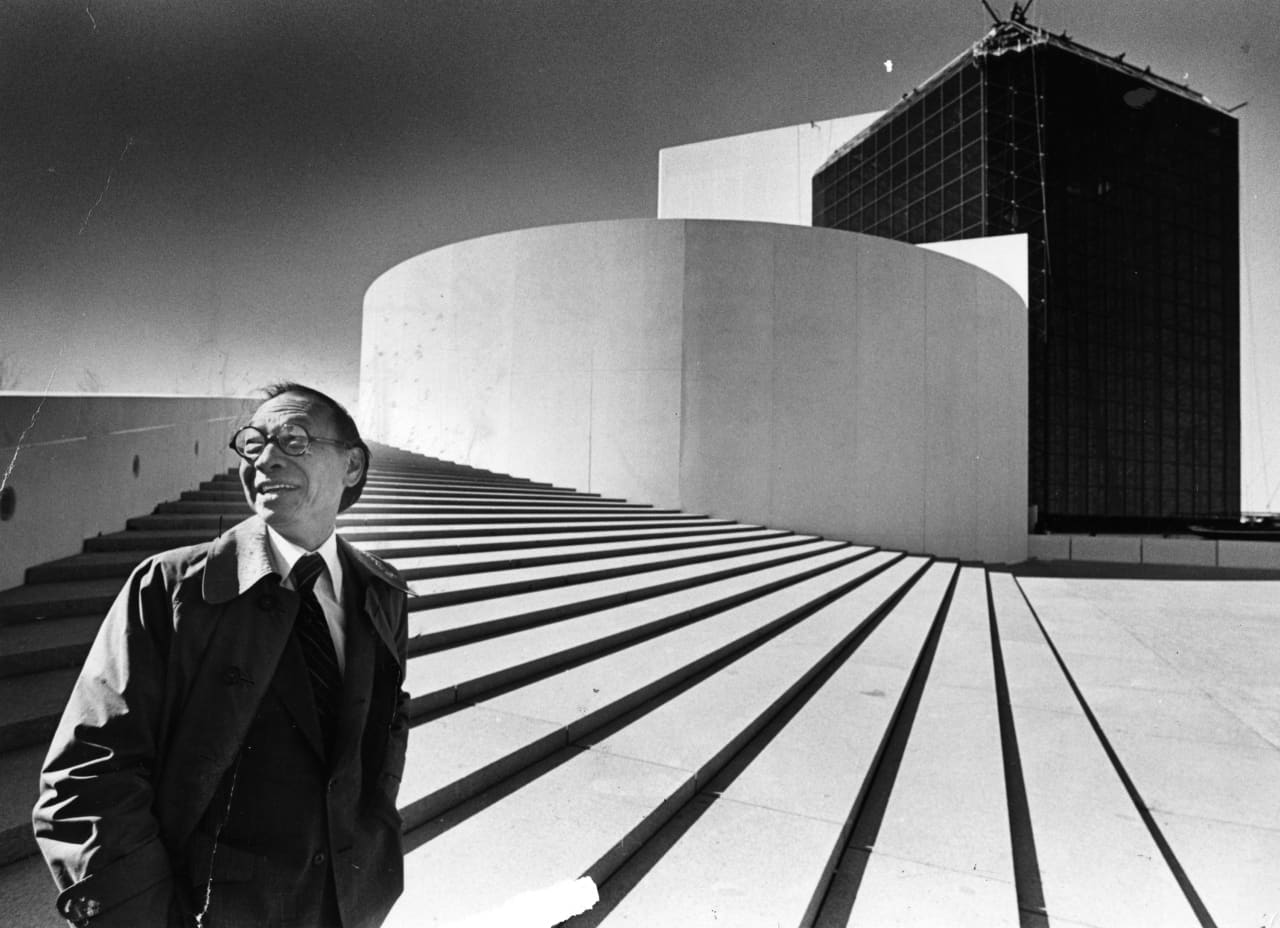
I.M. Pei was the confident visionary behind such transformative structures as the Bank of China Tower in Hong Kong and the Louvre Pyramid in Paris, but he was also humble, and for years resisted a retrospective of his work.
Pei, a Chinese-American architect who died in 2019 at 102 , would always protest any suggestion of a major exhibition, saying, “why me,” noting, too, that he was still actively at work, recalls his youngest son, Li Chung “Sandi” Pei. A decade ago, when Pei was in his mid-to-late 90s, he relented, finally telling Aric Chen, a curator at the M+ museum in Hong Kong, “all right, if you want to do it, go ahead,” Sandi says.
A sweeping retrospective, “I.M. Pei: Life Is Architecture,” will open June 29 at M+ in the city’s West Kowloon Cultural District. The exhibition of more than 300 objects, including drawings, architectural models, photographs, films, and other archival documents, will feature Pei’s influential structures, but in dialogue with his “social, cultural, and biographical trajectories, showing architecture and life to be inseparable,” the museum said in a news release.
As a Chinese citizen who moved to the U.S. in 1935 to learn architecture, Pei—whose full first name was Ieoh Ming—brought a unique cultural perspective to his work.
“His life is what’s really interesting and separates him from many other architects,” Sandi says. “He brought with him so many sensibilities, cultural connections to China, and yet he was a man of America, the West.”
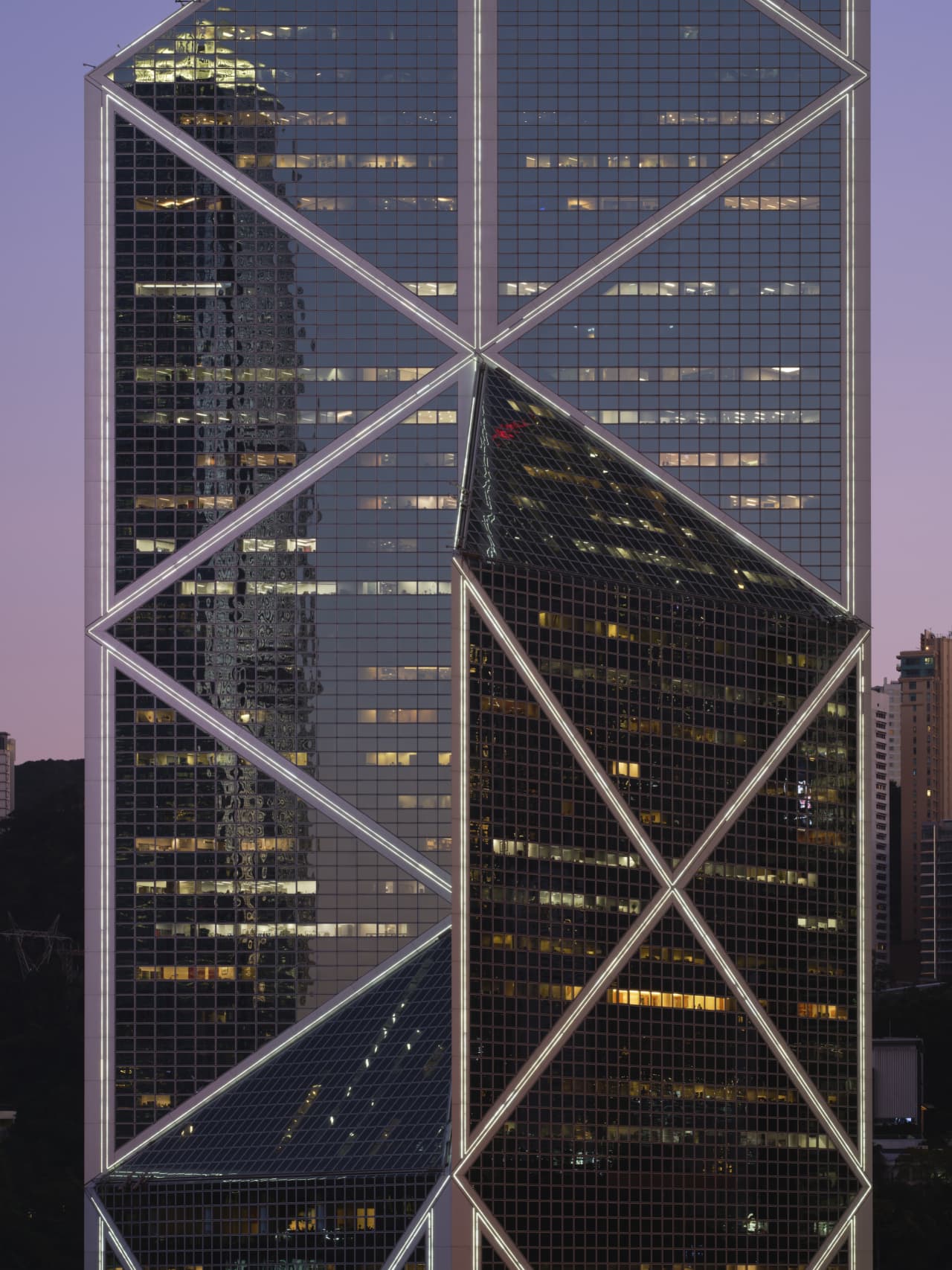
Pei’s architectural work was significant particularly because of its emphasis on cultural institutions—from the East Building of the National Gallery of Art in Washington, D.C., to the Museum of Islamic Art in Doha, Qatar—“buildings that have a major impact in their communities,” Sandi says. But he also did several urban redevelopment projects, including Kips Bay Towers in Manhattan and Society Hill in Philadelphia.
“These are all places for people,” Sandi says. “He believed in the importance of architecture as a way to bring and celebrate life. Whether it was a housing development or museum or a tall building or whatever—he really felt a responsibility to try to bring something to wherever he was working that would uplift people.”
A critical juncture in Pei’s career was 1948, when he was recruited from the Harvard Graduate School of Design (where he received a master’s degree in architecture) by New York real estate developer William Zeckendorf.
With Zeckendorf, Pei traveled across the country, meeting politicians and other “movers and shakers” from Denver and Los Angeles, to Philadelphia, Washington D.C., Boston, and New York. “He became very adept at working in that environment, where you had to know how to persuade people,” Sandi says.
During the seven-year period Pei worked with Zeckendorf, the developer fostered the growth of his architecture practice, supporting an office that included urban, industrial, graphic, and interior designers, in addition to architects and other specialists, Sandi says.
When Pei started his own practice in 1955, “he had this wealth of a firm that could do anything almost anywhere,” Sandi says. “It was an incredible springboard for what became his own practice, which had no parallel in the profession.”
According to Sandi, Chinese culture, traditions, and art were inherent to his father’s life as he grew up, and “he brought that sensibility when he came into America and it always influenced his work.” This largely showed up in the way he thought of architecture as a “play of solids and voids,” or buildings and landscape.
“He always felt that they worked together in tandem—you can’t separate one from the other—and both of them are influenced by the play of light,” Sandi says.
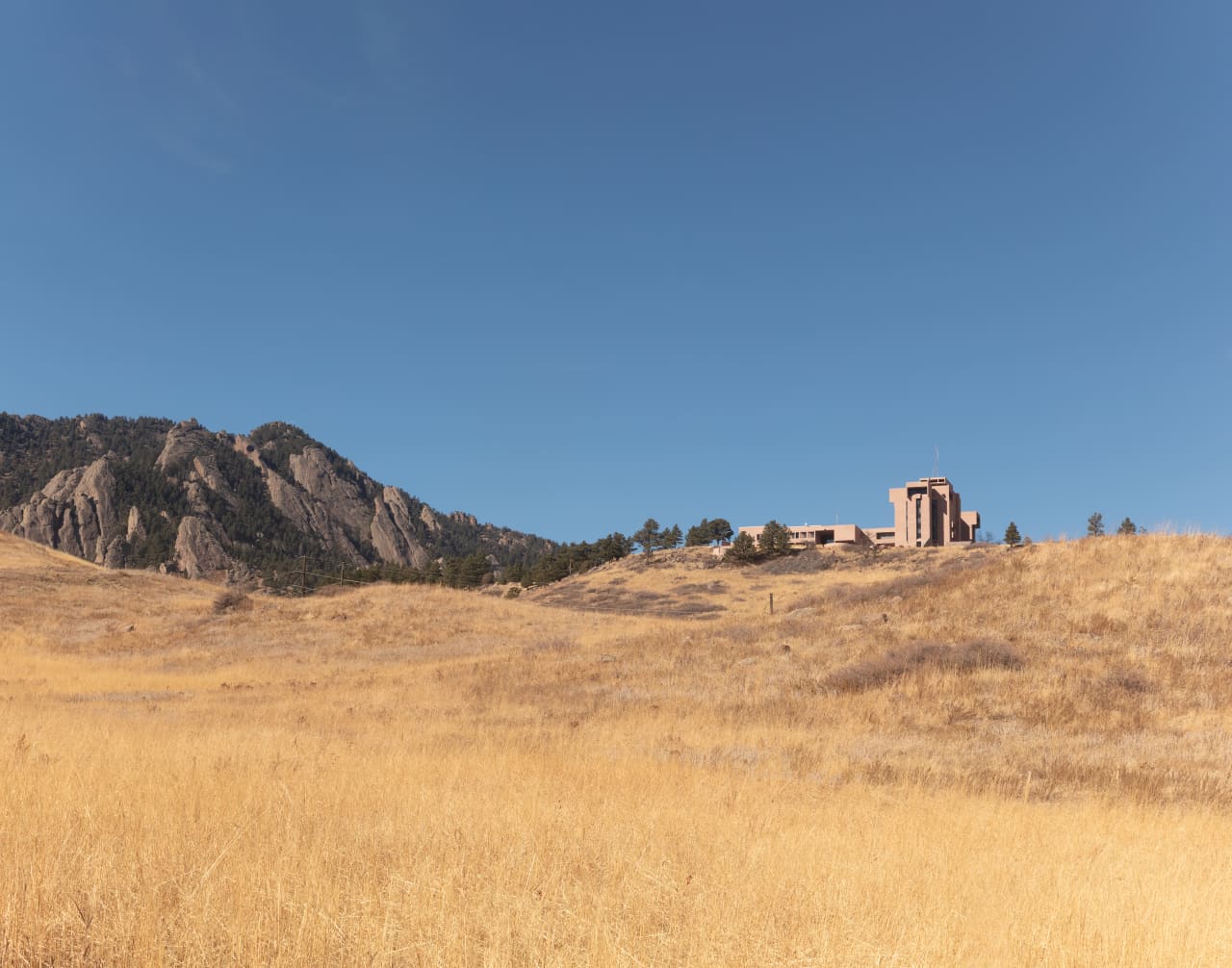
Pei also often said that “architecture follows art,” and was particularly influenced by cubism, an artistic movement exploring time and space that was practiced in the early 20th century by Pablo Picasso, Georges Braque, and the sculptor Jacques Lipchitz, among others. This influence is apparent in the laboratory at the National Center for Atmospheric Research in Boulder, Colo., and at the Everson Museum of Art in Syracuse, N.Y. “Those two buildings, if you look at them, have a play of solid and void, which are very cubistic,” Sandi says.
Yet Sandi argues that his father didn’t have a specific architectural style. Geometry may have been a consistent feature to his work, but his projects always were designed in response to their intended site. The resulting structure emerged as almost inevitable, he says. “It just was the right solution.”
Pei also intended his buildings “not only to be themselves a magnet for life,” but also to influence the area where they existed. “He never felt that a building stood alone,” Sandi says. “Urban design, urban planning, was a very important part of his approach to architecture, always.”
After he closed his own firm to supposedly “retire” in the early 1990s, Pei worked alongside Sandi and his older brother, Chien Chung (Didi) Pei, who died late last year, at PEI Architects, formerly Pei Partnership Architects. Pei would work on his own projects, with their assistance, and would guide his sons, too. The firm had substantial involvement in the Museum of Islamic Art, among other initiatives, for instance, Sandi says.
Working with his father was fun, he says. In starting a project, Pei was often deliberately vague about his intentions. The structure would coalesce “through a process of dialogue and sketches and sometimes just having lunch over a bottle of wine,” Sandi says. “He was able to draw from each of us who was working on the project our best efforts to help to guide [it] to some kind of form.”
The M+ retrospective, which will run through Jan. 5, is divided into six areas of focus, from Pei’s upbringing and education through to his work in real estate and urban redevelopment, art and civic projects, to how he reinterpreted history through design.
Sandi, who will participate in a free public discussion moderated by exhibition co-curator Shirley Surya on the day it opens, is interested “in the opportunity to look at my father anew and to see his work in a different light now that it’s over, his last buildings are complete. You can take a full assessment of his career.”
And, he says, “I’m excited for other people to become familiar with his life.”
 Copyright 2020, Dow Jones & Company, Inc. All Rights Reserved Worldwide. LEARN MORE




BNW Developments has established a Sydney presence, joining Arada and Sobha Realty among the growing number of UAE developers pursuing Australian buyers and development opportunities.
The Australian leather house has opened an immersive four-day pop-up in Manhattan, unveiling its Bloom Collection and redefining what a product launch can look like.
A vibrant 1954 Palm Springs home featuring eight colorful murals by late artist Shawn Savage is on the market for $2.295 million. The 2,237-square-foot property features bold hot-pink doors, three bedrooms, a pool, mountain views and playful interiors blending modern glamour with classic Palm Springs style.
3 min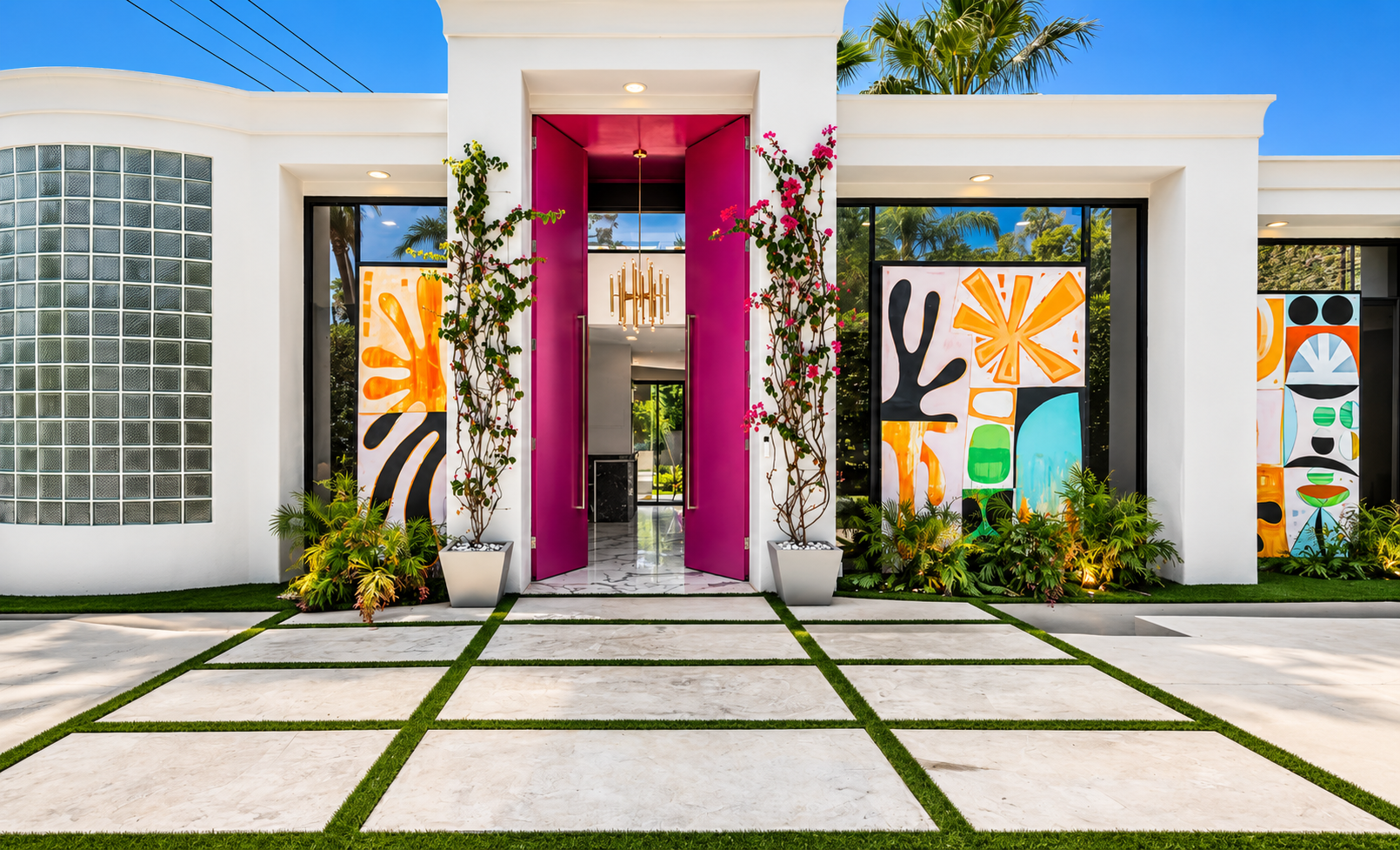
A bold 1950s home in Palm Springs, California, adorned with eight colorful murals by the late artist Shawn Savage, is coming to market ahead of the city’s annual Modernism Week.
The white stucco home on El Camino Way, built in 1954 and recently renovated, has an asking price of $2.295 million. Its staggered facade features three playfully abstract murals on either side of double-height hot pink doors.
MORE: Megamansion Outside Princeton, N.J., With a Pub and Two-Story Library Heads to Auction
The sellers are Los Angeles-based partners John Freeman and Mathieu Faure, who knew it was “the one” when they saw it after several months of searching in the winter of 2023. “It’s a happy house,” Freeman said. “We really liked the feel of the house: the uniqueness, the openness, the brightness—and the art.”
Located in the Mesa neighborhood of Palm Springs, which backs up to the San Jacinto Mountains, the 2,237-square-foot house features three bedrooms, an angled bonus room and a yard with a pool, desert mountain views and another colorful mural running alongside the pool.
“I never thought in my life I would have a house with pink doors,” said Faure, a producer at Apple TV who is originally from Paris. “It’s so colorful, it’s so different. And so Palm Springs.”
The layout of the home creates a smooth flow from the front doors through the open-plan common area—a foyer, bar, and living and dining room—into the kitchen around a fireplace wall and out to the yard. A corridor leads to a private bedroom wing, where the primary suite has floor-to-ceiling windows and the primary bath is only a tad smaller than the bedroom.
Faure has filled the home with Jonathan Adler furniture, rugs and accessories, riffing on the energetic California vibes of the house to create an aesthetic of “modern American glamour,” he said.
“It was enjoyable for me to play with different types of furniture and make this house ‘happy chic,’ as I describe it,” he said.
MORE: Beverly Hills Villa of Late Philanthropist Glorya Kaufman Sells for $19.25 Million
“He did a fantastic job,” said Freeman, who is an attorney and consultant. “It does kind of bring a smile to my face whenever I walk into the house.”
Since the furniture and decor were chosen for the particularities of the space, the couple is open to selling them with the home. Their West Hollywood house is already furnished; the collection doesn’t match the vibes of a Houston loft they bought near family; and Faure can’t imagine these pieces in New York—where he’s lived in the past—he said.
The duo bought the Palm Springs house for $1.925 million in 2024, according to property records, and will list the home Monday. They are represented by Stewart Smith, Patrick Jordan and Kevin Stanley of Bennion Deville Homes/Luxury Portfolio International.
The previous owners had purchased the home in 2021 for $975,000 and then spent more than two years and $700,000 on the renovation, according to Realtor.com. They commissioned Savage, a local Palm Springs artist and painter known for his joyful abstract work, to decorate the home.
MORE: Alpine Villa From Lady Gaga Movie ‘House of Gucci’ Lists for €2.9 Million
Savage, who died in 2024, lived in the Coachella Valley from 2003, and his work can be found in various local institutions and is on exhibit at the Illumine Gallery in Palm Springs. “Some artists pass through a place. Shawn Savage became a part of it,” the gallery’s description states.
Unsurprisingly, the murals invite lots of friendly conversations, as well as guided tours and interested lookers, but never to a degree that it disturbed the peacefulness of their home or the neighborhood, the sellers said. “It felt like living in an art gallery, and you have the exterior that you would share with the world,” Faure explained.
The neighborhood also played a role in their decision to buy, because of its access to the hiking trails of the San Jacinto Mountains, the lack of through-roads and the neighborly environment.
“It’s a very friendly place,” Faure said.

