
High Gear—Luxury Bikes Are Making a Statement
By GEOFF NUDELMAN
Wed, Oct 30, 2024 8:51am 4 min
4 min
4 min

 4 min
4 min
At the highest end of the spectrum, bikes are becoming a statement piece. Colourful, vibrant frames stand as pieces of art, made from the most efficient materials and using the latest in innovative technology and engineering.
These bikes, often produced in limited quantities, aren’t just for show. They’re built for long touring days, conquering exceptionally tough climbs, and traversing the nearest rock garden.
It’s also a corner of the market that’s seeing steady growth even as the overall bike market experiences some post-pandemic correction. Technavio estimates that the high-end bike segment will grow by another $5 billion by 2028, fuelled by a pack of affluent riders looking for the latest and greatest they can get on two wheels.
There are also more customization options available than ever before. Bike companies can go over every little detail of the build, from customizing a model in stock to creating a truly bespoke bicycle from scratch. Even the most discerning cyclist can find themselves satisfied by the endless choices in a bike made specifically for them.
Today’s cycling trends cater to two extremes. On one end, there are the racing enthusiasts who want aggressive geometry, the lightest-weight construction, and aerodynamics wherever possible. On the other, there are those who want a more comfortable ride, but still with the best possible components and durability.
These bikes represent some of the best the industry currently has to offer, from off-the-shelf to a weeks-long bespoke process.
The biggest names in the business are getting in on the high-end game. This option from Trek features the customisation options that mountain bikers need, while also having the support of a national brick-and-mortar network for service and maintenance. The Top Fuel is also an example of the growing trend of in-frame tool storage to keep things out of the way, with the bonus of maintaining the aerodynamic engineering that helps riders go fast and get up steep climbs. This bike also has enduring flexibility, with more room for a larger shock and broader suspension range.
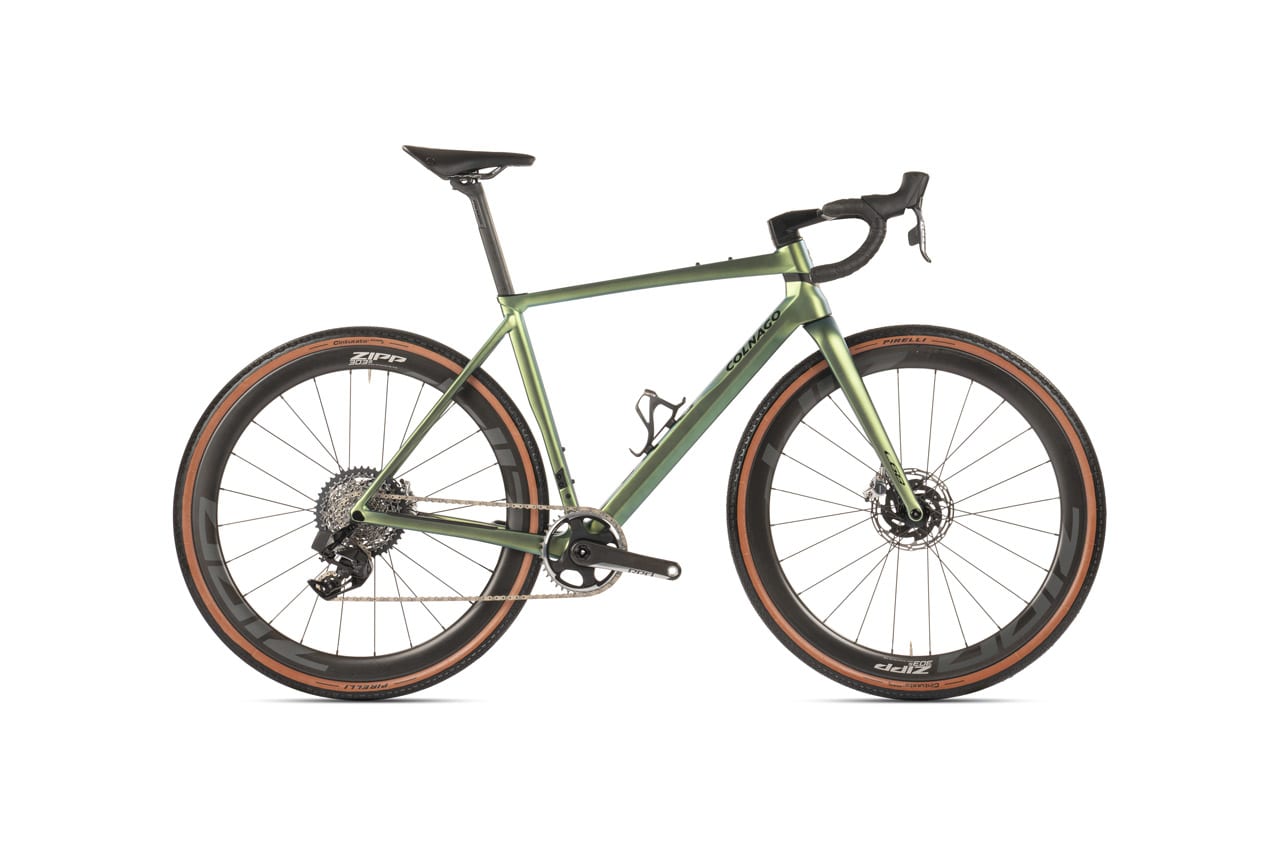
The Italians have a rich cycling history, and Colnago is no exception, with roots dating to 1954. Like most other bike brands, Colnago has adapted with the times and begun to build gravel-specific bikes meant to go off-road with ease, but maintain a step below full mountain biking. The C68 Gravel is the rare handbuilt, Italian-made gravel bike and the burliest of the brand’s flagship “C Series.” It is a full carbon fibre setup, with Colnago’s own handlebar layout, with two available colour options for the frame and three wheel choices.
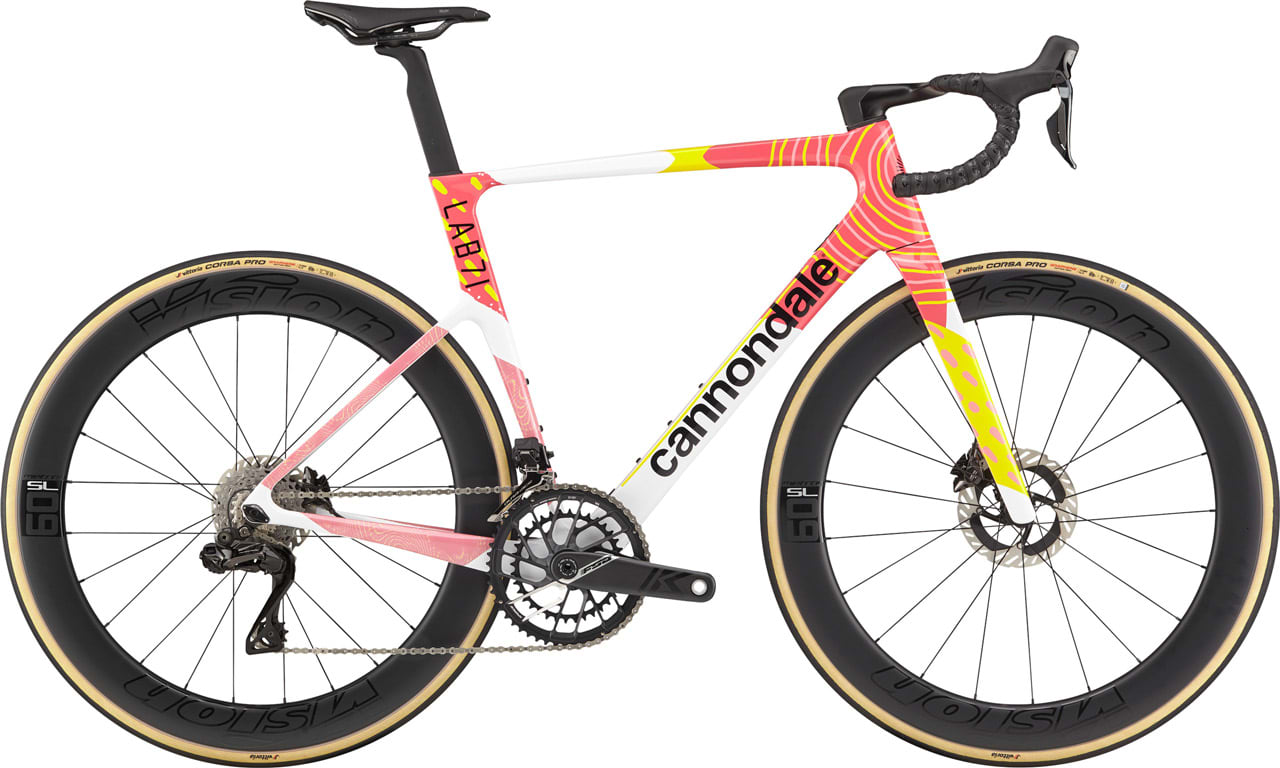
If you’ve ever wanted a chance to ride like the pros, this is it. Although several bike brands are offering a version of their Tour de France–competing models, there are few as striking as Cannondale’s offering. This bike is an exact replica of what EF Pro Cycling used throughout the 2024 Tour de France, securing the polka-dot jersey (best mountain climber) for one of its riders. LAB71 is part engineering experiment and part performance development for Cannondale, as the lineup has the brand’s lightest and most aggressive frames. As shown, the team edition features every possible upgrade, including a top-end drivetrain and a fully-integrated cockpit co-developed with MOMODesign.
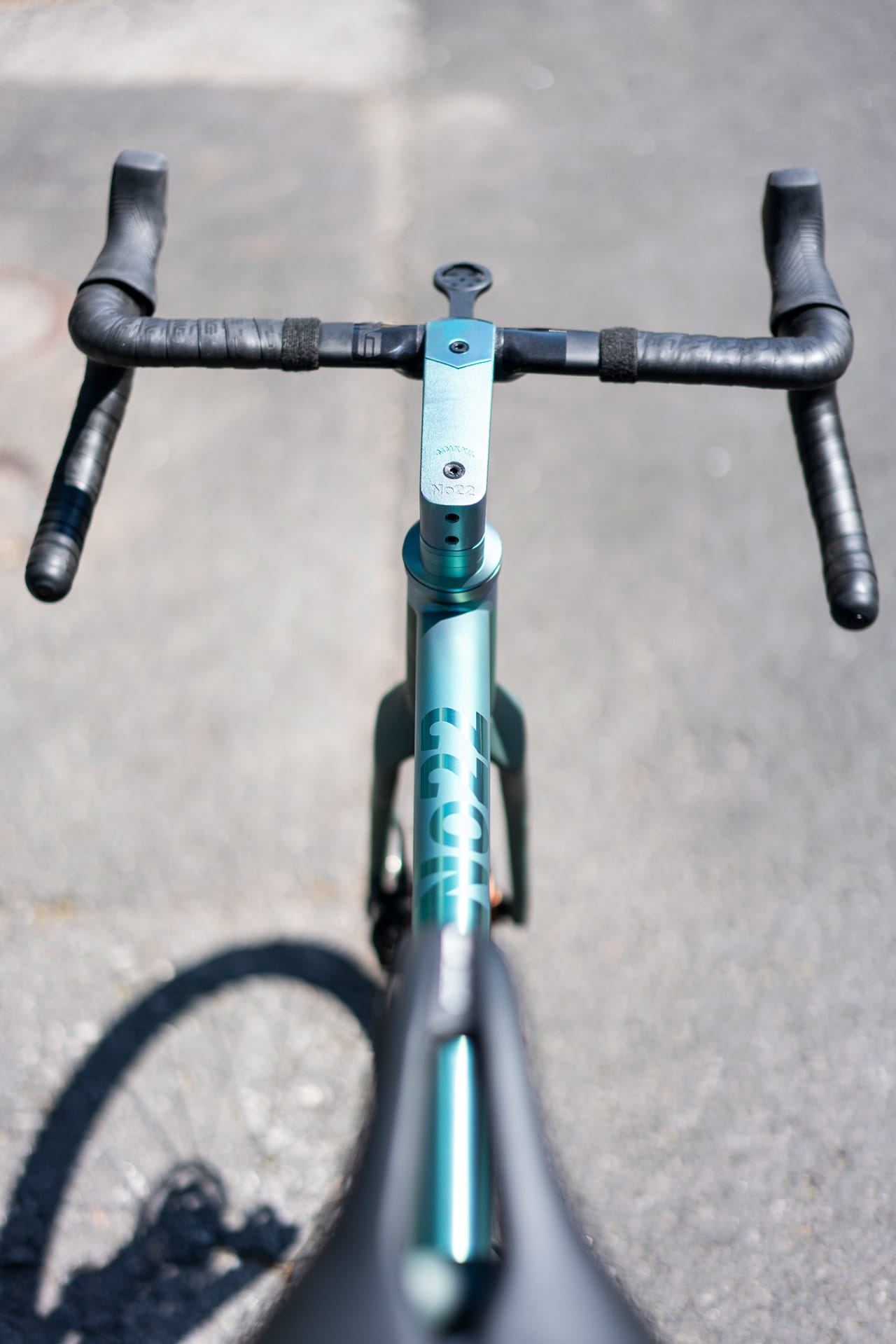
Titanium is more of an enthusiast’s choice for bike-frame construction as it offers a different ride quality compared to carbon fibre, but it also offers more options for total customisation. New York–based No. 22 Bicycles launched the Drifter X as a racier version of the Drifter model, with more flexibility to go further and faster on choppier terrain. Tire clearance between 28mm and 40mm puts this bike in a sweet spot for both pavement and gravel, with options to make cable routing semi- or fully integrated. Riders can also take advantage of several paint-finish options, including Cerakote, anodised, or keeping the frame finish “raw” in its purest state.No. 22 Bicycles also has a full bespoke program, where the company can tailor frames to the exact measurements of a specific rider.
This article originally appeared in the Fall Issue of Mansion Global Experience Luxury.
BNW Developments has established a Sydney presence, joining Arada and Sobha Realty among the growing number of UAE developers pursuing Australian buyers and development opportunities.
The Australian leather house has opened an immersive four-day pop-up in Manhattan, unveiling its Bloom Collection and redefining what a product launch can look like.
AI-powered travel agents are challenging online booking platforms, but Airbnb’s exclusive listings and direct customer relationships could give it an edge. Its next challenge: turning repeat guests into loyal customers through stronger rewards and innovation.
3 min
AI agents like Muse can already find you the cheapest hotel room in Paris. But they can’t locate a cheaper version of that Catskills cabin you’ve been eyeing, because it might only be available on Airbnb ABNB -1.43%decrease.
Investors should pay attention to that distinction. When Meta Platforms META 3.38%increase launched its Muse agent last month, travel stocks including Booking Holdings BKNG -1.19%decrease, Expedia and Airbnb all fell sharply.
Airbnb, though, has a real chance to emerge as a winner from the upheaval. The catch: Its stock already reflects above-industry growth. To justify its valuation, Airbnb will need to turn repeat customers into loyal ones.
Online travel companies make much of their money by simplifying search and collecting fees on bookings. AI agents threaten that model.
But not all travel marketplaces are equally exposed. Booking and Expedia largely sell hotel rooms that travelers can also book directly or through competing sites. If an agent can find the same room elsewhere, it has little reason to favor either Booking or Expedia.
Booking and Expedia also sell sponsored listings that steer travelers toward particular properties. Wells Fargo estimates those will account for about 8% of Expedia’s revenue and a much higher percentage of profit next year.
Airbnb has more ways to adapt. More than half its listings are available only on its platform, and more than 90% of its traffic comes directly to its app or website.
The customer relationship doesn’t end after booking, either. Bernstein analyst Richard Clarke notes that 90% of Airbnb guests go on to message their hosts about arrival times, keys or local taxes, giving Airbnb a connection to both sides of the transaction.
How the companies have responded to the possible agentic future is telling.
Expedia quickly signed on as a Muse partner. Airbnb hasn’t, and Chief Executive Brian Chesky says AI chatbots have so far been a boon, sending customers to Airbnb’s website.
Chatbots might work for buying paper towels, he quipped at a Skift conference last month, but people enjoy planning trips. He argued that browsing dozens of homes isn’t something a text-based chatbot is well suited for.
Still, the AI jitters arrived just as Airbnb was persuading investors it deserved its pricey multiple. For years after its 2020 initial public offering, the stock—which trades around 25 to 30 times forward earnings—went nowhere. Investors saw a mature operator trading at a growth premium.
This year, Airbnb growth seems to be accelerating. The stock jumped in August after the company raised its full-year revenue-growth guidance with its second-quarter results. Wells Fargo analyst Ken Gawrelski credits a run of product improvements under a revamped leadership team.
Among the changes: letting guests reserve now and pay later, adding hotels, and a redesigned home page and app. Investors were also betting on what comes next, including thousands more hotels, car rentals and, eventually, advertising.
The irony is that some of those growth drivers push Airbnb closer to the kind of business Booking and Expedia run—the kind of business AI agents could threaten. Even if AI agents capture a large share of travel planning and booking, Airbnb would capture the demand. But it and others would slowly lose control over how customers find and choose properties.
That would undermine the advertising opportunity investors are counting on. The bigger point for Airbnb and other marketplaces is that losing control of customer acquisition could mean surrendering some of their pricing power and margins.
To bulletproof itself, Airbnb might look to another e-commerce giant that has so far kept AI agents at arm’s length: Amazon.
Like Amazon, Airbnb has a loyal customer base and hard-to-match supply. But it has nothing like Prime membership to make customers think twice before taking their business elsewhere.
That is where loyalty comes in. Business travelers stick with Hilton or Marriott because enough nights earn them perks. Leisure travelers rarely accumulate stays with one chain. Airbnb has millions of listings and plenty of repeat customers, but no broad rewards program. It has begun experimenting with credits on hotel stays, but it should make loyalty a priority, not just a promotion.
Airbnb also plans to launch its own AI agent next year. But travelers using an agent might still want it to search Airbnb, Vrbo, Booking and hotel websites alike, rather than limit itself to one company’s inventory.
Eventually, Airbnb might have to strike deals with agent makers, using its unique homes as leverage to negotiate favorable terms, says Gawrelski. Such deals, along with rewards for loyal guests, could over the long term eat into the company’s roughly 13% take rate, he adds. But if they bring in enough additional bookings, the trade-off could be worthwhile.
History offers a reason not to panic. The shift from desktop to mobile unsettled investors in Alphabet and Amazon, but both emerged as major beneficiaries. Companies with valuable assets can come out of a platform shift stronger, if they adapt quickly enough.
Airbnb has homes the bots can’t easily replace. Now it needs to give guests a reason to insist on booking them there.
