Luxury travel has long been associated with extraordinary experiences, remote destinations and exclusive access.
Increasingly, however, it is also being measured by something less visible: the impact it leaves behind.
New figures released by Abercrombie & Kent Philanthropy (AKP), the charitable arm of luxury travel company Abercrombie & Kent, reveal the organisation raised a record $3.3 million in 2025, supporting 80 projects across 27 countries and reaching almost 550,000 beneficiaries since its inception.
The result marks the philanthropy group’s largest year to date and reflects a broader shift within the luxury travel sector towards community development, conservation and long-term local partnerships.
Keith Sproule, Executive Director of A&K Philanthropy, said the organisation’s focus remained on creating lasting change within communities visited by travellers.
“From feeding thousands of students each day to expanding access to clean water, healthcare and economic opportunity, 2025 was a landmark year for A&K Philanthropy,” he said.
A changing definition of luxury
The growing focus on social impact comes as affluent travellers increasingly seek deeper connections with the destinations they visit.
Across Africa, Asia, the Middle East and South America, AKP’s projects span education, healthcare, conservation and enterprise development, often in remote regions where tourism can provide an important economic lifeline.
Among the year’s milestones was the delivery of approximately $800,000 worth of medical equipment to healthcare facilities in Uganda and Zambia, while more than 6,400 students gained access to clean drinking water through school-based initiatives.
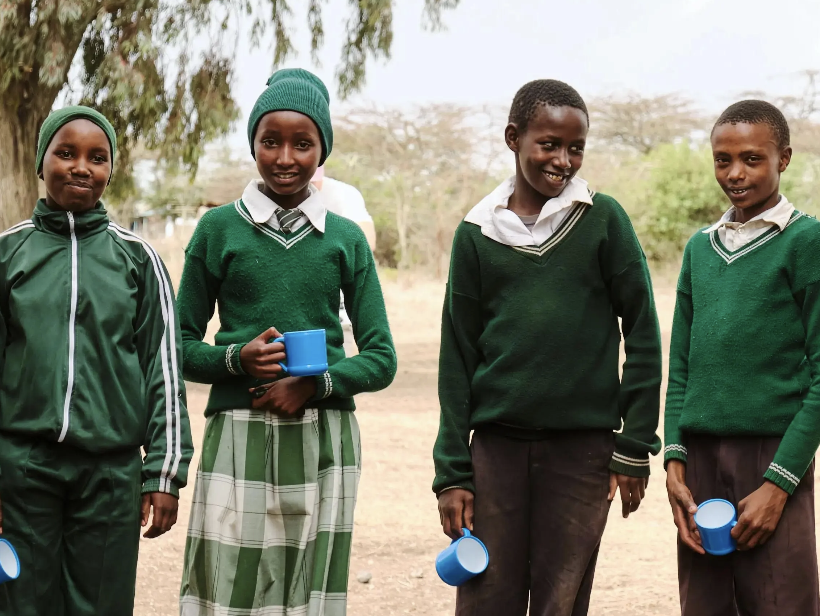
The organisation also expanded school feeding programs in Kenya, Namibia, Uganda and Zambia, providing daily meals to more than 7,200 children.
Investing in communities
Several projects highlighted in the report focus on helping communities generate sustainable income rather than relying solely on aid.
In the Peruvian Amazon, AKP partnered with the Nueva Arica community to develop businesses centred on punga fibre, aguaje fruit and honey production, creating economic opportunities while supporting environmental conservation in one of the world’s most biodiverse regions.
Elsewhere, near Petra in Jordan, 40 young women completed a vocational mosaic-training program designed to help participants establish businesses and generate independent income.
Education also remained a priority, with a new library opening at Pusanki Primary School in Kenya’s Maasai Mara. The project included the delivery of more than 1,100 books for 440 students living near important wildlife conservation areas.
Tourism’s broader legacy
While luxury travel remains centred on exceptional experiences, reports such as AKP’s highlight the growing expectation that tourism should deliver benefits beyond the visitor experience alone.
The organisation now employs 17 Impact Managers who work directly within local communities, helping oversee projects and maintain long-term partnerships in some of the world’s most isolated regions.
As travellers become increasingly conscious of where their money flows, the concept of luxury is continuing to evolve, with many high-end operators placing greater emphasis on the legacy their journeys leave behind.


 2 min
2 min