
‘Breathtakingly Fast’ McLaren W1, a $2.1 Million Hybrid, Sets a High Bar for Supercars

By Jim Motavalli
Sun, Oct 13, 2024 7:00am 4 min
4 min
4 min

 4 min
4 min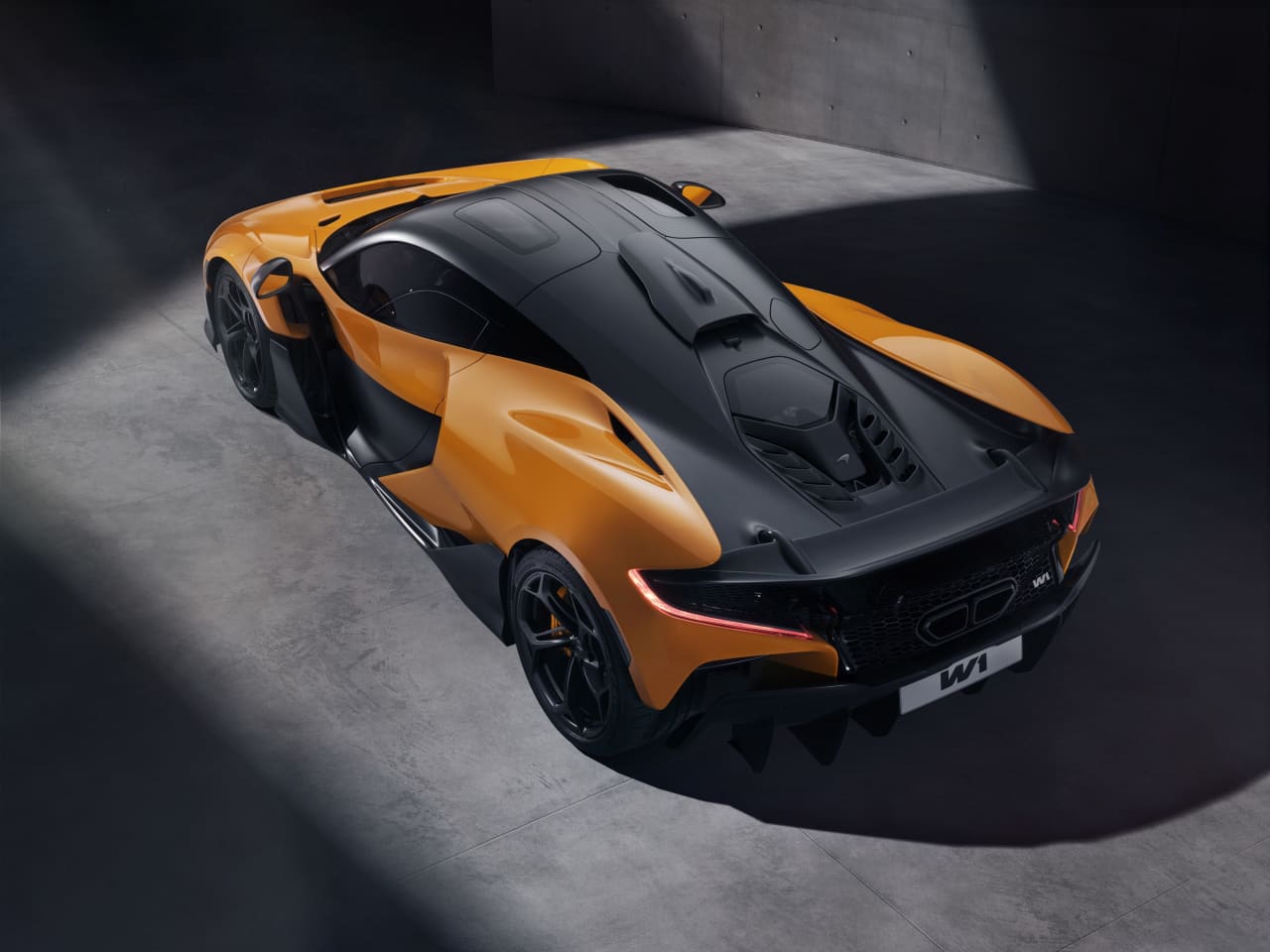
Every street McLaren since the F1 in the 1990s has been, of course, a supercar. But now the British company is hitting a new and higher mark with its W1, which has a 1,258-horsepower hybrid drivetrain—producing the most powerful McLaren to date. It’s a successor to both the F1 and the P1, and was revealed on Sunday.
Auto makers worried about the ups and downs of the battery electric car market are hedging their bets with hybrids and their plug-in variant. McLaren is no different. It has electric range, but only 1.6 miles.— he W1 will be priced at US$2.1 million, and only 399 will be sold globally. Unsurprisingly, all of them have already been allocated to customers.
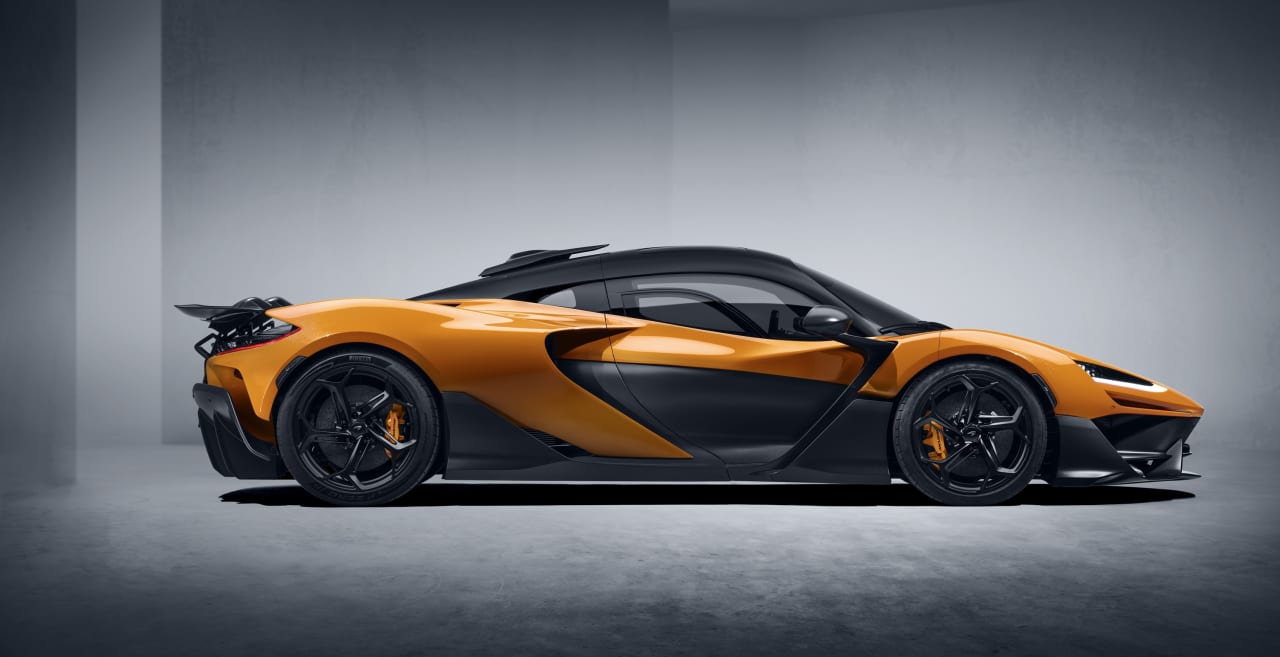
Many familiar McLaren build traditions are in place, including rear-wheel drive, lightweight carbon-fibre unit construction and uplifting gullwing-type doors hinged only at the roof. The company says the W1 doors are of “anhedral” design and optimised for aerodynamics. The doors also “allow optimisation of airflow from the front wheel arches into the high-temperature radiators, providing extra cooling space that allows the size of the radiators required to cool the powertrain to be reduced, optimising packaging and saving weight.”
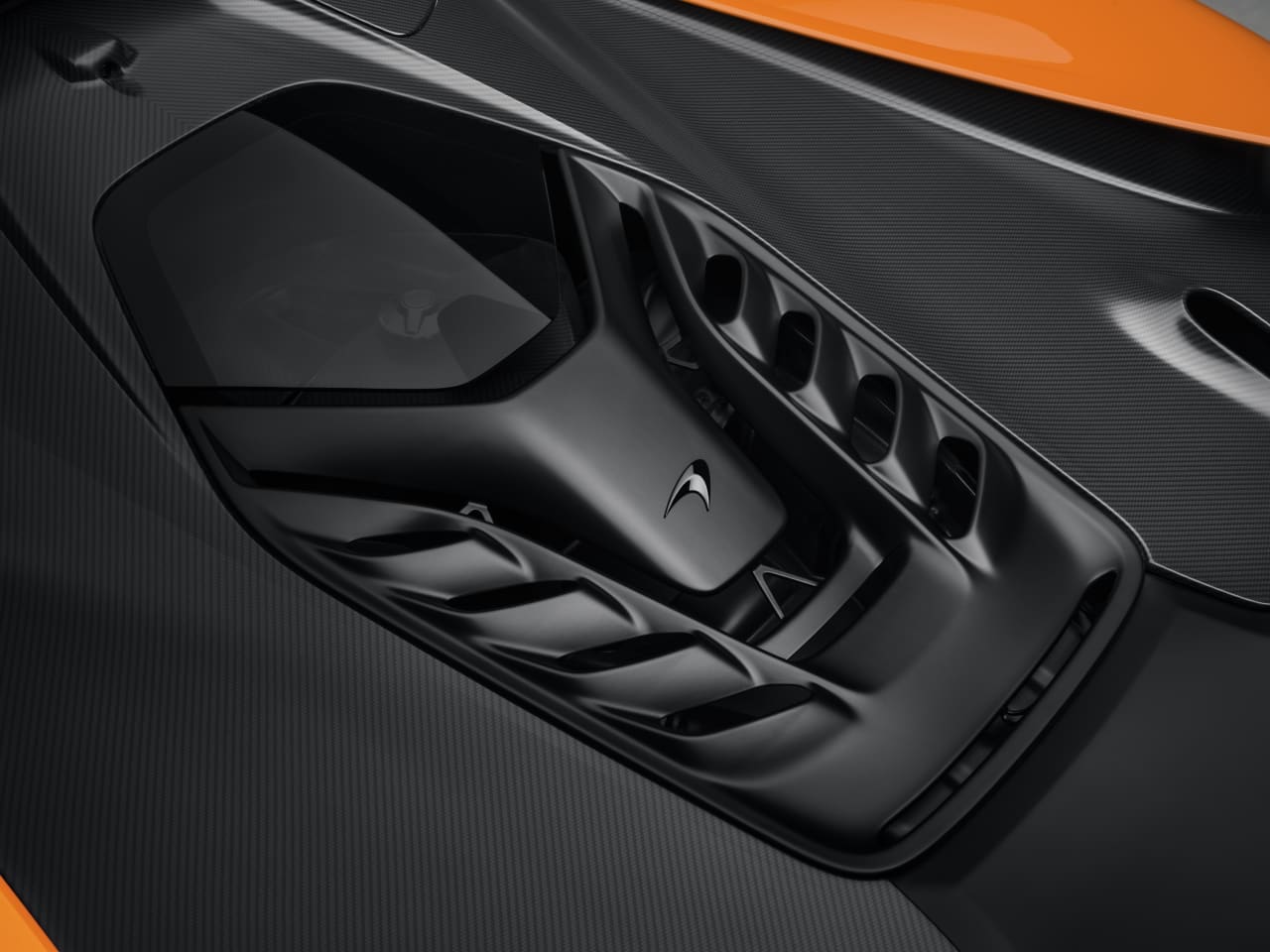
This is a breathtakingly fast car. The all-new twin-turbo, four-litre aluminium V8 engine produces 916 horsepower, and the company’s electric motor module (coupled to a 1.38-kilowatt-hour battery) adds another 342, yielding the aforementioned 1,258 horsepower and 988 pound-feet of torque. The car revs to 9,200 rpm before hitting redline, and power flows through an eight-speed transmission with electronic reverse and a technically innovative hydraulic electronic differential. In a car weighing only 3,084 pounds, this produces zero to 60 miles per hour in 2.7 seconds, zero to 124 in 5.8 seconds, and attainment of 186 mph in less than 12.7. The top speed is electronically limited to 217 mph.
The W1 is slower off the line than a US$89,990 Tesla Model S Plaid edition (1.99 seconds to 60, the company claims), but off-the-line acceleration is a big advantage of electric cars. The McLaren’s power plant is, without doubt, impressive. About that engine, Richard Jackson, chief powertrain engineer, said in a news release, “We’ve designed it to be much more power-dense than our previous V8—generating 230 horsepower per litre and capable of revving higher…with supreme driver engagement.”
The driver will have the option of choosing Race mode, which stiffens the suspension (via Race or the more bone-jarring Race+ setting) and extends downforce wings at the front and rear. The motorised wings aren’t there because they look cool—they’re capable of putting 772 pounds of downforce on the road at the front and 1,433 pounds at the back. Racing cars have to stop, so the car gets six-piston brakes up front and four-piston units in the rear. From that 124 mph, the W1 can be at a standstill in 95 feet.
The W1 will spend a lot of its time among civilians on the road, and there’s the choice of a Comfort setting that smooths out the ride for unstressed cruising around town. Comfort uses the hybrid system only for occasional torque applications. Sport is the interim choice, with full hybrid availability and faster throttle response.
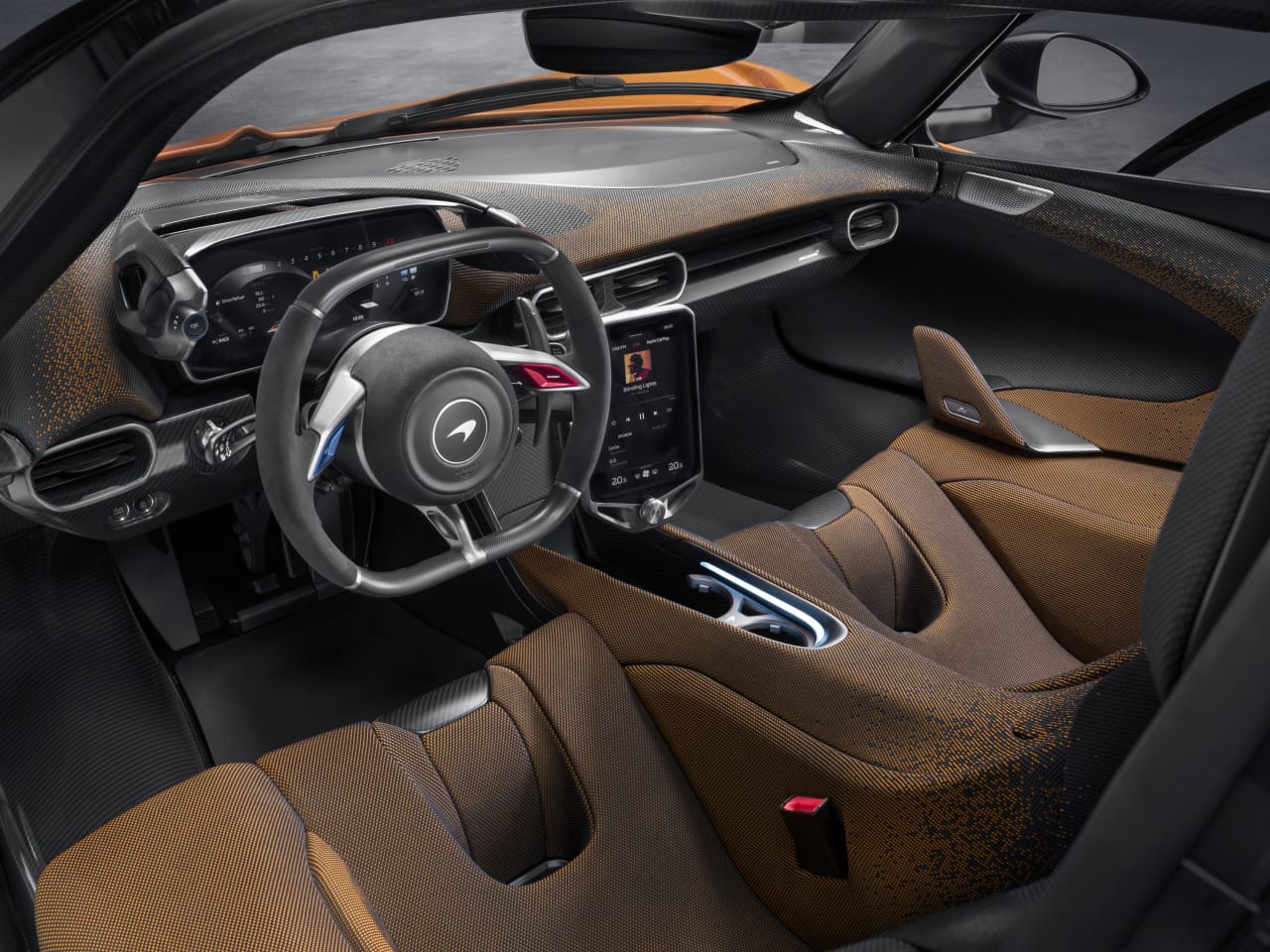
Photographs of the W1 show an exceptionally aerodynamic two-door supercar, shaped by the preferences of the wind, in a gold-and-black two-tone color scheme, with that pattern carried over into the seating. The bottom cushions are gold but the black gradually intrudes in what might be called a Jackson Pollock thrown-paint effect. The mid-mounted engine, just behind the driver, is part of the design.
In keeping with the trend toward owner customisation, McLaren says there are “virtually unlimited bespoke options” for the W1, including a new lightweight knitted-to-fit interior material called InnoKnit. The company claims that visibility is “best in class,” which is good if it means the driver can actually see what’s happening behind the supercar—a notorious issue. The driving position is said to be fairly reclined, with plenty of thigh support—useful when these cars corner at high speeds. The aluminium pedals are adjustable.
Start/stop buttons, the gear selector, window controls, and Race-mode switch are all mounted overhead the driver, with the Boost button on the steering wheel. The 8-inch centre screen offers USB-A and -C, as well as Apple CarPlay. Supercars aren’t known for storage space, but the W1 has small stowage and a sliding cup holder between driver and passenger. Weekend bags (or crash helmets) can be stashed behind the seats if the headrests are moved aside.
The W1’s fuel economy will undoubtedly be helped by its hybrid drive, but an actual figure has yet to be announced. It wasn’t a make-or-break figure for customers in this league.
Even aficionados of the marque who already own a McLaren Senna will want a W1, because it has 102 horsepower more. Keep in mind that 102 horsepower was considered perfectly adequate for British sports cars of the 1950s. In that same era, racers would drive to the track, compete, and then drive home again. The W1 appears ready to bring back that era.
 Copyright 2020, Dow Jones & Company, Inc. All Rights Reserved Worldwide. LEARN MORE




BNW Developments has established a Sydney presence, joining Arada and Sobha Realty among the growing number of UAE developers pursuing Australian buyers and development opportunities.
The Australian leather house has opened an immersive four-day pop-up in Manhattan, unveiling its Bloom Collection and redefining what a product launch can look like.
AI-powered travel agents are challenging online booking platforms, but Airbnb’s exclusive listings and direct customer relationships could give it an edge. Its next challenge: turning repeat guests into loyal customers through stronger rewards and innovation.
3 min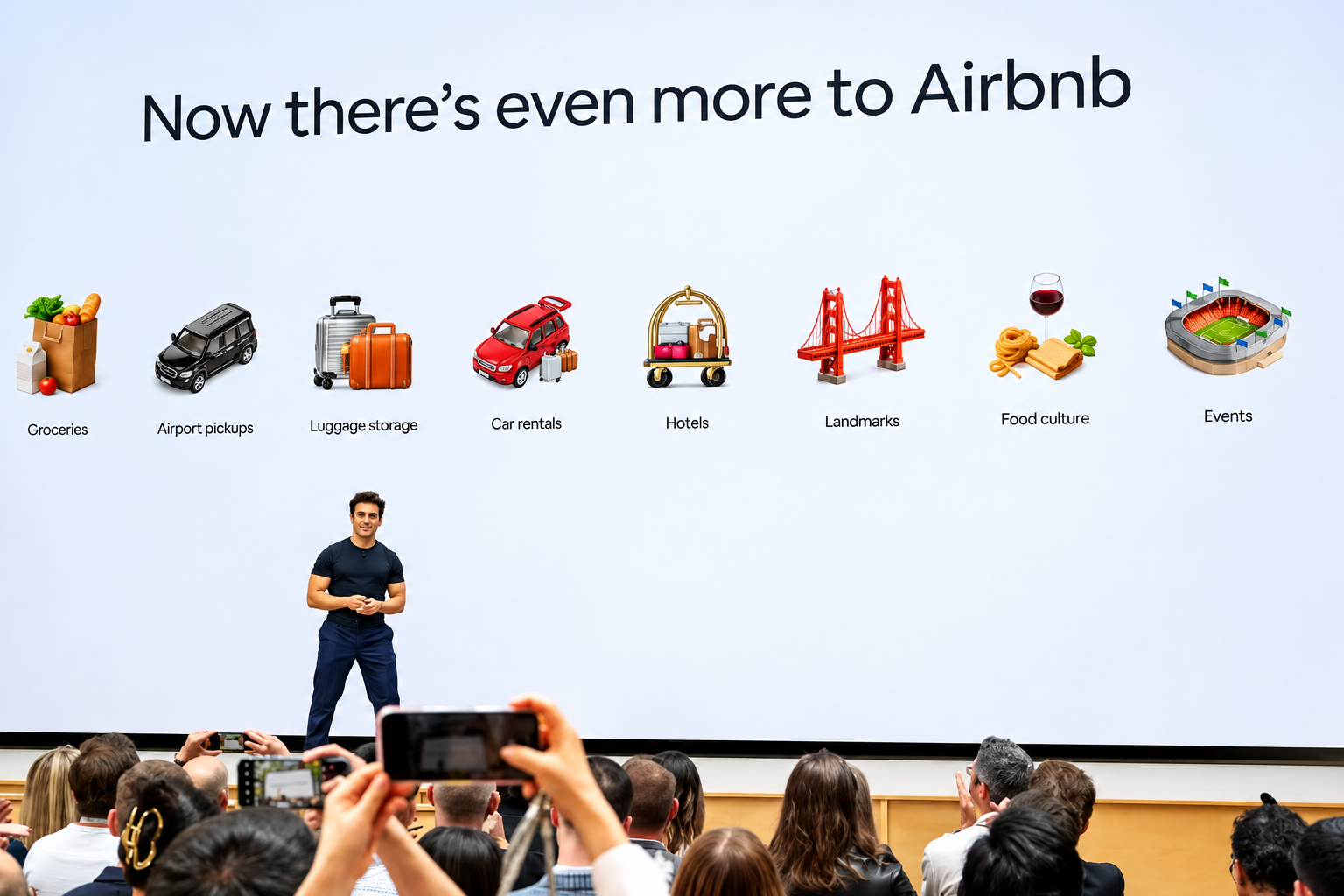
AI agents like Muse can already find you the cheapest hotel room in Paris. But they can’t locate a cheaper version of that Catskills cabin you’ve been eyeing, because it might only be available on Airbnb ABNB -1.43%decrease.
Investors should pay attention to that distinction. When Meta Platforms META 3.38%increase launched its Muse agent last month, travel stocks including Booking Holdings BKNG -1.19%decrease, Expedia and Airbnb all fell sharply.
Airbnb, though, has a real chance to emerge as a winner from the upheaval. The catch: Its stock already reflects above-industry growth. To justify its valuation, Airbnb will need to turn repeat customers into loyal ones.
Online travel companies make much of their money by simplifying search and collecting fees on bookings. AI agents threaten that model.
But not all travel marketplaces are equally exposed. Booking and Expedia largely sell hotel rooms that travelers can also book directly or through competing sites. If an agent can find the same room elsewhere, it has little reason to favor either Booking or Expedia.
Booking and Expedia also sell sponsored listings that steer travelers toward particular properties. Wells Fargo estimates those will account for about 8% of Expedia’s revenue and a much higher percentage of profit next year.
Airbnb has more ways to adapt. More than half its listings are available only on its platform, and more than 90% of its traffic comes directly to its app or website.
The customer relationship doesn’t end after booking, either. Bernstein analyst Richard Clarke notes that 90% of Airbnb guests go on to message their hosts about arrival times, keys or local taxes, giving Airbnb a connection to both sides of the transaction.
How the companies have responded to the possible agentic future is telling.
Expedia quickly signed on as a Muse partner. Airbnb hasn’t, and Chief Executive Brian Chesky says AI chatbots have so far been a boon, sending customers to Airbnb’s website.
Chatbots might work for buying paper towels, he quipped at a Skift conference last month, but people enjoy planning trips. He argued that browsing dozens of homes isn’t something a text-based chatbot is well suited for.
Still, the AI jitters arrived just as Airbnb was persuading investors it deserved its pricey multiple. For years after its 2020 initial public offering, the stock—which trades around 25 to 30 times forward earnings—went nowhere. Investors saw a mature operator trading at a growth premium.
This year, Airbnb growth seems to be accelerating. The stock jumped in August after the company raised its full-year revenue-growth guidance with its second-quarter results. Wells Fargo analyst Ken Gawrelski credits a run of product improvements under a revamped leadership team.
Among the changes: letting guests reserve now and pay later, adding hotels, and a redesigned home page and app. Investors were also betting on what comes next, including thousands more hotels, car rentals and, eventually, advertising.
The irony is that some of those growth drivers push Airbnb closer to the kind of business Booking and Expedia run—the kind of business AI agents could threaten. Even if AI agents capture a large share of travel planning and booking, Airbnb would capture the demand. But it and others would slowly lose control over how customers find and choose properties.
That would undermine the advertising opportunity investors are counting on. The bigger point for Airbnb and other marketplaces is that losing control of customer acquisition could mean surrendering some of their pricing power and margins.
To bulletproof itself, Airbnb might look to another e-commerce giant that has so far kept AI agents at arm’s length: Amazon.
Like Amazon, Airbnb has a loyal customer base and hard-to-match supply. But it has nothing like Prime membership to make customers think twice before taking their business elsewhere.
That is where loyalty comes in. Business travelers stick with Hilton or Marriott because enough nights earn them perks. Leisure travelers rarely accumulate stays with one chain. Airbnb has millions of listings and plenty of repeat customers, but no broad rewards program. It has begun experimenting with credits on hotel stays, but it should make loyalty a priority, not just a promotion.
Airbnb also plans to launch its own AI agent next year. But travelers using an agent might still want it to search Airbnb, Vrbo, Booking and hotel websites alike, rather than limit itself to one company’s inventory.
Eventually, Airbnb might have to strike deals with agent makers, using its unique homes as leverage to negotiate favorable terms, says Gawrelski. Such deals, along with rewards for loyal guests, could over the long term eat into the company’s roughly 13% take rate, he adds. But if they bring in enough additional bookings, the trade-off could be worthwhile.
History offers a reason not to panic. The shift from desktop to mobile unsettled investors in Alphabet and Amazon, but both emerged as major beneficiaries. Companies with valuable assets can come out of a platform shift stronger, if they adapt quickly enough.
Airbnb has homes the bots can’t easily replace. Now it needs to give guests a reason to insist on booking them there.
