Egypt surge signals new confidence among luxury travellers
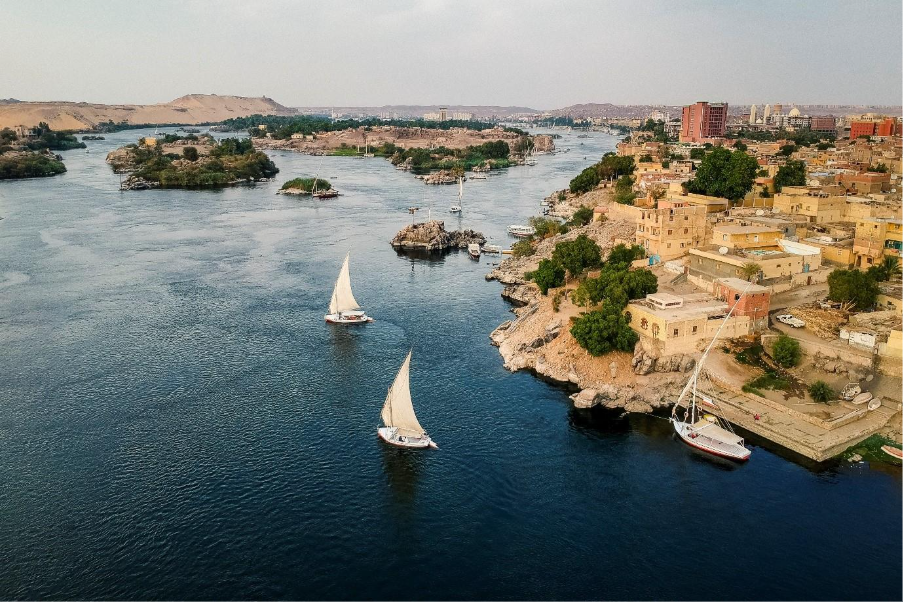
A resurgence in high-end travel to Egypt is being driven by museum openings, private river journeys and renewed long-term investment along the Nile.
Abercrombie & Kent says demand for Egypt is rising sharply across its key markets, with the destination now ranking among the company’s top performing regions for 2026.
The luxury travel group reports strong year-on-year growth across the UK, US and Australia, spanning private journeys, small group itineraries and high-end celebration travel.
Some Egypt itineraries in the US market have more than doubled compared with last year, while forward bookings already extend into 2027.
Industry observers point to a renewed confidence in Egypt as a destination, underpinned by significant cultural investment and a growing appetite for deeper, more personalised travel experiences.
One of the main catalysts has been the opening of the Grand Egyptian Museum, located beside the Giza Plateau.
The museum, the largest in the world dedicated to a single civilisation, brings together the full collection of Tutankhamun’s treasures for the first time and has reignited interest in Cairo as a standalone cultural destination rather than a gateway stop.
Abercrombie & Kent’s Senior Vice President, Egypt, Amr Badr, said: “The opening of the Grand Egyptian Museum has been transformative – we’ve seen a significant surge in enquiries since November, and the calibre of traveller is remarkable.
“These are culturally curious guests seeking genuine immersion rather than surface-level touring.
“They’re booking private after-hours access to the museum, arranging consultations with Egyptologists, and approaching Egypt with the same intentionality they’d bring to any major cultural pilgrimage.
“Egypt has always been extraordinary, but 2026 feels like a renaissance moment – the perfect convergence of world-class infrastructure and a new generation discovering why this civilisation has captivated humanity for millennia.”
According to Abercrombie & Kent, British travellers are increasingly pairing museum-led experiences in Cairo with classic Nile journeys, while demand is also rising for private dahabiya charters and bespoke river itineraries.
In Australia, repeat high-spend travellers are returning to Egypt for milestone celebrations, often opting for private touring and exclusive access experiences.
The company is responding with further long-term investment along the Nile. Later this year it will launch Nile Seray, a new luxury riverboat that will feature in a private journey debuting in 2026.
A second vessel has already been commissioned, signalling confidence in sustained demand for high-end river travel in the region.
Egypt occupies a central place in the company’s history. Founder Geoffrey Kent first introduced Nile cruising to the brand in the late 1970s with the SS Memnon, laying the foundations for what has since become one of its most enduring destinations.
Nile Seray is now accepting reservations for departures from October 2026, with four-night voyages priced from USD $3,125 per person.
The Australian leather house has opened an immersive four-day pop-up in Manhattan, unveiling its Bloom Collection and redefining what a product launch can look like.
Following the successful launch of its Palais Collection, MAISON de SABRÉ has unveiled a new modular handbag system offering more than 720 styling combinations.
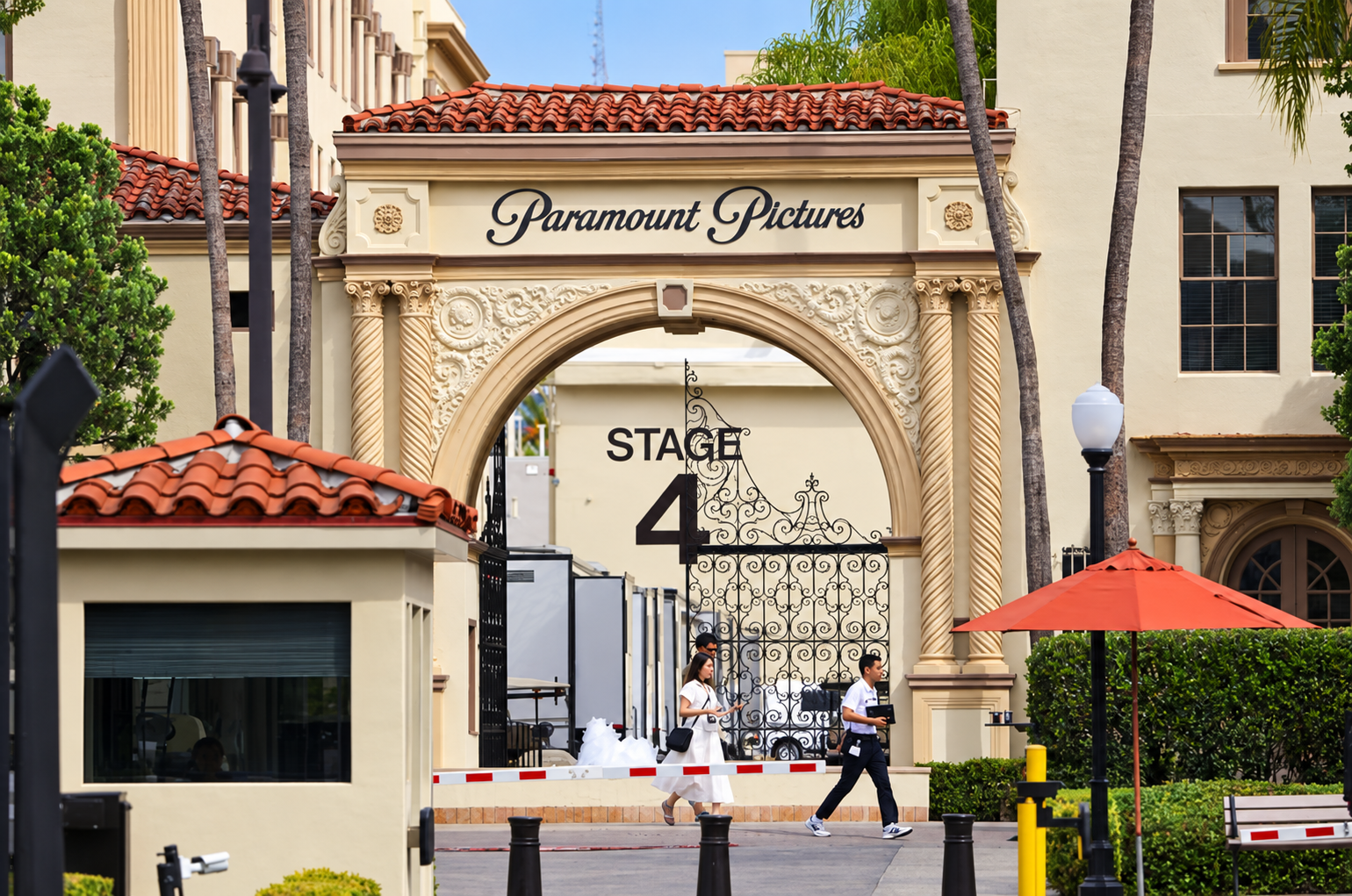
Paramount and California’s attorney general are in advanced settlement talks over the company’s proposed $81 billion merger with Warner Bros. Discovery. Potential concessions include investing $1.5 billion in California production, retaining both studio lots and introducing safeguards for CNN’s editorial independence.
California’s attorney general and Paramount PSKY -3.86%decrease; down pointing triangle have discussed a series of potential concessions as part of advanced settlement negotiations, including a $1.5 billion investment by the company in production in California, according to people familiar with the discussions.
Paramount executives and a coalition of states that sued to block its $81 billion merger with Warner Bros. Discovery WBD -1.56%decrease; down pointing triangle spent the weekend hashing out the details of a possible settlement. Such an agreement would clear the way for a deal that would bring HBO, CBS, CNN, streaming services and famed movie studios under one owner.
Among the concessions the parties have discussed beyond the sizable production investment: a promise not to sell either studio lot and to stay in the state of California, the people said. The company had explored moving out of the state as the deal faced opposition.
The parties have also considered potential penalties if Paramount doesn’t make good on an earlier pledge to make 30 movies a year after the merger, including having to sell its stake in Miramax, known for such classic movies as “No Country for Old Men” and “Pulp Fiction,” the people familiar with the matter said.
Other measures the sides have explored include the sale of some cable channels and the creation of a board to ensure that CNN retains editorial independence, people with knowledge of the talks said. The network has been a political flashpoint throughout Paramount CEO David Ellison’s fight for Warner. Paramount had been discussing creating such an editorial board before the lawsuit.
A final deal hasn’t been reached, and it is unclear what terms the parties may ultimately agree to.
Ellison has spent the past year fighting to buy Warner in a megadeal that would expand his entertainment empire, but that has drawn opposition from some political and Hollywood figures.
A dozen Democratic-led states led by California Attorney General Rob Bonta sued in July to block the deal on antitrust grounds, arguing that the combination of Paramount and Warner would create too much concentration in the markets for theatrical films and cable television channels.
The Writers Guild of America sued over the merger, saying that the deal would eliminate jobs and career opportunities for Hollywood screenwriters.
About two dozen demonstrators gathered in front of the Elihu M. Harris State Office Building in downtown Oakland on Sunday evening to protest a potential settlement. Holding signs reading “Bonta: Don’t You Dare” and “Block the Megamerger,” they took turns giving speeches urging the attorney general to continue pressing the suit.
“Nothing has changed since he filed the case,” said Annie Leonard, co-founder of the nonprofit Committee for the First Amendment, which advocates for free expression. “He needs to stay as strong as he was in filing it.”
The two sides had come under pressure to settle the matter in recent months, including from California Gov. Gavin Newsom, Los Angeles Mayor Karen Bass, gubernatorial candidate Xavier Becerra, movie theater chains and some Hollywood labor unions.
Paramount’s agreement with Warner also included a “ticking fee” with payments to Warner shareholders of roughly $650 million a quarter, or $7 million a day, beginning next month, until the transaction closes.
Paramount had asked a federal judge to require the states and the Writers Guild to put up a nearly $1.9 billion bond for challenging the acquisition, money that would go to the company if it ultimately won the case.