Revealed: Australia’s most expensive houses & the records they’re smashing
Records keep falling in 2025 as harbourfront, beachfront and blue-chip estates crowd the top of the market.
By Staff Writer
Tue, Oct 14, 2025 9:34am 5min
Australia’s luxury property market is once again reaching dizzying heights. After a brief slowdown, national home values have surged to new records in 2025, and nowhere is that more evident than at the top end of town.
While median prices are rising across most capital cities, the ultra-prestige segment is seeing even sharper growth, with trophy homes fetching never-before-seen sums.
Demand for harbourfront, beachfront, and blue-chip inner-city estates remains intense, driven by a mix of local billionaires, global buyers and intergenerational wealth.
This year alone, Australia’s residential record has been rewritten, with sales surpassing $130 million, and even an apartment now holding the crown as the nation’s most expensive dwelling.
From Sydney’s Point Piper to Melbourne’s Toorak, Brisbane’s riverfronts to Perth’s Golden Triangle, these exclusive enclaves continue to define the country’s property elite.
We’ve taken a closer look at the most expensive houses across Australia’s largest capitals, the landmark sales that have set new benchmarks, and the homes that could challenge those records if they ever hit the market.
Elaine Gardens
Sydney
House Price Record: $130 million Residential Record: $141.5 million
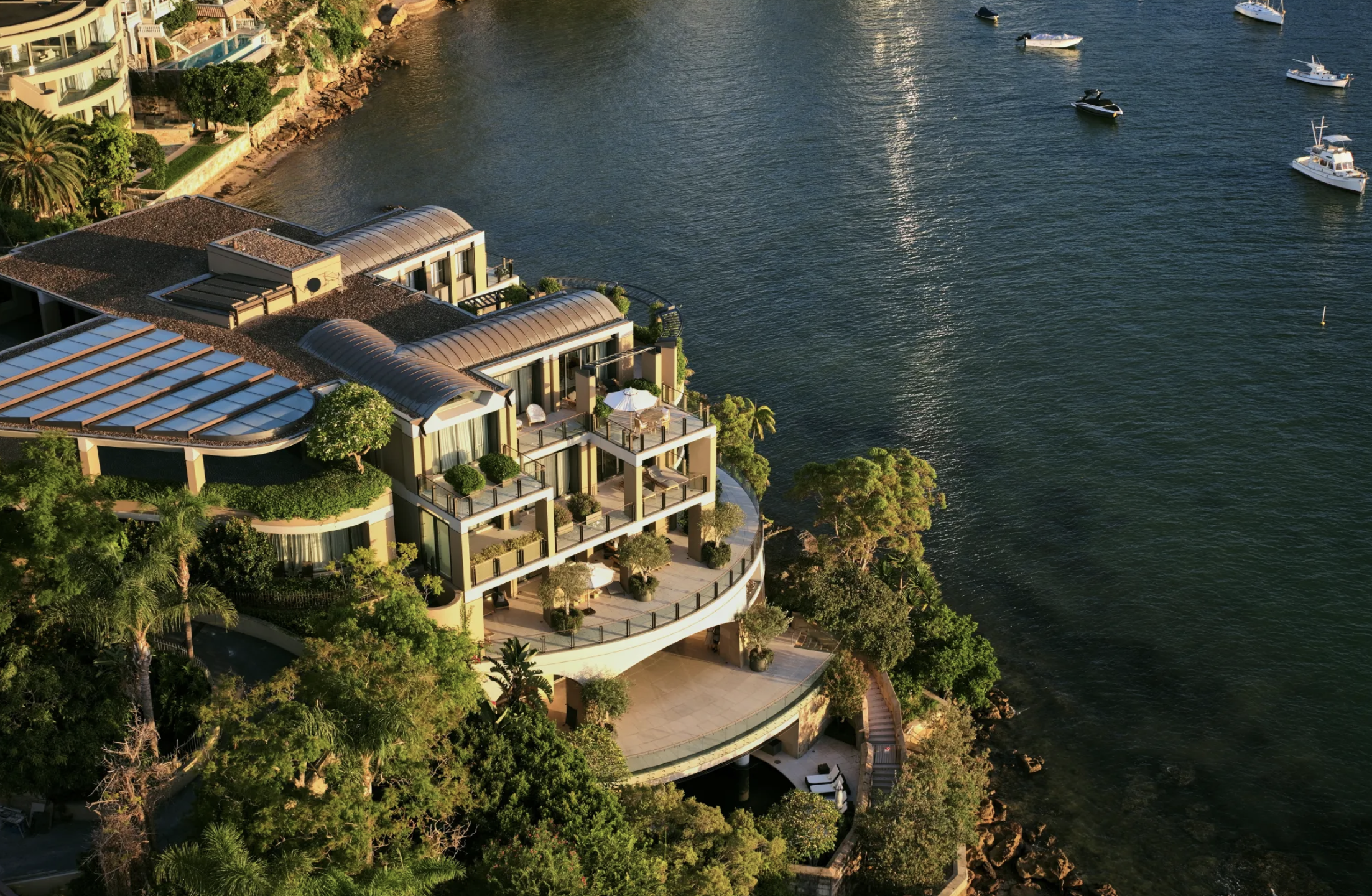
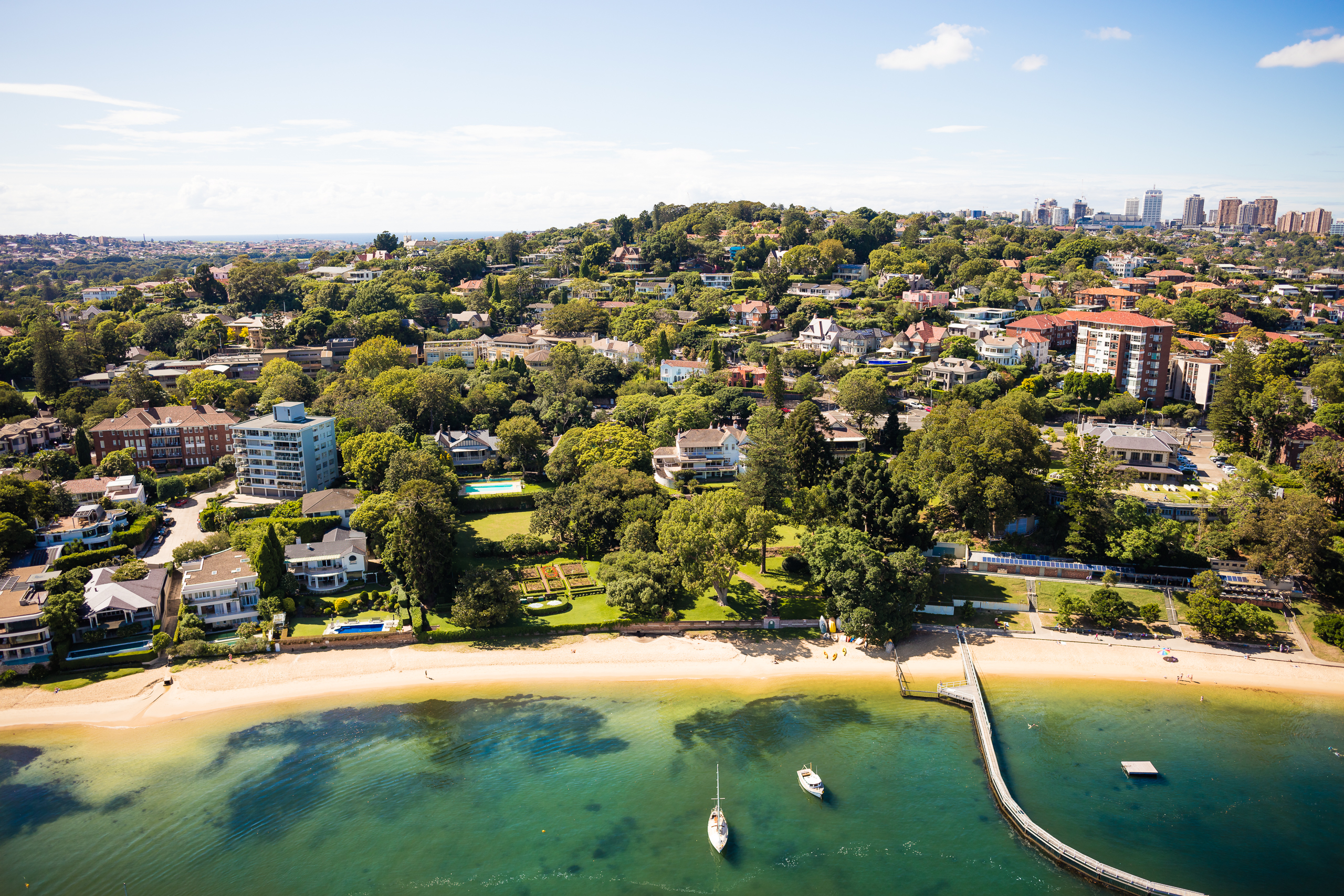
Sydney’s harbour has always commanded the city’s highest price points, with Point Piper the main epicentre.
For years, the residential house price record was held in Point Piper. First, Atlassian billionaire Scott Farquhar spent a record $71 million on Elaine, the Seven Shillings beachfront estate that had been in the Fairfax family for generations.
That 2017 sale held the top spot until the following year, when Farquhar’s Atlassian co-founder Mike Cannon-Brookes spent $100 million on Fairwater next door, following the death of Lady Mary Fairfax.
The grand heritage-listed mansion dates back to the early 1880s and sits on 1.12 hectares, far larger than Elaine, which is just shy of 7,000 sqm.
The Fairwater sale has only been topped twice. Last year, Farquhar purchased Uig Lodge for $130 million, one of the highest homes in Point Piper, with sweeping views of the harbour.
In turn, he sold Elaine for the same amount to a consortium led by tech entrepreneur Patrick Shi, CEO of Acce Investments Group. The group reportedly intends to subdivide the 7,000 sqm parcel into four blocks for new trophy homes.
There are several harbourfront properties that could challenge the record should they ever transact. This year, Aussie John Symond reportedly turned down offers exceeding $200 million for his home, colloquially known as “Aussie Stadium.”
The four-level residence, one of only three on Wolseley Road’s Windmill Point, took eight years to build and features six bedrooms, an eight-car garage, a 22-seat theatre, and a 2,500-bottle wine cellar.
Another contender is the Vaucluse waterfront compound owned by Menulog founder Leon Kamenev. Kamenev spent $80 million on the land alone in 2016, four amalgamated blocks totalling 4,200 sqm, before demolishing the existing homes to create a mega-mansion that cost more than $30 million to construct.
Meriton founder Harry Triguboff’s Wentworth Road property, also in Vaucluse, would likely compete for top spot. He first bought a block on the prized waterfront street in 1983 and acquired the adjacent property in 1998 to create over 5,200 sqm.
The Packer family compound could return the record to Bellevue Hill if it ever sold. Sir Frank Packer began assembling the estate, Cairnton, in 1935; his son Kerry added further titles through the 1980s and 1990s. The property now spans 1.1 hectares across Kambala and Victoria Roads.
The aforementioned Fairwater would almost certainly exceed $130 million today, given its larger harbourside footprint compared to Elaine.
Sydney’s highest property price, however, isn’t a house, it’s a penthouse. The One Sydney Harbour penthouse in Barangaroo sold off the plan in 2019 for $141.55 million. The three-level residence spans over 1,600 sqm and includes nine bedrooms, a private rooftop pool, spa, and gym.
Blair House, Toorak
Melbourne
House Price Record: $130 million+
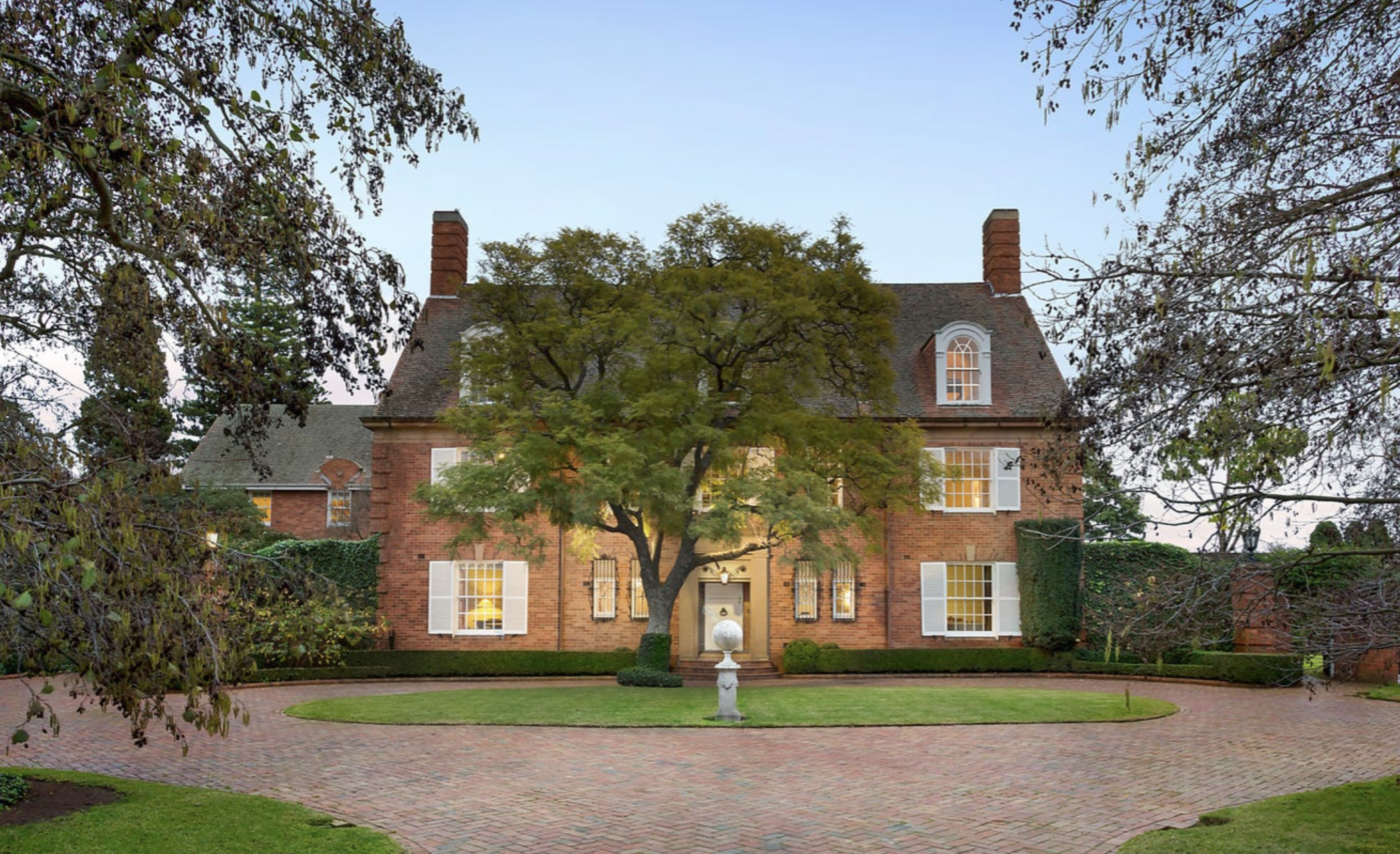
In Melbourne, Toorak is the equivalent of Point Piper. The rich-lister suburb home to the nation’s highest concentration of billionaires, including Lindsay Fox, John Gandel, and Solomon Lew.
The highest price achieved, though yet to settle, is for Coonac, the 1867-built mansion reportedly sold earlier this year for around $130 million. It was the longtime home of billionaire developer Paul Little and his wife, University of Melbourne Chancellor Jane Hansen.
While Coonac sits on Clendon Road, alongside the Myer family’s Cranlana compound, currently seeking around $100 million, Toorak’s most consistently expensive street is St Georges Road.
It previously held the Victorian record when crypto billionaire Ed Craven bought the long-abandoned “Ghost Mansion” for $80 million in 2022. He has since demolished the structure and is set to build a new luxury residence on the vast 7,187 sqm site.
Other notable St Georges Road sales include Blair House, which fetched $74.5 million in 2022 when purchased by tech entrepreneur Grant Rule.
Outside Toorak, billionaire Anthony Pratt’s Raheen estate in Kew remains one of the state’s most valuable homes. The heritage-listed Italianate mansion, built in the 1870s for Edward Latham of Carlton Brewery, has been in the Pratt family since 1981 and was recently refurbished by Anthony following his father Richard’s passing in 2016.
Sutherland Ave, Ascot
Brisbane
House Price Record: $23 million
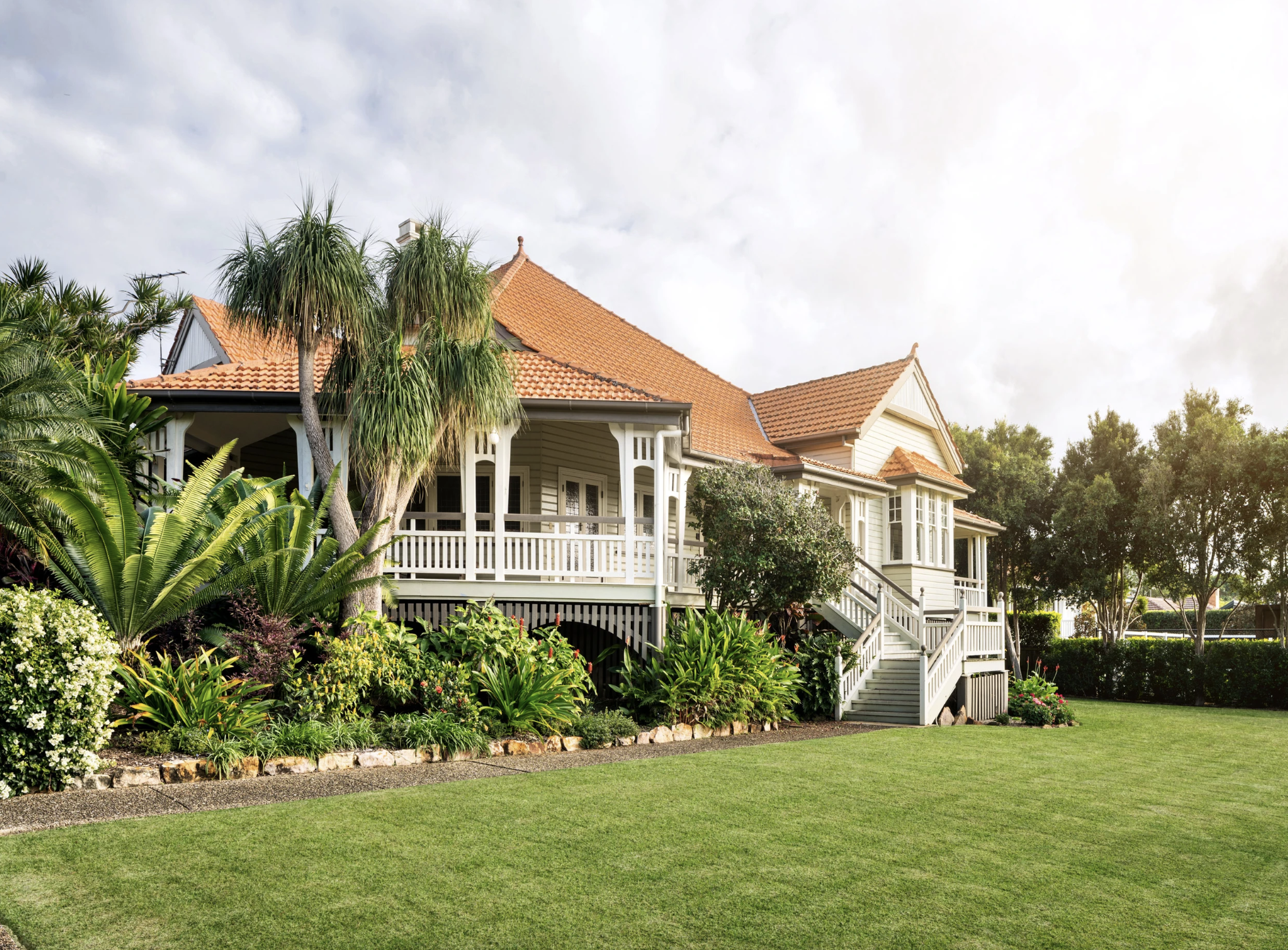
The Brisbane record was set earlier this year when BWC Group construction boss Brett Walker sold his Ascot home for $23 million.
Walker had bought the 1930s Queenslander from Ray White Chairman Brian White in 2021 for $10 million and spent another $7 million on extensive upgrades.
The 1920s home with six bedrooms sits on a private 3,035 sqm block with a championship-size floodlit tennis court, swimming pool, and cricket pitch.
The sale comfortably surpassed the previous record, set in 2023 when the 1890s waterfront Amity House in New Farm sold for $20.5 million.
New Farm also holds the city’s apartment record, set this year when coal baron Matthew Latimore, founder of M Resources, spent $17.5 million on a two-level penthouse atop the Cutters Landing building on Refinery Parade. The 740 sqm residence includes a sauna, steam room, ice bath, and spa.
There had been suggestions the penthouse atop the Pier building in Newstead would sell for $20 million, but it ultimately settled for $16 million.
Queensland’s priciest homes, however, sit beyond Brisbane. The state record was set earlier this year when DISSH fashion owners Lucy Henry-Hicks and Mitchell Lau purchased three adjoining beachfront properties for $40 million on Palm Beach’s Jefferson Lane.
Some don’t consider it a record, given it was an amalgamation. If it wasn’t to be a record, the highest price is $34 million, in Sunshine Beach. Webb House was bought by Peter Tighe, Non-Executive Chairman of AuKing Mining and part-owner of champion mare Winx, in 2021.
Western Australia
House Price Record: $56 million
Western Australia’s luxury market has surged. According to Knight Frank’s Prime Global Cities Index, Perth ranked 16th globally in Q1 2025 for luxury property price growth, rising 3.8 per cent over the year to March.
The priciest homes typically cluster in Dalkeith, Mosman Park, and Peppermint Grove. The state’s record was set when Mineral Resources co-founder Chris Ellison purchased a Mosman Park residence on Saunders Street for $56 million.
That same street saw another notable sale this year, a 2016-built luxury home with dual Gaggenau and Sub-Zero kitchens, a solar-heated magnesium pool, 600-bottle wine cellar, 13-person lift, and panoramic river views, for $22.75 million.
Many of Perth’s top-end sales occurred in the post-GFC mining boom, though some values later softened.
In 2011, Mineral Resources co-founder Steve Wyatt paid $39 million for a Dalkeith mansion; it resold in 2020 for $27.5 million to entrepreneur Danny Pavlovich and his wife, Suza.
Weary of ‘smart’ everything, Americans are craving stylish ‘analog rooms’ free of digital distractions—and designers are making them a growing trend.
By NORA KNOEPFLMACHER
Tue, Jan 13, 2026 5min
James and Ellen Patterson are hardly Luddites. But the couple, who both work in tech, made an unexpectedly old-timey decision during the renovation of their 1928 Washington, D.C., home last year.
The Pattersons had planned to use a spacious unfinished basement room to store James’s music equipment, but noticed that their children, all under age 21, kept disappearing down there to entertain themselves for hours without the aid of tablets or TVs.
Inspired, the duo brought a new directive to their design team.
The subterranean space would become an “analog room”: a studiously screen-free zone where the family could play board games together, practice instruments, listen to records or just lounge about lazily, undistracted by devices.
For decades, we’ve celebrated the rise of the “smart home”—knobless, switchless, effortless and entirely orchestrated via apps.
But evidence suggests that screen-free “dumb” spaces might be poised for a comeback.
Many smart-home features are losing their luster as they raise concerns about surveillance and, frankly, just don’t function.
New York designer Christine Gachot said she’d never have to work again “if I had a dollar for every time I had a client tell me ‘my smart music system keeps dropping off’ or ‘I can’t log in.’ ”
Google searches for “how to reduce screen time” reached an all-time high in 2025. In the past four years on TikTok, videos tagged #AnalogLife—cataloging users’ embrace of old technology, physical media and low-tech lifestyles—received over 76 million views.
And last month, Architectural Digest reported on nostalgia for old-school tech : “landline in hand, cord twirled around finger.”
Catherine Price, author of “ How to Break Up With Your Phone,” calls the trend heartening.
“People are waking up to the idea that screens are getting in the way of real life interactions and taking steps through design choices to create an alternative, places where people can be fully present,” said Price, whose new book “ The Amazing Generation ,” co-written with Jonathan Haidt, counsels tweens and kids on fun ways to escape screens.
From both a user and design perspective, the Pattersons consider their analog room a success.
Freed from the need to accommodate an oversize television or stuff walls with miles of wiring, their design team—BarnesVanze Architects and designer Colman Riddell—could get more creative, dividing the space into discrete music and game zones.
Ellen’s octogenarian parents, who live nearby, often swing by for a round or two of the Stock Market Game, an eBay-sourced relic from Ellen’s childhood that requires calculations with pen and paper.
In the music area, James’s collection of retro Fender and Gibson guitars adorn walls slicked with Farrow & Ball’s Card Room Green , while the ceiling is papered with a pattern that mimics the organic texture of vintage Fender tweed.
A trio of collectible amps cluster behind a standing mic—forming a de facto stage where family and friends perform on karaoke nights. Built-in cabinets display a Rega turntable and the couple’s vinyl record collection.
“Playing a game with family or doing your own little impromptu karaoke is just so much more joyful than getting on your phone and scrolling for 45 minutes,” said James.
The Patterson family’s basement retreat ‘encapsulates the joy in the things that we love in one room.’ John Cole
Screen-Free ‘Escapes’
“Dumb” design will likely continue to gather steam, said Hans Lorei, a designer in Nashville, Tenn., as people increasingly treat their homes “less as spaces to optimise and more as spaces to retreat.”
Case in point: The top-floor nook that designer Jeanne Hayes of Camden Grace Interiors carved out in her Connecticut home as an “offline-office” space.
Her desk? A periwinkle beanbag chair paired with an ottoman by Jaxx. “I hunker down here when I need to escape distractions from the outside world,” she explained.
“Sometimes I’m scheming designs for a project while listening to vinyl, other times I’m reading the newspaper in solitude. When I’m in here without screens, I feel more peaceful and more productive at the same time—two things that rarely go hand in hand.”
A subtle archway marks the transition into designer Zoë Feldman’s Washington, D.C., rosy sunroom—a serene space she conceived as a respite from the digital demands of everyday life.
Used for reading and quiet conversation, it “reinforces how restorative it can be to be physically present in a room without constant input,” the designer said.
Laura Lubin, owner of Nashville-based Ellerslie Interiors, transformed a tiny guest bedroom in her family’s cottage into her own “wellness room,” where she retreats for sound baths, massages and reflection.
“Without screens, the room immediately shifts your nervous system. You’re not multitasking or consuming, you’re just present,” said Lubin.
As a designer, she’s fielding requests from clients for similar spaces that support mental health and rest, she said.
“People are overstimulated and overscheduled,” she explained. “Homes are no longer just places to live—they’re expected to actively support well-being.”
Designer Molly Torres Portnof of New York’s DATE Interiors adopted the same brief when she designed a music room for her husband, owner of the labels Greenway Records and Levitation, in their Lido Beach, N.Y. home. He goes there nightly to listen to records or play his guitar.
The game closet from the townhouse in “The Royal Tenenbaums”? That idea is back too, says Gachot. Last year she designed an epic game room backed by a rock climbing wall for a young family in Montana.
When you’re watching a show or on your phone, “it’s a solo experience for the most part,” the designer said. “The family really wanted to encourage everybody to do things together.”
Photo: John Cole
Analog Accessories
Don’t have the space—or the budget—to kit out an entire retro rec room?
“There are a lot of small tweaks you can make even if you don’t have the time, energy or budget to design a fully analog room from scratch,” said Price.
Gachot says “the small things in people’s lives are cues of what the bigger trends are.”
More of her clients, she’s noticed, have been requesting retrograde staples, such as analog clocks and magazine racks.
For her Los Angeles living room, chef Sara Kramer sourced a vintage piano from Craigslist to be the room’s centerpiece, rather than sacrifice its design to the dominant black box of a smart TV. Alabama designer Lauren Conner recently worked with a client who bought a home with a rotary phone.
Rather than rip it out, she decided to keep it up and running, adding a silver receiver cover embellished with her grandmother’s initials.
Some throwback accessories aren’t so subtle. Melia Marden was browsing listings from the Public Sale Auction House in Hudson, N.Y. when she spotted a phone booth from Bell Systems circa the late 1950s and successfully bid on it for a few hundred dollars.
“It was a pandemic impulse buy,” said Marden.
In 2023, she and her husband, Frank Sisti Jr., began working with designer Elliot Meier and contractor ReidBuild to integrate the booth into what had been a hallway linen closet in their Brooklyn townhouse.
Canadian supplier Old Phone Works refurbished the phone and sold them the pulse-to-tone converter that translates the rotary dial to a modern phone line.
The couple had collected a vintage whimsical animal-adorned wallpaper (featured in a different colourway in “Pee-wee’s Playhouse”) and had just enough to cover the phone booth’s interior.
Their children, ages 9 and 11, don’t have their own phones, so use the booth to communicate with family. It’s also become a favorite spot for hiding away with a stack of Archie comic books.
The booth has brought back memories of meandering calls from Marden’s own youth—along with some of that era’s simple joy. As Meier puts it: “It’s got this magical wardrobe kind of feeling.”


 5 min
5 min