
End Of Rental Moratorium Necessary For WA
Sunday marks the first time property investors can increase rent prices in 12 months.
By Terry Christodoulou
Tue, Mar 23, 2021 12:03pm < 1 min
< 1 min


Sunday marks the first time property investors can increase rent prices in 12 months.
< 1 min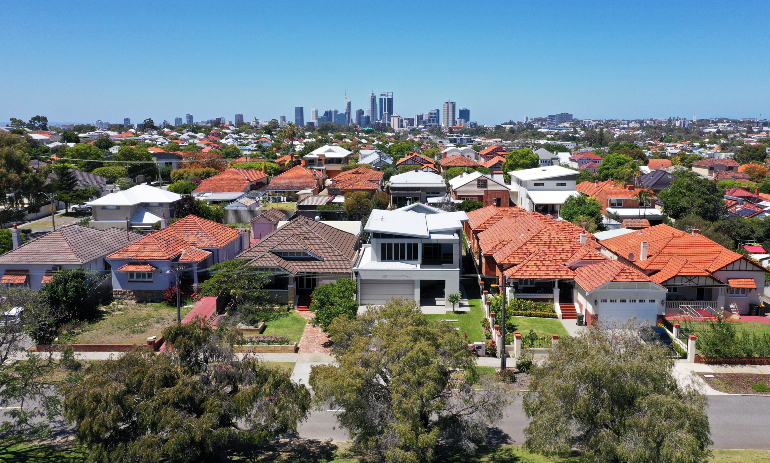
The Real Estate Institute of Western Australia (REIWA) has said in a press release the end of the rental moratorium is a necessary step for the WA rental market.
With the emergency period for the Residential Tenancies (COVID-19 Response) Act 2020 ending on Sunday 28 March 2021, the REIWA believes it is a necessary step to help mend Western Australia’s rental shortage.
REIWA president Damian Collins said the September 2020 decision to extend the moratorium on evictions had a debilitating effect on the state’s rental market.
“Since the announcement in September, the Perth vacancy rate has dropped below one per cent – the lowest level we’ve seen in 40 years. There is very little available rental stock on the market and those people who are actively looking for somewhere to rent are finding it very difficult to secure a place to live,” REIWA President Damian Collins said.
“Thankfully, once the moratorium ends investors will have more incentive to buy property in WA. This should increase the number of properties available to rent and help create a more balanced market.”
Data from reiwa.com shows the Perth median weekly rent price has increased from $360 in February 2020 to $400 in February 2021.
Sunday marks the first time property investors will be able to increase rent prices in 12 months.
“Whilst it is inevitable prices will rise, WA tenants are still paying a lot less overall than their counterparts around the country. In fact, earlier this month the Real Estate Institute of Australia released their December 2020 quarter Housing Affordability Report which revealed WA remained the most affordable place to rent in the country,” Mr Collins added.
The Australian leather house has opened an immersive four-day pop-up in Manhattan, unveiling its Bloom Collection and redefining what a product launch can look like.
Following the successful launch of its Palais Collection, MAISON de SABRÉ has unveiled a new modular handbag system offering more than 720 styling combinations.
More than 10,000 homes, an expansive central park and a mix of hospitality, retail and wellness facilities will form Azizi Developments’ first master-planned community in the emirate.
2 min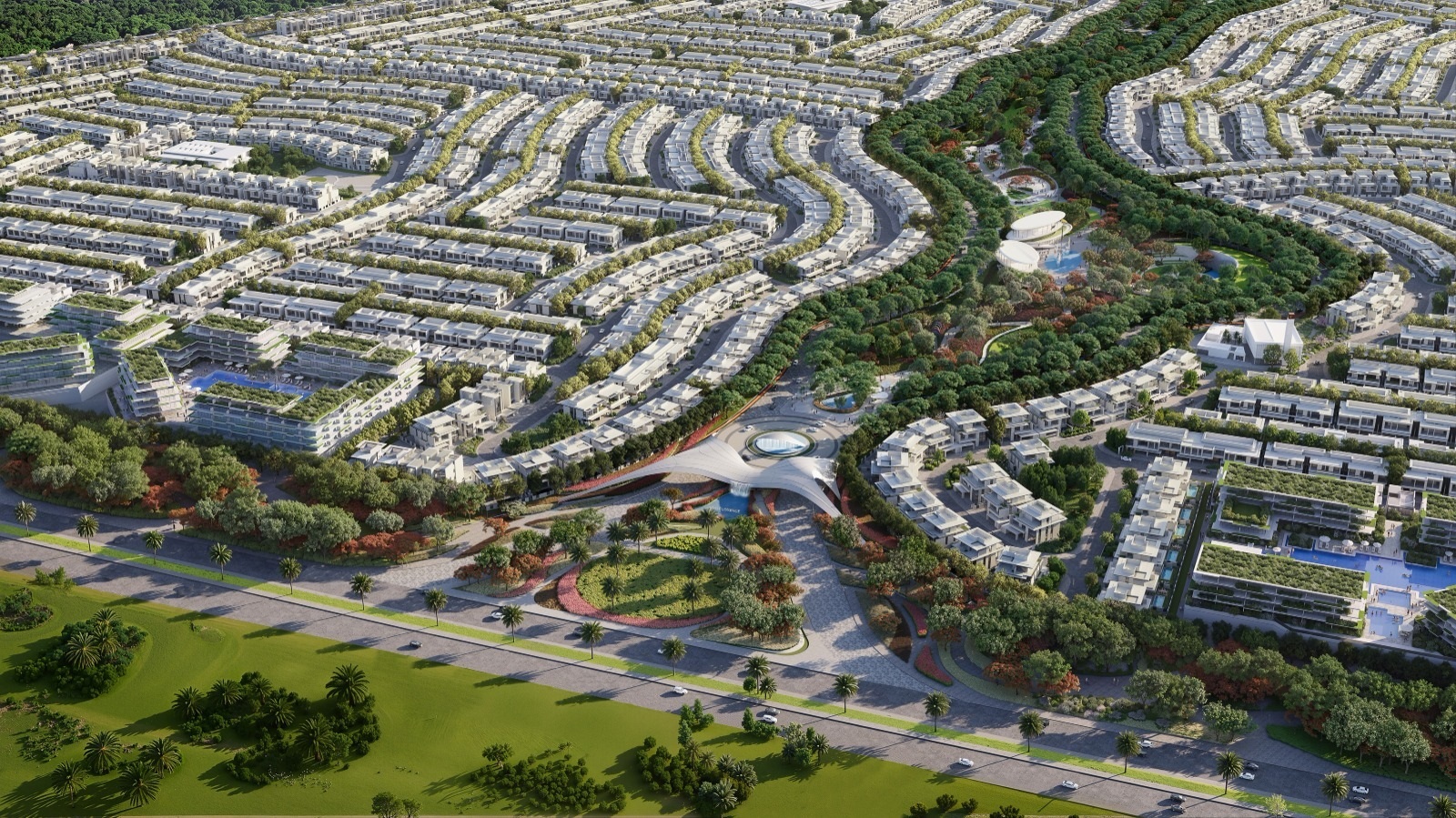
Sharjah is set to receive one of its largest new residential communities, with Azizi Developments unveiling plans for a US$8.1 billion master-planned precinct containing more than 10,000 homes.
Named Azizi Florence, the freehold development will comprise 1,130 villas, more than 6,000 townhouses and 3,500 apartments. Three-bedroom townhouses will start from US$515,000, with an indicative rate of US$231 per square foot of saleable space.
The project marks the Dubai-based developer’s first move into Sharjah, expanding a portfolio that includes the planned Burj Azizi skyscraper and the Azizi Venice community in Dubai.
Rather than treating landscaping as an afterthought, Azizi Florence will be organised around a 1.7 million sq ft central park.
The wider precinct is planned as a self-contained neighbourhood combining homes with retail, hospitality, education, leisure and wellness facilities.
Six residential clusters will sit within the development, each with its own park, clubhouse, community centre and landscaped gardens. The approach reflects a broader shift across large Middle Eastern developments, where greenery, recreation and everyday convenience are increasingly central to the residential proposition.
The scale of Azizi Florence suggests it is intended to function as a neighbourhood rather than a collection of housing estates. Its mix of housing types should also give the project broader appeal, accommodating apartment buyers alongside families seeking townhouses or standalone villas.
Azizi Developments has delivered more than 45,000 homes to buyers from over 100 countries and says it has approximately 150,000 units under construction.
Much of its growth has been concentrated in Dubai, where its portfolio extends across Palm Jumeirah, Mohammed Bin Rashid City, Dubai South, Sheikh Zayed Road and Downtown Jebel Ali.
Its most prominent current project is Burj Azizi, which is intended to become the world’s second-tallest building. Azizi Florence represents a different type of undertaking: a low-rise, family-oriented community built around public space and daily amenity.
For company founder and chairman Mirwais Azizi, the Sharjah project also carries a personal connection. The emirate was his first home in the UAE more than three decades ago, adding a symbolic dimension to the developer’s expansion.
Although Dubai and Abu Dhabi have traditionally captured much of the international attention directed at the UAE property market, Sharjah has been steadily broadening its residential offering.
Large freehold communities such as Azizi Florence have the potential to attract both local families and international purchasers looking for comparatively accessible entry points into the Emirates’ property market.
At a starting price of US$515,000, the project’s three-bedroom townhouses will sit well below the cost of equivalent family homes in many of Dubai’s more established luxury communities.
The ultimate appeal, however, will depend on execution. At this scale, the quality of the public realm, connections between residential clusters and delivery of the promised supporting infrastructure will be as important as the homes themselves.
If those elements come together, Azizi Florence could help establish a new benchmark for large-scale residential development in Sharjah—and give buyers another option beyond the UAE’s better-known property markets.
