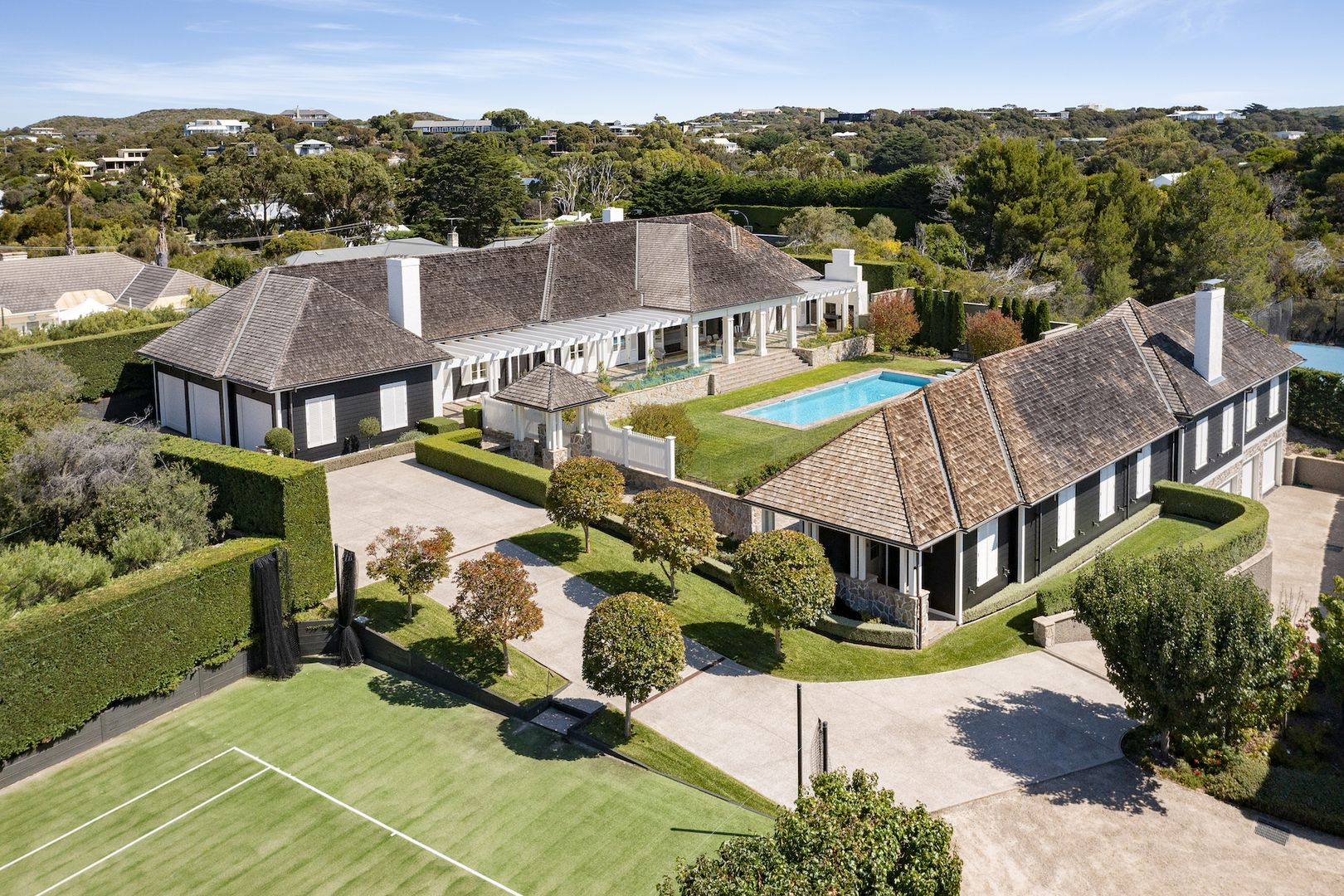
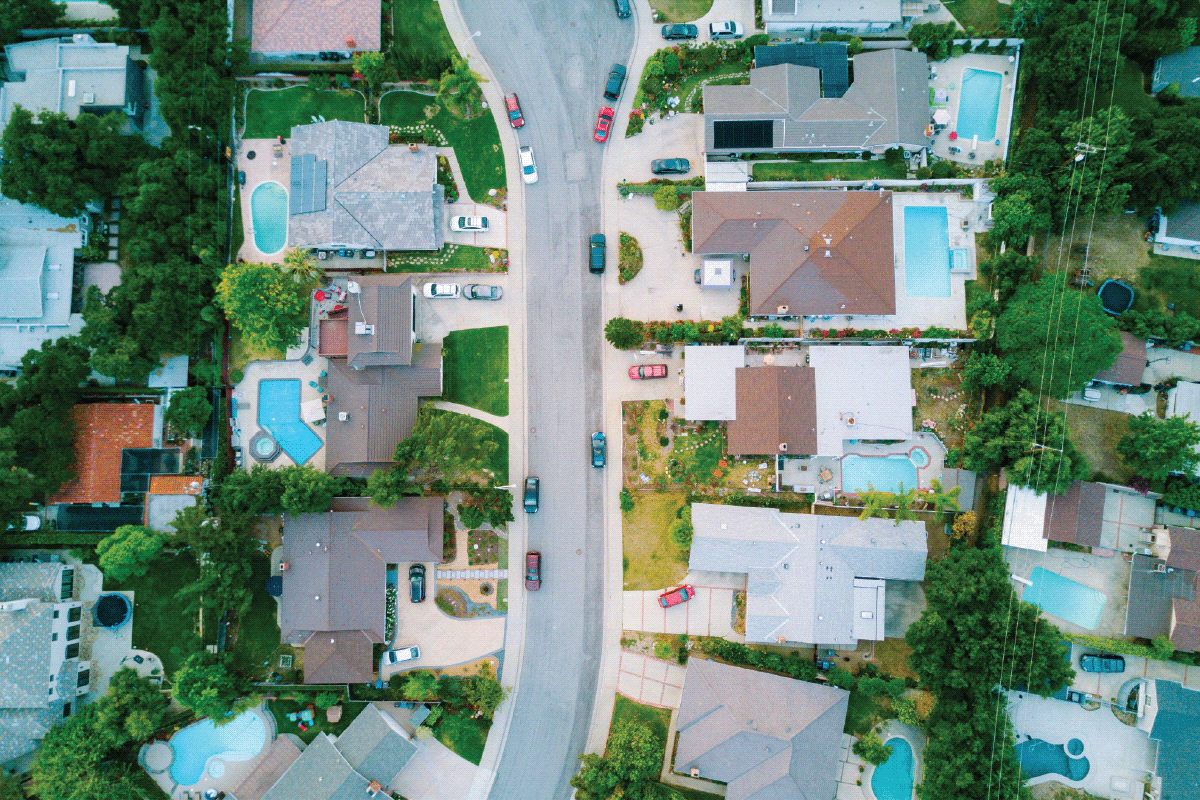
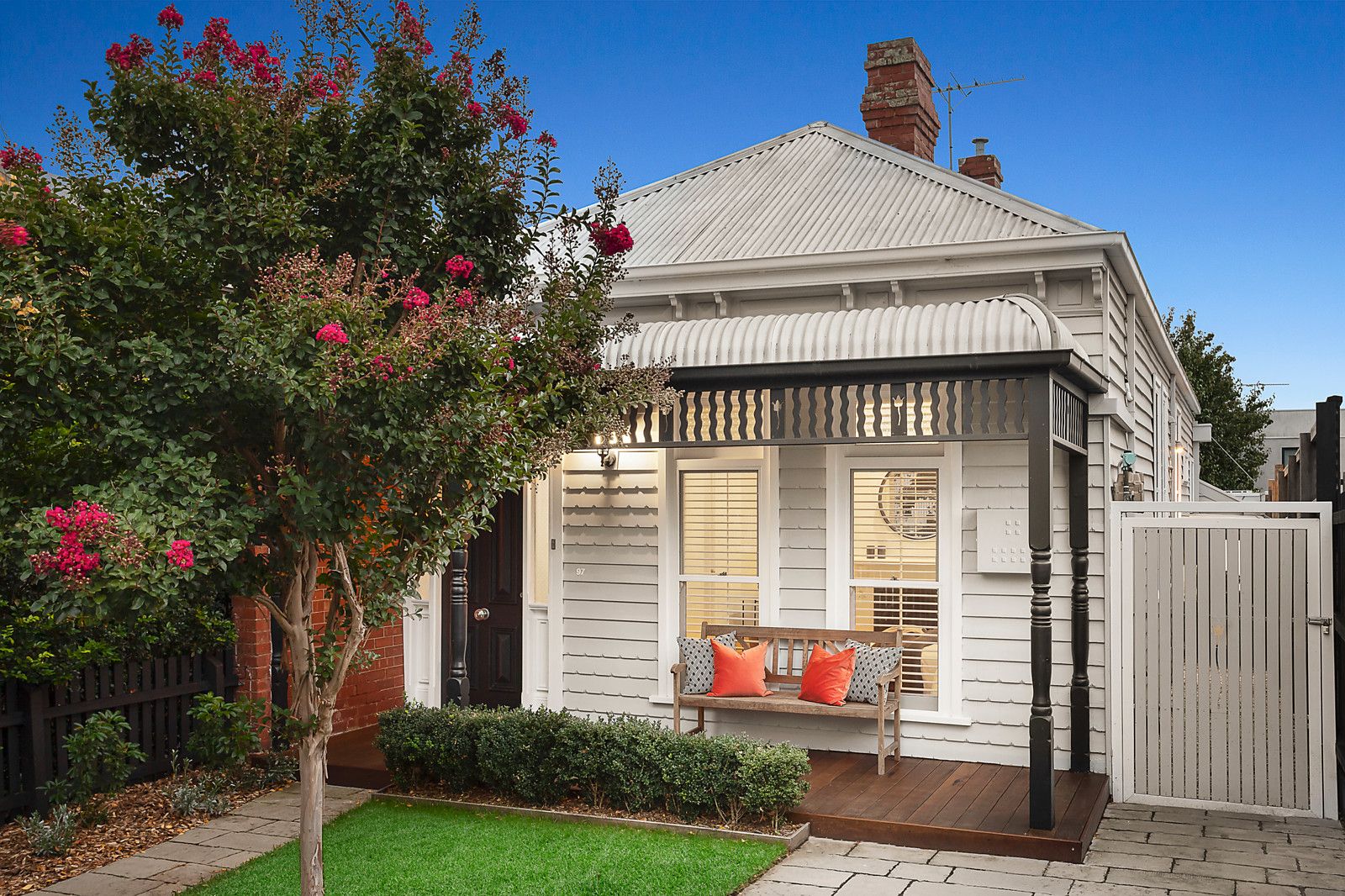
Five Brisbane Properties For $800,000

3/38 Oriel Road, Clayfield, QLD

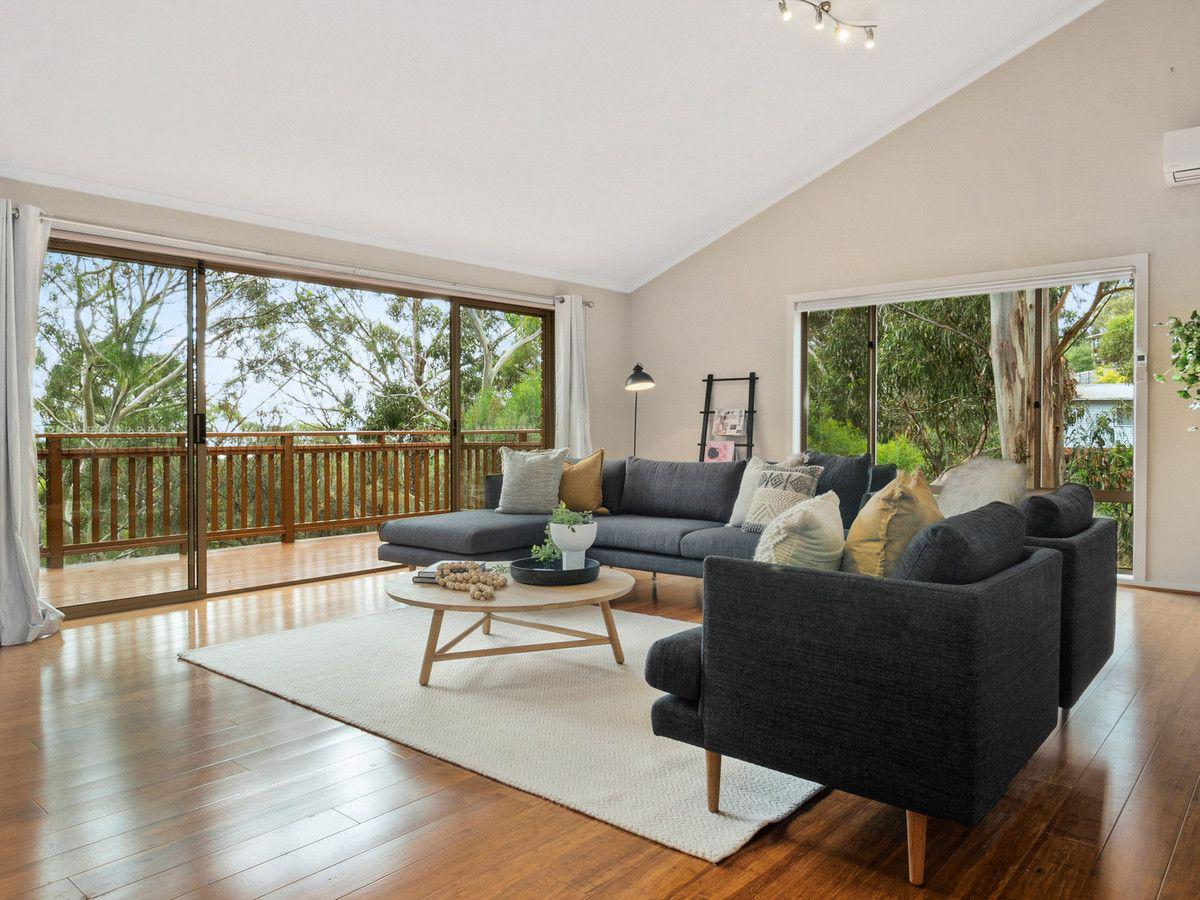
Presenting immaculate style and presentation is this spacious, recently renovated townhouse.

Bringing with it a resort-style feel, the exceptional home – with 3-bedrooms, 2-bathrooms, 1-garage – arrives with a spacious kitchen with stone benchtops and stainless steel appliances.

Here, the open plan living and dining areas flow through to the private entertaining alfresco area.

Elsewhere, a master bedroom is complete with an ensuite and walk-in robe. Two other bedrooms complete the residence.

The home is nearby to all Clayfield has to offer including supermarkets, dining, express buses to the CBD, schools and more. The listing is with David Sullivan (+61 447 070 595) of One Percent Property Sales. Price guide $699,995; onepercent.com.au


4/22 Worden Street, Morningside, QLD 

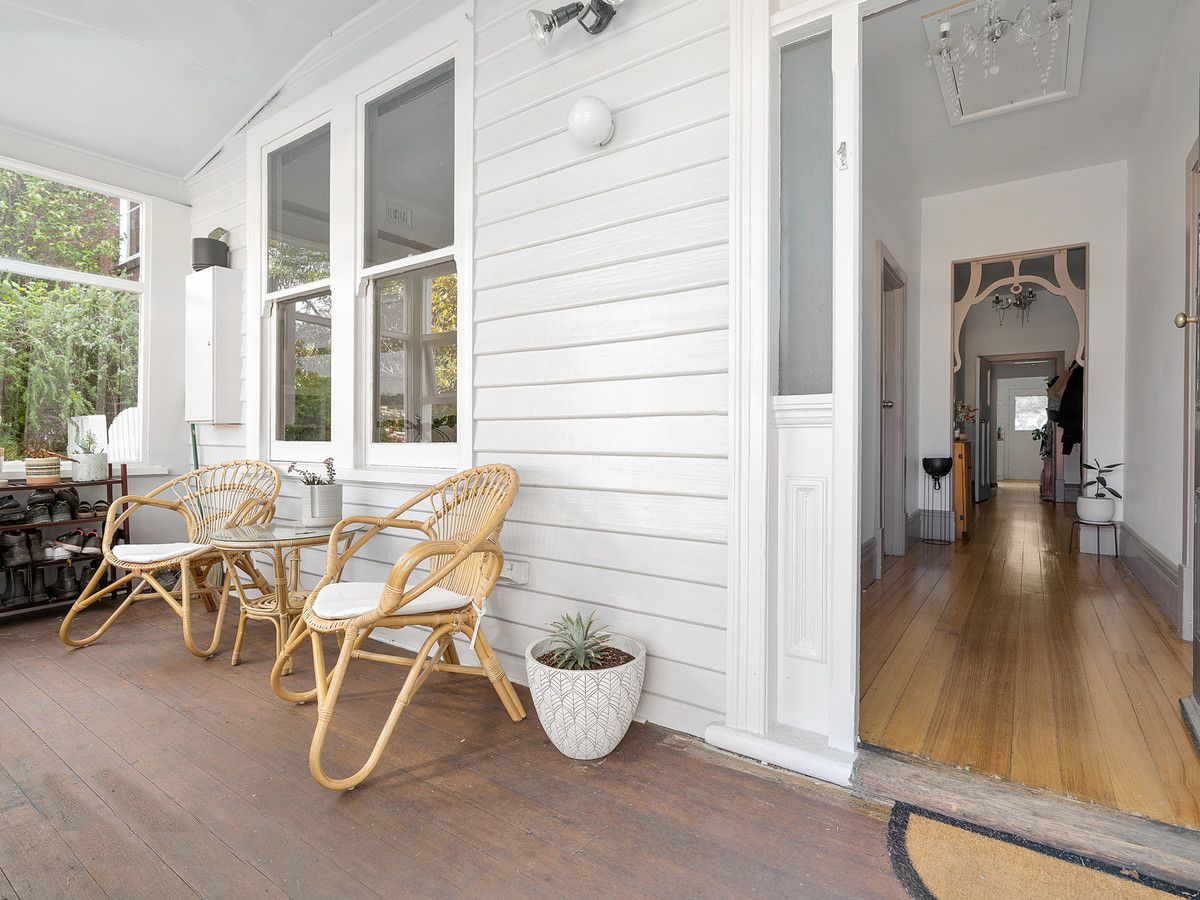
Perfectly balancing a low-maintenance lifestyle with features of a much larger property, this dual level residence brings immaculate interiors and excellent entertaining options.

Details like polished timber flooring, crisp white colour palette and plantation shutters are accompaniments to the home’s 3-bedroom, 2-bedroom, 1-garage – intelligent layout.

The ground floor sees a spacious open-plan living and dining area with a modern kitchen, that extends towards the connecting alfresco area and leads to an exclusive fully fenced grassed courtyard featuring established gardens.

The master bedroom encompasses a walk-in robe, stylish ensuite, while two additional bedrooms are fitted with built-in robes.

Minutes from Morningside train station and Cannon Hill Kmart Plaza, the home is nearby to the fashionable Oxford Street and Hawthorne Ferry Terminal.

The property is to go to auction, with listing agent Tammy Dale (+61 407 120 099) of Place Bulimba overseeing the listing. Eplace.com


2/54 Miskin Street, Toowong, Qld

This tri-level townhouse is in a class of its own. Sleeks lines and a superb fit-out are just part of the build as the property boasts a relaxed ambience throughout with abundant natural light and ventilation.

The indoor-outdoor layout is afforded via dual sets of French doors that open out to a private entertainer’s terrace overlooking the lush, landscaped gardens.

Further a spacious designer kitchen – featuring smart storage, capacity, stainless steel quality appliances, dishwasher, large breakfast bar.

Upstairs, the top-level offers three generous sized bedrooms, two with access to the front veranda, while the master boasts private ensuite. Additional bedrooms are serviced by a central bathroom.

Entertainment surrounds with Toowong and Indooroopilly shopping centres moments away and the residence centrally located to parks, universities, schools and transport directly to Brisbane CBD.

The listing is with Chris Gower (+61 438 882 780) of Gower Property Group; gowerpropertygroup.com.au


3 Kelly Lane, Norman Park, QLD

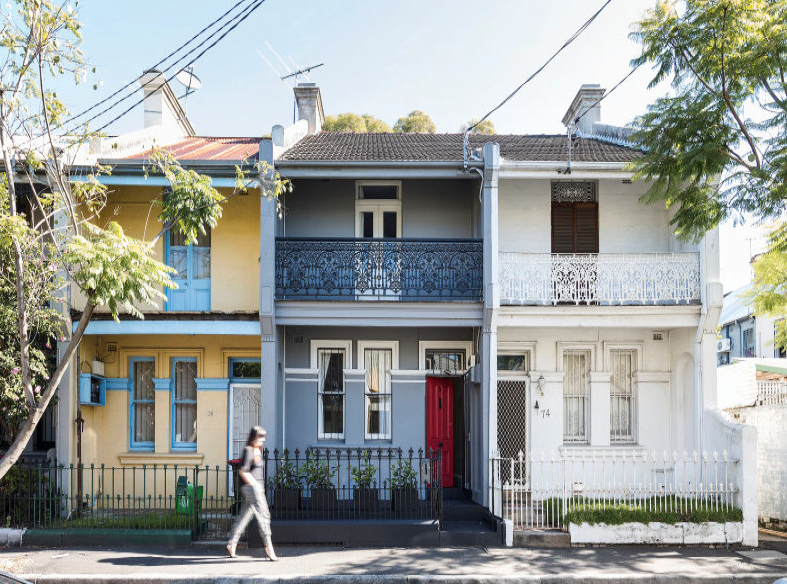
Very rarely do opportunities like this become available to the market. Here, the 3-bedroom, 2-bathroom, 2 car garage freehold terrace in Norman Park is elevated on a low-maintenance block of 150sqm.

Fitted with parquet flooring, stone benchtops, in the kitchen, ceiling fans throughout, open plan living areas and city views.

The home is split into two levels, with the bedrooms, including the master suite – complete with ensuite and private balcony – residing on the upper level.

Downstairs, the living area flows out to a private courtyard, while the dining space and kitchen open towards the landscaped alfresco dining area.

The listing is for auction with Henry Hodge of Henry Hodge Real Estate (+61 0404 430 327); henryhodge.com.au


31/153 Lambert Street, Kangaroo Point, Qld

Step inside this stylish sub-penthouse with river views ideally located in the Kangaroo Point hub and experience all Brisbane’s inner-city lifestyle has to offer.

Designed with both relaxed living and entertaining firmly in mind, the 3-bedroom, 2-bathroom, 2-car parking apartment’s open plan living areas are privy to floor-to ceiling glass opening to the outdoor balcony.

Further, the apartment boasts a full-length entertainer’s balcony overlooking the Brisbane river, a functional kitchen with stainless steel appliances connected to open plan tiled dining and living areas.

Elsewhere the main bedroom is fitted with a study nook and access to the balcony, while two other good size bedrooms round out the apartment.

The apartment also has access to a lap pool and communal entertaining area.

Minutes away from the river boardwalk and greenery of Mowbray park, the residence has access to the best restaurants, shops and entertainment in Kangaroo Point and the CBD.

The property is heading to auction with Harcourts Homeside Pattie Steele (+61 402 908 271) the listing. Homeside.harcourts.com.au


Elon Musk’s Satellite Internet Project Is Too Risky, Rivals Say

Elon Musk’s internet satellite venture has spawned an unlikely alliance of competitors, regulators and experts who say the billionaire is building a near-monopoly that is threatening space safety and the environment.

The Starlink project, owned by Mr. Musk’s Space Exploration Technologies Corp. or SpaceX, is authorized to send some 12,000 satellites into orbit to beam superfast internet to every corner of the Earth. It has sought permission for another 30,000.

Now, rival companies such as Viasat Inc., OneWeb Global Ltd., Hughes Network Systems and Boeing Co. are challenging Starlink’s space race in front of regulators in the U.S. and Europe. Some complain that Mr. Musk’s satellites are blocking their own devices’ signals and have physically endangered their fleets.

Mr. Musk’s endeavor is still in beta testing but it has already disrupted the industry, and even spurred the European Union to develop a rival space-based internet project to be unveiled by the end of the year.

The critics’ main argument is that Mr. Musk’s launch-first, upgrade-later principle, which made his Tesla Inc. electric car company a pioneer, gives priority to speed over quality, filling Earth’s already crowded orbit with satellites that may need fixing after they launch.

“SpaceX has a gung-ho approach to space,” said Chris McLaughlin, government affairs chief for rival OneWeb. “Every one of our satellites is like a Ford Focus—it does the same thing, it gets tested, it works—while Starlink satellites are like Teslas: They launch them and then they have to upgrade and fix them, or even replace them altogether,” Mr. McLaughlin said.

SpaceX didn’t respond to requests for comment.

Around 5% of the first batch of Starlink satellites failed, SpaceX said in 2019. They were left to gradually fall back to earth and vaporize in the process. In November 2020, astrophysicist Jonathan McDowell of the Harvard-Smithsonian Center for Astrophysics calculated that the Starlink failure rate was nearly 3%. Mr. McDowell said Starlink has vastly improved the design of their satellites since then, and that the failure rate is currently below 1%, and on track to improve further.

Even with the constant improvement, Mr. McDowell said, Starlink will operate so many satellites that even a low failure rate would mean a relatively high threat to orbital safety because of the potential for collisions. “They clearly have been making continuous improvements…but it’s a challenging thing they are doing and it’s not clear that they will be able to manage the final constellation,” he said.

Starlink operates more than 1,300 spacecraft in Earth’s lower orbit and is adding some 120 more every month. Its fleet is now on track to top the total number of satellites that have been launched since the 1950s—around 9,000.

Orbital space is finite, and the current lack of universal regulation means companies can place satellites on a first-come, first-served basis. And Mr. Musk is on track to stake a claim for most of the free orbital real estate, largely because, unlike competitors, he owns his own rockets.

In the coming days, the Federal Communications Commission in the U.S. is set to approve a request by SpaceX to modify its license and allow a greater number of satellites to orbit at a lower altitude of around 550 kilometres (a kilometre is 0.625 mile). If approved, competitor satellites would have to navigate around SpaceX’s fleet to place their own spacecraft.

Other companies operating in space have asked the FCC to impose conditions on SpaceX, including lowering its fleet’s failure rate to 1 in 1,000, and improving collision-avoidance capabilities while ensuring they don’t block the transmissions of other craft orbiting above them.

“You should have fewer satellites and make them more capable,” Mark Dankberg, Viasat founder and executive chairman, said.

On Twitter, Mr. Musk commented on Mr. Dankberg’s earlier warnings that his company posed a hazard to orbital traffic by tweeting: “Starlink ‘poses a hazard’ to Viasat’s profits, more like it.”

A spokesman for Boeing, which is also challenging Starlink at the FCC, said it is “critically important to the future of a safe and sustainable orbital environment that standards be globally consistent and enable a competitive playing field.”

In the region of space where Starlink operates, satellites orbit the earth at 18,000 miles an hour. Any collision could spread high-velocity debris that could make the orbit unusable for years.

Competitors say Starlink satellites have low maneuverability, meaning that other firms’ craft have to act when collisions threaten.

Starlink satellites have come alarmingly close to other spacecraft twice in the last two years, including on April 2, when a Starlink satellite prompted another operated by OneWeb, controlled by Indian conglomerate Bharti Global and the U.K. government, to make evasive maneuvers, according to OneWeb and the U.S. Space Command.

Mr. Musk’s satellites are equipped with an AI-powered, automated collision avoidance system. Yet that system had to be switched off when a Starlink satellite came within 190 feet of the rival’s satellite this month, according to OneWeb’s Mr. McLaughlin.

When contacted by OneWeb, Starlink’s engineers said they couldn’t do anything to avoid a collision and switched off the collision avoidance system so OneWeb could maneuver around the Starlink satellite without interference, according to Mr. McLaughlin.

Starlink hasn’t revealed details about their AI collision avoidance system. Mr. McDowell, the astrophysicist, said it was hard to take any such system seriously when it remains unclear what data it uses to operate.

A similar incident took place in late 2019, when a Starlink satellite was on a near-collision course with an EU weather satellite, according to the European Space Agency, which runs EU satellites. The agency said it was only able to contact Starlink via email and the company told it they would take no action, so EU engineers had to initiate a collision avoidance maneuver.

SpaceX didn’t reply to requests for comment about the two incidents

Lower earth orbit is getting crowded with broadband satellite constellations: Amazon.com Inc.’s Project Kuiper aims to put out 3,200 satellites, Britain’s OneWeb about 700 and Telesat of Canada around 300. Russia and China are working on their own, potentially massive, constellations.

An EU official said that owning a constellation that can beam broadband internet to Earth is a strategic priority for the bloc. It is expected to publish a road map for a public-private partnership to create a broadband satellite fleet worth around €6 billion, equivalent to $7.19 billion, by the end of the year.

Space-safety experts say the number of projects means more regulation is needed to avoid potential catastrophes.

“It’s a race to the bottom in terms of getting as much stuff up there as possible to claim orbital real estate,” said Moriba Jah, associate professor at the Department of Aerospace Engineering and Engineering Mechanics at the University of Texas at Austin. “Musk is just doing what’s legal…but legal is not necessarily safe or sustainable.”

Nevertheless, most governments welcome the onset of satellite-beamed broadband as a cheaper and faster alternative to building broadband networks. In Germany, Europe’s biggest economy, the leading telecom provider Deutsche Telekom recently signalled a willingness to join with Starlink.

“I’m a great admirer of Elon Musk and his ideas,” Deutsche Telekom Chief Executive Timotheus Höttges said in January.


Reprinted by permission of The Wall Street Journal, Copyright 2021 Dow Jones & Company. Inc. All Rights Reserved Worldwide. Original date of publication: April 19, 2021

Robust Demand Pushes U.K. Home Prices to All-Time Highs

Homes hitting the market in the U.K. are more expensive than ever, with prices propelled by a flood of zealous buyers, tax breaks and low mortgage rates, according to a report Monday from Rightmove.

From March 7-April 10, asking prices for newly listed homes jumped 2.1% from the roughly four weeks prior, equating to an increase of £6,733 (A$12,096) that pushed the average national asking price to an all-time high of £327,797 (A$588,909), the online property portal said.

“This is only the second time over the past five years that prices have increased by over 2% in a month, so it’s a big jump, especially bearing in mind that the lockdown restrictions are still limiting the population’s movements and activities,” Tim Bannister, Rightmove’s director of property data, said in the report.

In England, lockdown measures eased last week, and the government has said it hopes to lift almost all restrictions by the tail-end of June if strict conditions are met. Individual timelines are in place in Scotland, Wales and Northern Ireland.

The property market has remained fully open and operating throughout wider limitations, “and is fully active to such an extent that frenzied buyer activity has helped to push the average price of property coming to market to an all-time high,” Mr. Bannister said.

“The stars have aligned for this spring price surge, with buyers’ new space requirements being part of the constellation alongside cheap mortgages, stamp duty holiday extensions in England and Wales, government support for 95% mortgages and a shortage of suitable property to buy,” he added, noting that the coronavirus vaccination rollout is also injecting growing optimism into the market.

In March, the government announced that it would prolong the stamp duty holiday. Introduced last July, the tax break scrapped the transfer tax on the first £500,000 of a home sale, for a maximum savings of £15,000.

Originally set to expire at the end of March, the initiative has been fully extended until the end of June and will taper off by the end September.

But as those economic support measures begin to come to a close later in the year, “some of the froth is likely to come off this spring surge,” though activity is expected to remain robust for the remainder of the year, the report said.

These High-Tech Garden Tools Will Do Your Yard Work for You

Whenever the weather permits, Britt Wood drinks his morning coffee on his patio, proudly watching his little guy mow his lawn. No, he doesn’t have a particularly diligent son. Mr. Wood, the CEO of the National Association of Landscape Professionals, recently purchased an autonomous robot that drives around his South Riding, Va., yard, quietly munching each blade of grass down to the ideal 2½-inch height.

“It makes life a little easier,” said Mr. Wood of the convenient, “pet-like” robot. “Once you get one of these, your lawn never looks better.”

If 2020 was the year that many grew dependent on their backyards as a safe outdoor refuge, then 2021 might be the year they figure out how to spend less time maintaining their go-to retreats. One appealing solution: Upgrade the way you nurture your corner of nature with techy new tools—from robots that cut down weeds to sprinkler systems that rejig their run time depending on impending weather.

Anything that lets Americans enjoy more stress-free hours outside is good news: 27% of homeowners overhauled their gardens in 2020 and 19% plan to tackle an outdoor improvement project in 2021, according to a December 2020 survey by tool manufacturer Craftsman.

Here, our guide to the gear that might leave your neighbours wondering how you’ve gotten your garden so trim and tidy.

Lawn Labourers

Set an autonomous electric mower like Husqvarna’s Automower to run overnight and you can sleep later the next day—and achieve a cleaner, greener cut than most push models can deliver. By giving grass a regular (even daily) trim instead of lobbing off a lot once weekly, robo mowers leave small clippings the soil can more easily reabsorb, said Frank Mariani, the owner of Mariani Landscaping in Lake Bluff, Ill. An app controls the mower’s schedule, sets trimming height and, once you install the included boundary wires around your property, pings you if the robot leaves your yard in the arms of a jealous thief. Depending on the model, the mowers can chug away for up to four hours per charge, and, like Roombas, drive themselves back to their doghouse-like charging stations to juice back up. With their sensors, robo mowers are also safer than most manual counterparts. “You could practically lay your baby in front of the mower and nothing would happen,” Mr. Mariani said. When choosing a mower, consider the square footage and incline of your yard. Many less-expensive, lower-powered models freeze up on hills to prevent toppling. And be warned: an automower won’t give your lawn stripes of just-mowed green. (From $1699, husqvarna.com)

Wise Waterers

Water your grass too little, and it will shrivel into straw. Too often, and you’ll weaken the roots while encouraging mould and bacteria to grow. “That’s where smart irrigation comes in,” said Mr. Wood, who explained that smart weather-and-moisture-sensing systems outperform traditional irrigation setups—and waste less water—when it comes to keeping your garden hydrated. The Rachio 3 smart irrigation system controller, for example, automatically adjusts your watering schedule to coming weather patterns in your area. Just replace your old sprinkler controller with Rachio’s using the wires from your existing setup, and use the companion app to set a watering schedule for your system’s eight or 16 zones (from approx. $300, rachio.com). For the most strategic watering schedule possible, pair the Rachio with Weatherflow’s new Tempest Weather System. Once you install the water bottle-sized personal weather station on a post or pole 6 feet off the ground, the device will provide a forecast via its companion app that beats the local news for accuracy. The Tempest app will even alert you to garden-wrecking weather events like frost and high winds. (approx. $420, weatherflow.com).

To avoid making the same deadly watering mistakes in your potted plants and container gardens, stick Ecowitt’s unobtrusive Soil Moisture Sensor with Digital LCD Display into the soil. The device measures root wetness to tell you via a delightful potted plant graphic on the display when it’s time to water ($40, www.ecowitt.com). Alternatively, opt for a pot that does the measuring for you. Just fill the Self-Watering Wet Pot’s outer glass reservoir with water, and your finicky forsythia will absorb only what it needs through the inner, terra-cotta pot walls (from around $44, store.moma.org).

Hedge Hairstylists

Heavy, roaring, gas-powered trimmers can seem more than mildly threatening. But new, electric variants are tame enough to let anyone become a serene topiary artist. “The [battery] tech is finally to a point where it really makes sense to use it,” said Mr. Wood of the quiet, cordless models that have recently hit the market. At only 5 pounds, Craftsman’s new V20 Cordless 2-In-1 Hedge Trimmer and Grass Shear Kit is lightweight enough to let you one-handedly hack at unruly bushes and overgrown flower beds ($80, lowes.com). Komok’s Cordless Electric Pruning Shears, meanwhile, use a carbon-steel blade and brushless motor to deftly cut through branches up to 1.2 inches thick ($296, amazon.com). The best part? Your neighbours won’t want to turn the hose on you for disturbing the peace all afternoon.

Weed Cutters

Sure, you could crouch in the dirt pulling weeds out by the root. Or, you could sic the turtle-like Tertill Garden Weeding Robot on them. Every day, the Tertill roams your plant beds, chopping the tops off emerging weeds before they suffocate your dahlias. With a rugged, weatherproof shell and top-mounted solar panel to power the device, it can stay in your garden all season long. Just remember to cage your seedlings. (approx. $450, tertill.com)

Flight Tracker

Feel like you take wildlife for granted? Try the Bird Buddy smart feeder to acquaint yourself with your local flying families. Using AI, an integrated camera and a companion phone app, the device counts up the variety of species who have come to nosh. “It’s like Pokémon Go for birds,” said co-founder Franci Zidar of the way the app turns attracting avian visitors into a game. Just add bird seed. (approx. $245, mybirdbuddy.com)

POSTAL ROOTS

Subscription services that deliver seeds, moss and more to your door

Moss of the Month

For forest-y vibes in a shady corner of your backyard or a shot of color in an austere rock garden, moss does nicely. Monthly deliveries from the forests of Arkansas give you the chance to decorate with spiky haircap, plush pillow and delicate fern mosses. (around $62 for three months, teresasplants.com)

My Garden Box

Gardening is about more than just the green stuff that comes out of the dirt. While it certainly delivers live plants, like Japanese painted ferns and Crotons, this subscription plan often includes interesting containers, soil and fertilizer, tools and accessories. (approx. $50 a month, mygardenbox.com)

Gardenuity

This quarterly box from container-gardening experts based in Dallas delivers healthy, rooted herbs and flowers, selected for your region and growing conditions. You’ll also get access to Gardenuity’s Grow Pro service, with on-call expert advice and weather alerts. (approx. 193, gardenuity.com)

Bloomin Bin

While most garden plans focus on spring and summer plots, Bloomin Bin gives you year-round, season-specific seeds and saplings in a quarterly box. Each one comes with detailed care instructions from a master gardener, and a choice of flowers or fruits/vegetables. (From $10, bloominbin.com)

Seed Bank Box

Each month, subscribers receive eight to 10 varieties of organic seeds of unusual herbs, edible flowers and vegetables along with info cards. The April box includes seeds for Thai Pink Egg Tomatoes, Carentan Leeks, and Red Fire Orach. (around $28 a month, seedbankbox.com)

—Matthew Kronsberg

BACK TO BASICS

Professional green thumbs on no-tech, time-honoured paths to perfecting your plot

Edwina von Gal

Landscape Designer, founder of the Perfect Earth Project

If you’re willing to mow higher and let your lawn look more relaxed and thicker, the grass will naturally out-compete weeds. We say that you grow to 4 inches, then cut to 3 inches. It should look tousled—like you want to flop into it.

Patricia Algara

Founding Principal of BASE Landscape Architecture

Any space, no matter the size, can be a bee-friendly, pollinator garden. Even on your balcony, a pot of flowers (bees love blue and purple) can provide them with food. Leave fresh water with stones or marbles so bees can drink without drowning.

Beronda Montgomery

Author of Lessons from Plants

Grow plants of the same height together, like purple coneflowers and black-eyed Susans, or companion plants that require different, complementary nutrients. These types of pairings are beneficial because they limit biological competition for access to light or nutrients.

Dan Bifano

Master Rosarian

You don’t want to put roses where they don’t want to grow. As in real estate, it’s location, location, location. Planting in good, sandy, loamy soil that drains well (but not too well), in a sunny location with good air circulation is going to give you an exceptional rose garden.

Julie Hess

Senior Horticulturist, Missouri Botanical Garden

One of the best things you can do if your area has clay soil, besides add compost, is to add calcined clay-like Turface MVP. As counterintuitive as it sounds, it’ll even out moisture retention, improve drainage and reduce compaction.

–M. K.

Reprinted by permission of The Wall Street Journal, Copyright 2021 Dow Jones & Company. Inc. All Rights Reserved Worldwide. Original date of publication: April 16, 2021.

Home Auction Markets Re-Focus

The weekend produced strong home auction results for sellers across the country with all capitals recording auction clearance rates well above 80% on Saturday, April 17, with the exception of Melbourne at 79.7%.

The number of listings nationally followed on from last week’s strong outing and was well ahead of last year’s auctions over the same Saturday.

The Sydney market rebounded reporting a rate of 86.2%, well above the 82.4% recorded the previous weekend and significantly higher than the COVID impacted 35.2% recorded over the same weekend last year. Despite the results, the weekend’s figure was lower than the 90.1% monthly average.

Saturday auction numbers in Sydney were strong with 785 homes listed for sale, above the 692 listed over the same Saturday last year.

Sydney recorded a median price for houses sold at auction on the weekend of $1,560,000 which was 1.0% higher than the $1,550,000 reported over the previous Saturday.

Melbourne reported a weekend clearance rate of 79.7%, which was just above the season-low of 79.1%, but well above the 28.7% COVID-related result of the same weekend last year.

1062 homes were reported listed for auction on Saturday which was well above the 905 auctioned over the previous weekend and higher than the 834 auctioned over the same Saturday last year.

Melbourne recorded a median price of $999,900 for houses sold at auction on the weekend which was 5.7% higher than the $945,750 recorded over the previous weekend.

Data powered by Dr Andrew Wilson of MyHousingMarket.com.au

Prestige Property: 2 Frying Pan Track, Noosa North Shore, QLD

Set in the idylls of Noosa North Shore comes this heavenly designer residence known as Eden.

It wears the name well with the 1049sqm, 4-bedroom, 3-bedroom, 7-car garaging home set on 1.61 hectares amongst the trees and botanical-like native gardens on one of the largest waterfront reserve parcels on the Noosa North Shore.

The façade boasts modernist, geometric lines, combined with a palette of strategically placed hanging gardens, natural stone, timber, glass – with the water’s edge merely an extension of the front garden.

From the portico and atrium entrance, generosity is the word that comes to mind. Inside, elevated finishes of marble flooring decorate while light pours through the home via walls of glass offering panoramic water and garden views.

Inside, the major living spaces seamlessly open out on three sides to terraces, sun decks, a gazebo and a pool with Balinese volcanic rock tiles.

The ideal entertainer, the kitchen sees an oversized butler’s pantry with a marble-topped island breakfast bar and Miele dishwasher and ovens, a double-height wine fridge, and banks of storage.

The home is split into what can be best described as suites. The ground floor sees a guest suite with sitting room, ensuite and walk-in-robe. Elsewhere, upstairs has a 2-bedroom, 2-bathroom master retreat complete with its own living area – again, complete with water views.

Separate is the north wing. Here one finds the king master suite with wide views of the Noosa River mouth and Noosa Heads. The suite is complete with its own private balcony, freestanding bathtub (part of the open bathroom) walk-in robe, dressing room and dedicated office area.

Only 5-minutes by boat across the river to Noosaville’s Gympie Terrace, and a little further on is vibrant Noosa Heads and its restaurants and shopping.

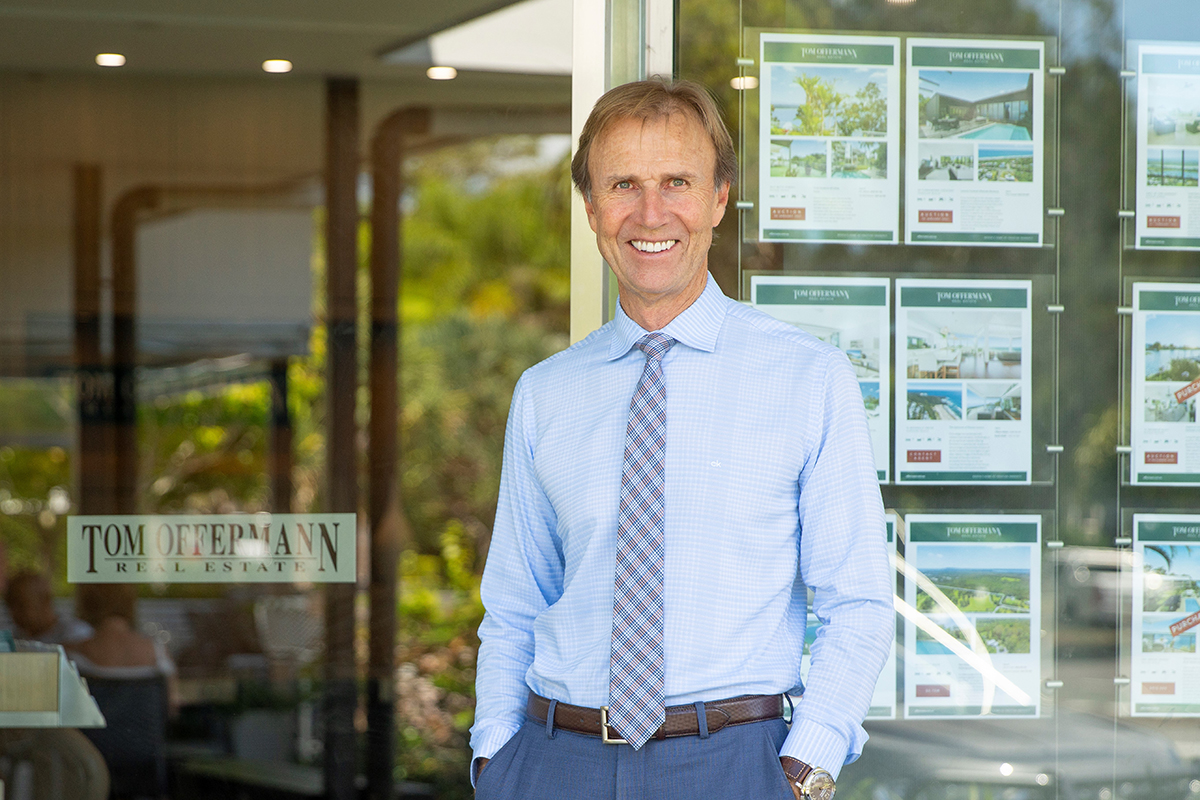
The listing is with Tom Offermann Real Estate’s Nic Hunter (+61 421 785 512). Price guide: $7 million; offermann.com.au

Oracle’s Larry Ellison Buys Palm Beach Mansion

Oracle co-founder Larry Ellison has purchased a North Palm Beach mansion from hedge-fund manager Gabe Hoffman, the founder of Accipiter Capital Management, for $80 million, according to two people familiar with the deal. The property sold for just above its $100 million asking price.

Mr. Ellison could not immediately be reached for comment.

The oceanfront compound has over 158-metres of ocean frontage in the ultra-pricey Seminole Landing neighbourhood, according to the listing. Seminole is a gated community with 24-hour security.

The estate is one of the priciest ever to have traded in Florida. PHOTO: DOUGLAS ELLIMAN

The 1440-sqmTuscan-style property has seven bedrooms, a home theatre and a wine room. It also includes a tennis court and is one of a handful of properties in Florida where someone could land and take off in a helicopter from the estate, according to the listing.

The property sold for slightly above its asking price. PHOTO: DOUGLAS ELLIMAN

Mr. Hoffman bought the main parcel in 2012 for US$17.5 million and put the house on the market in June 2020, records show. He was not immediately available for comment.

Chris Leavitt and Ashley McIntosh of Douglas Elliman represented Mr. Hoffman. Tonja Garamella of Douglas Elliman represented Mr. Ellison. Both sets of agents declined to comment.

Electric-Vehicle Startup XPeng Bets On Tech That Tesla Rejects

GUANGZHOU—Once a Tesla Inc. fan who owned four of its vehicles, He Xiaopeng, co-founder of Chinese electric-vehicle startup XPeng Inc., now wants to overtake the car company that originally inspired him.

While acknowledging Tesla as an inspiration, Mr. He said XPeng—one of three Chinese EV companies listed in the U.S.—can win using innovation, an area in which Chinese technology companies have become increasingly formidable.

“We have a saying in China,” Mr. He said in an interview Wednesday at XPeng’s headquarters in the southern city of Guangzhou. “To defeat someone, you need to do something different.”

XPeng, alongside its U.S.-listed peers Li Auto Inc. and Nio Inc., has taken investors on a wild ride over the past eight months.

The company’s August listing on the New York Stock Exchange valued it at US$8 billion. By November its value had jumped to nearly $58 billion. Now it is back down to about US$27 billion. In March, the Shanghai-based research firm Hurun Report said Mr. He was worth US$11 billion.

XPeng unveiled its third production vehicle, the P5 sedan, in Guangzhou on Wednesday. Deliveries of the P5, which is said to have approx. 600km driving range, are due to start this year. The company didn’t announce the car’s price, though it will be lower than the in-production P7 sedan, which starts at roughly $60,000 and is a direct competitor of the made-in-China Tesla Model 3, which costs the equivalent of about $66,900.

XPeng began low-volume exports to Europe in December and plans to enter the U.S. market in the future.

Considered by some analysts as the most tech-centric of China’s EV players, Xpeng deploys a voice-operated user interface in its cars, and an autonomous-driving system for use on stretches of highway with 5G internet coverage.

It recently tested the software by sending a fleet of its cars on a 3540km trip from Guangzhou to Beijing, and logging 0.71 human-operator interventions per 100 km—a new benchmark for self-driving cars, the company claimed. On the roughly 320km Shanghai to Nanjing leg attended by the Journal, the car’s human operator intervened once, swerving when the car failed to notice a bus changing lanes ahead.

XPeng claims its autonomous-driving systems, which have previously used radar and cameras, will be significantly enhanced by the addition of lidar, which uses lasers to scan the vehicle’s surroundings—and which Tesla Chief Executive Officer Elon Musk has dismissed as a waste of money. Xpeng says the new P5 is the first Chinese EV that comes with lidar as standard.

XPeng sold 13,340 vehicles in the first quarter of 2021 and likely needs to sell as many cars every month to break even, said Tu Le, founder of Sino Auto Insights, a consulting firm. Mr. He said in the interview that he was focused on building revenue and growing XPeng’s reputation, rather than on profit.

Tesla sold 69,280 vehicles in China in the January-to-March period, according to the China Passenger Car Association, while Nio sold 20,060 cars.

XPeng is in a strong position as a car company whose main asset is its software, Mr. Le said. “The post-1990s generation in China are all digital natives, and they like Chinese brands,” he said. “What XPeng is doing plays very well with that young Chinese consumer.”

At a moment of rising nationalism in China, homegrown brands have generally been gaining ground on Western ones among local consumers, from clothing to cars.

Mr. He this month announced plans for a third XPeng plant in Wuhan; its second plant, in Guangzhou, is still being built. The three plants will give the company an expected production capacity of 300,000 cars a year.

XPeng last year unveiled a prototype flying car that Mr. He said was far from being a gimmick and potentially key to the company’s future. The company’s growing fleet of EVs is just a starting point for a company with ambitions to define “the future commute,” he said.

Originally a computer programmer, the 43-year-old Mr. He, who comes from the central city of Huangshi, founded UCWeb Inc., a mobile-browser developer, in 2004. He sold the company to Alibaba Group Holding Ltd. a decade later in what was then China’s biggest internet merger, and worked as a senior Alibaba executive until 2017 before leaving to run XPeng, which he had co-founded as an investor in 2014.

The birth of his son in early 2017 jolted Mr. He into starting something new, he said. He settled on EVs despite having no automotive background and, by his own admission, regarding the overheated EV sector as “a crazy business.”

“I wanted my son to think that he had a cool dad,” he said.

Unable to persuade Alibaba to let him develop an EV in-house, Mr. He joined XPeng as full-time chief executive and brought the e-commerce giant on board as an investor. Alibaba owns 12.5% of the company, while Mr. He holds 22.7%. Alibaba didn’t immediately respond to a request for comment.

Mr. He said he only fully realized the difficulty of teaming software engineers with car mechanics when the company produced its first working prototype in late 2017.

The XPeng team was moved to tears when the vehicle rolled out: Engineers wept with joy because the machine worked, while the software developers were heartbroken because to them the unpainted and incomplete test-model “looked like trash,” Mr. He said.

The experience taught Mr. He and his software colleagues that developing a competitive car would be an arduous, years-long process.

Mr. He said his priority was to build XPeng into a global company rather than to outflank Tesla or other competitors, but there is open enmity between Mr. He and the company that once inspired him.

In 2019, Tesla filed a lawsuit against a former employee who had quit Tesla to join XPeng, alleging that he had downloaded its Autopilot source code with a view to handing it over to his new employer. XPeng was never a party to the legal case and said it is “confident we have engaged in no wrongdoing.”

In November, Mr. Musk trashed XPeng’s autonomous-driving system, saying on Twitter that “they have an old version of our software” and alleging that intellectual-property theft “was just an XPeng problem. Other companies in China have not done this.”

Mr. He fired back on Weibo. “It seems XPeng’s next-generation autonomous driving architecture…has made someone in the West feel very upset,” he said.

“Elon Musk is an amazing person and a great entrepreneur, despite some flaws,” Mr. He said in the Wednesday interview. Tesla didn’t respond to a request for comment.

Reprinted by permission of The Wall Street Journal, Copyright 2021 Dow Jones & Company. Inc. All Rights Reserved Worldwide. Original date of publication: April 15, 2021.

Unemployment Continues To Decline

The unemployment rate has continued to decrease according to the latest data from the Australian Bureau of Statistics (ABS).

The monthly Labor Force statistics, which tallies data from the period of March 2021 – notably before the end of the JobKeeper program – saw another 70,700 jobs added.

The latest figures put unemployment at 5.6%, just 0.4% above where it was prior to mass job losses at the beginning of the COVID-19 pandemic.

Further, the participation rate increased to 66.3%, up 0.2%, while the underemployment rate decreased to 7.9% from 8.4% according to official figures.

The survey notes that the end of the JobKeeper wage subsidy on 28 March 2021 will be reflected in Labour Force statistics for April and May 2021, with the April survey’s reference period for 4-17 April 2021.

Around the country, Queensland enjoyed the greatest change in employed people month-to-month (+0.9%) with all states and territories registering positively aside from South Australia (-0.1%), Northern Territory(-1.2%) and Australian Capital Territory (-1.1%).


China’s Message to America: We’re an Equal Now

It quickly became obvious in Anchorage, Alaska, last month that Chinese President Xi Jinping’s diplomatic envoys hadn’t come carrying olive branches. Instead they brought a new world view.

As Biden administration officials expected in their first meeting with Chinese counterparts, Yang Jiechi, Mr. Xi’s top foreign-policy aide, and Foreign Minister Wang Yi asked them to roll back Trump-era policies targeting China. Beijing wanted to restore the kind of recurring “dialogue” Washington sees as a waste of time, say U.S. and Chinese officials briefed on the Alaska meeting.

Mr. Yang also delivered a surprise: a 16-minute lecture about America’s racial problems and democratic failings. The objective, say Chinese officials, was to make clear that Beijing sees itself as an equal of the U.S. He also warned Washington against challenging China over a mission Beijing views as sacred—the eventual reunification with Taiwan.

That is a big shift for Chinese leaders, who for decades took care not to challenge the U.S. as the world’s leader and followed the dictum Deng Xiaoping set decades ago: “Keep a low profile and bide your time.” Some senior Chinese officials privately—often sarcastically—called the U.S. Lao Da, or Big Boss.

Now Mr. Xi is reshaping the relationship. As far as he is concerned, China’s time has arrived.

“China can already look at the world on an equal level,” he told the annual legislative sessions in Beijing in early March, a remark widely interpreted in Chinese media as a declaration that China no longer looks up to the U.S.

The U.S. routinely describes China as a strategic rival, but Beijing has rarely if ever used such terms, emphasizing terms like “win-win” and cooperation.

“One of the more obvious changes in China’s attitude is that China now recognizes the existence of competition, which was never expressed in the past,” says Wang Huiyao, an adviser to China’s State Council and president of the Center for China and Globalization, a Beijing think tank.

The increasingly contentious relationship has created competition for allies, with American diplomats jetting to Japan, South Korea and Western Europe, while Chinese equivalents sew up deals in Southeast Asia, Russia and Iran.

Competitive relationship

Mr. Yang’s warning in Alaska on Taiwan reunification is an ominous inkling of how a competitive relationship between the world powers could lead to conflict.

The U.S. is committed to helping Taiwan preserve its autonomy under pledges including the 1979 Taiwan Relations Act, and the Biden team trumpets its plans to strengthen economic and political links to Taipei. Mr. Xi has made reunification with Taiwan, which Beijing regards as a breakaway province, a big part of his “China Dream” of national revival.

China’s Foreign Ministry says of Mr. Yang’s Anchorage warning: “The Chinese side pointed out that the Taiwan issue is related to China’s sovereignty and territorial integrity and China’s core interests.” It adds that “There is no room for compromise.”

There is little sign of imminent Chinese actions to take back the island, though there have been plenty of symbolic gestures. Soon after the Alaska meetings, Mr. Xi inspected Fujian province, across the strait from Taiwan. Chinese aeroplanes in recent weeks have stepped up incursions into Taiwan’s air-defense zone.

Days after the Alaska encounter, the White House’s China coordinator, Kurt Campbell, told a private conference hosted by the University of California at San Diego that Beijing had become “impatient” at the pace of reunification, according to participants.

Adm. Phil Davidson, who heads the U.S. Indo-Pacific Command, warned the Senate Armed Services Committee earlier in March that China could try to take control of Taiwan by decade’s end, perhaps in as little as six years. China might act rashly, says a senior U.S. official, because of an exaggerated belief that the U.S. is a declining power.

Relations between the countries plummeted during the Trump administration. After both sides fought a two-year trade war to a wary truce, the U.S. president blamed Beijing for unleashing the coronavirus. China rejected the charges and labelled Secretary of State Mike Pompeo a “doomsday clown.”

After Mr. Biden’s election, academics and officials in Beijing reached out to American contacts to try to figure out whether the new administration would change course. They were quickly discouraged.

Even before Mr. Biden took office, Chinese diplomats sought to schedule a high-level meeting between the two sides, people close to the matter say. Biden officials never approved the request and instead repeatedly talked about working with allies to confront China.

China’s concerns were reinforced in January, when Mr. Biden’s choice for secretary of state, Antony Blinken, used his confirmation hearing to declare that China had committed genocide against Uyghur Muslims in the northwestern region of Xinjiang. China has called the charge “the lie of the century.”

The Biden team shares its predecessor’s view of China as America’s greatest military, technological and economic challenger. From the new administration’s perspective, Chinese provocations never ceased. Beijing cut off imports from Australia over its call for an investigation into the origins of the coronavirus, skirmished with India over the countries’ Himalayan border and sought to intimidate Philippines and Vietnam ships in the South China Sea.

Beijing, as Chinese officials put it, sought to “duo hui hua yu quan,” or take back the narrative. China’s diplomats and state-media outlets aggressively denounced Western meddling in its domestic affairs and heralded China’s rise.

Before the Alaska meeting on March 18 and 19, the U.S. signaled a muscular approach. President Biden met online with the leaders of India, Australia and Japan. Mr. Blinken and Jake Sullivan, the national-security adviser, flew to Tokyo and Seoul to confer with security counterparts and insisted that Messrs. Yang and Wang fly to Alaska for the U.S.-China session rather than meeting in Asia. A day before the Anchorage meeting, the U.S. expanded sanctions against two dozen Chinese officials over the repression of Hong Kong’s pro-democracy protesters.

Some U.S. foreign-policy experts thought the Americans went overboard, including Jeffrey Bader, a senior China official in the Clinton and Obama administrations, now a senior fellow at the Brookings Institution. “The more you assert you’re not a declining power,” he says, “the less convincing you are.”

With cameras rolling in Anchorage, Mr. Blinken briefly criticized China’s actions in Hong Kong and Xinjiang and threats against Taiwan. Mr. Yang, a member of the Communist Party’s ruling Politburo, gave his blistering 16-minute rejoinder, which the Chinese officials say was meant to show China’s new world view.

After rattling off his country’s achievements under Mr. Xi, he said China wouldn’t follow “what is advocated by a small number of countries as the so-called rule-based international order.” He criticized the U.S. as having “deep-seated” human-rights problems and declared that “the U.S. itself doesn’t represent international public opinion.”

After the doors closed, say the officials briefed on the meeting, the Chinese laid out the differences between the nations in three categories. The first category was what could be dealt with fairly easily.

The second would require more negotiations. Issues involving both sides relaxing restrictions on diplomats and journalists belong to the first two groups.

The third category, largely concerning China’s sovereignty, was off limits.

On the second day, the diplomats addressed Taiwan. Control of the island has been a Communist Party goal since Mao Zedong’s forces drove Chiang Kai-shek’s Nationalist government there in 1949.

As he turned to the West after Mao’s death, Deng made clear that reunification could wait while China focused on developing its economy. For Mr. Xi, the wait is wearing thin. As Mr. Xi heads for an unprecedented third term as China’s leader late next year, his talk of national revival has broad support. There is little that would cement his legacy more forcefully than bringing the island back into Beijing’s fold, China watchers say.

In Anchorage, the U.S. reaffirmed its adherence to the “One China” policy, under which Washington agrees not to recognize Taiwan as an independent nation, but also reiterated pledges to help Taiwan economically and militarily.

“The Chinese are concerned about a slippery slope of Biden doing more and more on Taiwan,” says Bonnie Glaser, a China analyst at the Center for Strategic and International Studies. “They are using their ever-expanding tool kit to put pressure on Taiwan and signal the U.S. it better be careful.”

Sharp departure

Beamed back to China, Mr. Yang’s lecturing made him a national hero. It also represented a sharp departure from the policy of cooperation with the U.S. that Deng had adopted shortly after the two countries established diplomatic ties. “As we look back, we find that all of those countries that are with the U.S. have become rich,” Deng told aides in 1979, according to official accounts, “while all of those against the U.S. have remained poor. We should be with the U.S.”

That principle guided his successors. Jiang Zemin pushed through Beijing’s negotiations with Washington to get China into the global trading system in 2001. He wooed American and other CEOs to showcase the country’s greater opening to the world. The next leader, Hu Jintao, went further in following the U.S. lead. During the 2008 financial crisis, Mr. Hu signed up to a plan laid out by President George W. Bush to stimulate the Chinese economy to help lift the world from recession.

Mr. Xi started his reign on a similar path. His “China Dream” slogan nodded to the appeal of the American Dream. In late 2017, he entertained President Donald Trump at a private dinner in the Forbidden City, despite Mr. Trump’s threats to punish China.

“We have a thousand reasons to get the China-U.S. relationship right,” he regularly told Chinese underlings and foreign visitors, “and not one reason to spoil it.”

But as the Trump administration piled tariffs on Chinese imports and blacklisted major Chinese companies, which it argued were stealing U.S. intellectual property and helping to build up the Chinese military, Mr. Xi soured. From his perspective, the U.S. had become an unreliable partner, and he worked to make China less reliant on America, especially on technology.

In Beijing’s corridors of power, Mr. Trump was derisively known as “a great unifier”—America’s aggressive actions were unifying support in China for the party and Mr. Xi.

America’s chaotic pandemic response, followed by a summer of racial upheaval and the Jan. 6 Capitol storming, solidified his faith in the Chinese system’s superiority, Chinese officials say. In internal meetings, they say, he compares American democracy to “a sheet of loose sand” and declares that the one-party system allows him to get things done.

With Mr. Biden in the White House, China has continued a hard-line approach, signalling that companies not following Beijing’s rules will lose access to the Chinese market. Swedish clothing brand Hennes & Mauritz AB recently met with a strong social-media rage and consumer boycott in China over its stance against sourcing cotton from Xinjiang. Chinese authorities have restricted military personnel and employees of certain state-owned companies from using electric vehicles made by America’s Tesla Inc., citing national-security risks including concerns about the cars’ cameras. H&M declined to comment. Tesla, which didn’t respond to requests for comment, said last week that its cameras aren’t activated outside North America.

“Nobody has forced them to stay in China,” Mr. Yang said in Anchorage, regarding U.S. companies doing business in China.

Search for allies

Since the Alaska meeting, the competition has played out in a search for allies. Within a week, Mr. Blinken organized joint condemnation of China’s Xinjiang policy with Canada, the European Union and the U.K., which included the first EU human-rights sanctions on China since the 1989 crackdown on Tiananmen Square protesters.

Even Japan, typically wary of angering China, its largest trading partner, appears to be tying itself more tightly to the U.S. Last week ahead of a trip by Prime Minister Yoshide Suga to Washington for an April 16 summit with Mr. Biden, Foreign Minister Toshimitsu Motegi called on Beijing to improve human rights conditions for Uyghurs and stop the Hong Kong crackdown.

Mr. Wang, the foreign minister, met his Russian peer in late March, prompting the nationalist Chinese newspaper Global Times to headline, “China, Russia to break US hold on ‘world order.’ ” Then he travelled to the Middle East and signed a wide-ranging economic and security agreement with Iran.

Countries like India are trying to avoid getting caught between the two sides. Mr. Biden’s plan to hold a Summit for Democracy will sharpen the divide.

China retaliated against the EU sanctions by blacklisting European lawmakers and think tanks, although that might make the EU parliament’s ratification of a pending investment treaty with China more difficult.

“It’s a high-stakes gamble for the Chinese,” says Daniel Russel, a former Obama China official, now a vice president at the Asia Society Policy Institute, a think tank. “But it’s not a gamble they are certain to lose.”