Hong Kong has taken a bold step to ease a real-estate slump, scrapping a series of property taxes in an effort to turn around a market that is often seen as a proxy for the city’s beleaguered economy.
The government has removed longstanding property taxes that were imposed on nonpermanent residents, those buying a second home, or people reselling a property within two years after buying, Financial Secretary Paul Chan said in his annual budget speech on Wednesday.
The move is an attempt to revive a property market that is still one of the most expensive in the world, but that has been badly shaken by social unrest, the fallout of the government’s strict approach to containing Covid-19 and the slowdown of China’s economy . Hong Kong’s high interest rates, which track U.S. rates due to its currency peg, have increased the pressure .
The decision to ease the tax burden could encourage more buying from people in mainland China, who have been a driving force in Hong Kong’s property market for years. Chinese tycoons, squeezed by problems at home, have in some cases become forced sellers of Hong Kong real estate—dealing major damage to the luxury segment.
The additional taxes were introduced in a series of announcements starting in 2010, when the government was focused on cooling down soaring home prices that had made Hong Kong one of the world’s least affordable property markets. They are all in the form of stamp duty, a tax imposed on property sales.
“The relevant measures are no longer necessary amidst the current economic and market conditions,” Chan said.
The tax cuts will lead to more buying and support prices in the coming months, said Eddie Kwok, senior director of valuation and advisory services at CBRE Hong Kong, a property consultant. But in the longer term, the market will remain sensitive to the level of interest rates and developers may still need to lower their prices to attract demand thanks to a stockpile of new homes, he said.
Hong Kong’s authorities had already relaxed rules last year to help revive the market, allowing home buyers to pay less upfront when buying certain properties, and cutting by half the taxes for those buying a second property and for home purchases by foreigners. By the end of 2023, the price index for private homes reached a seven-year low, according to Hong Kong’s Rating and Valuation Department.
The city’s monetary authority relaxed mortgage rules further on Wednesday, allowing potential buyers to borrow more for homes valued at around $4 million.
The shares of Hong Kong’s property developers jumped after the announcement, defying a selloff in the wider market. New World Development , Sun Hung Kai Properties and Henderson Land Development were higher in afternoon trading, clawing back some of their losses from a slide in their stock prices this year.
The city’s budget deficit will widen to about $13 billion in the coming fiscal year, which starts on April 1. That is larger than expected, Chan said. Revenues from land sales and leases, an important source of government income, will fall to about $2.5 billion, about $8.4 billion lower than the original estimate and far lower than the previous year, according to Chan.
The sweeping property measures are part of broader plans by Hong Kong’s government to prop up the city amid competition from Singapore and elsewhere. Stringent pandemic controls and anxieties about Beijing’s political crackdown led to an exodus of local residents and foreigners from the Asian financial centre.
But tens of thousands of Chinese nationals have arrived in the past year, the result of Hong Kong rolling out new visa rules aimed at luring talent in 2022.
The government on Wednesday vowed to attract more talent to the city from mainland China and overseas and provide services to help them settle. It also earmarked the equivalent of more than $128 million for tourism in the coming year to lure more high-spending visitors to spend the night, the budget said.
The Nikkei stock index recorded last week its first new high in 34 years, a fitting tribute to Japan’s re-emergence as a genuinely exciting economy.
It also comes amid mounting evidence that Japan has finally broken the hold of deflation. Inflation in January was 2.2%, the 22nd month above 2%. Wage growth has picked up too.
This appears to vindicate the economic consensus that deflation was a primary driver of Japan’s decades long malaise. But that conclusion might be premature. Proof of deflation’s harm has been elusive, and the benefits of low, positive inflation might be similarly subtle.
Consumers are often surprised to hear that deflation is supposed to be bad. In the U.S., where prices have risen steeply since 2021 , normal people, and even economists, wouldn’t object if they fell a bit.
The trouble arises when prices fall persistently, year in and year out, because wages, incomes and the prices of assets such as property tend to follow. Debtors struggle to repay loans and might slash spending or default, endangering the financial system. That is what happened in the U.S. when prices fell 27% from 1929 to 1933.
Even mild deflation can, in theory, inhibit growth. Central banks stimulate spending by lowering nominal interest rates below inflation to make the real—i.e., inflation-adjusted—cost of borrowing negative. That is almost impossible when inflation is itself negative.
The roots of deflation
Japan’s deflation began after its property and stock-market bubbles burst in the early 1990s. Ensuing losses at banks eroded their ability to lend. Inflation turned negative in 1999.
Western economists such as future Federal Reserve Chair Ben Bernanke argued that curing deflation was essential to restoring Japan’s economic health. The Bank of Japan agreed, at first half heartedly and then wholeheartedly.
It used zero, then negative, short-term interest rates. Next came purchases of short-term, then long-term, government securities. Finally, the BOJ even bought shares in companies with newly created money to stimulate spending and raise inflation.
The BOJ only succeeded in bringing inflation up to around zero. It took the global supply chain shocks of the pandemic to finally push underlying inflation to 2%, the bank’s target .
Japan’s 25 years of zero to negative inflation was accompanied by one of the rich world’s lowest growth rates. Japanese deflation became a cautionary tale for other countries, most recently China, where prices are currently falling .
Yet proving that deflation was behind Japan’s problems is maddeningly hard. Arguably, it was more symptom than cause.
In the early 1990s, working-age population growth turned negative. This happened just as Japan’s post-World War II phase of catching up to other developed nations ended. Meanwhile, industry began moving production to lower-wage countries.
All this, plus the banking crisis, put structural downward pressure on prices, wages and growth.
Underlying performance
Adjusted for its shrinking population, however, Japan’s performance has been respectable. From 1991 to 2019, its output per hour worked rose 1.3% a year. This was slower than in the U.S. but comparable with Canada, France, Germany and Britain, and faster than Italy or Spain, according to the economists Jesús Fernández-Villaverde, Gustavo Ventura and Wen Yao.
Since 2019, output per working-age person rose 7% in the U.S., 5% in Japan, 2% in the eurozone and zero in Britain, by my calculations. (This might overstate Japan’s performance because many of its elderly still work.) As any visitor can attest, Japan remains a prosperous, harmonious and well-ordered place.
“Had you appointed me governor of the Bank of Japan for 25 years with all the power in the world, I don’t think I would have been able to do better,” said Fernández-Villaverde.
This doesn’t prove deflation was benign. Growth (and deflation) might have been worse without the BOJ’s herculean monetary efforts. And if inflation had been positive, growth might have been stronger.
Still, it raises an awkward question: If zero to negative inflation is so damaging, where is the evidence?
The price mechanism
The harm might lie in subtle behavioural changes by investors, companies and the public. For example, in a market economy, changing relative prices and wages are critical signals for reallocating capital and labor from stagnant to growing sectors.
Relative prices changes are unusually rare in Japan, according to the University of Tokyo economist Tsutomu Watanabe. He has found that from 1995 through 2021, prices of more than half of products didn’t change at all from year to year. This wasn’t just because average inflation was lower; price changes deviated from the average much less than in other countries.
In a December speech, Bank of Japan Governor Kazuo Ueda said years of low to negative inflation led to a “status quo in wage- and price-setting behaviour,” so many prices and wages didn’t change. “The know-how for raising prices was thus lost,” he said.
The absence of this price-discovery function, Ueda contended, sapped productivity and dynamism.
Watanabe’s research shows that since January 2022, prices have been less sticky and more dispersed. Coincidentally, the Nikkei’s latest rally began a year later.
This in great part reflects the enthusiasm of foreign investors such as Warren Buffett , shareholder-friendly changes in corporate governance, and Japan’s importance as an alternative to China for high-end manufacturing and technology.
Inflation, though, might also be a factor, said Paul Sheard , a former vice chairman at S&P Global who has studied the Japanese economy for decades. He added that investors care about nominal, not real, stock prices, earnings, dividends and cash flow.
Higher inflation flatters all those metrics. That benefit might be neutralised by higher interest rates, but Japanese bond yields have risen less than expected inflation, so real yields are down to minus 0.6%.
So perhaps inflation is reviving businesses’ and investors’ animal spirits. Even so, growth last year was about the same as before the pandemic and turned slightly negative in the third and fourth quarters, producing a technical recession . What’s more, wages have lagged behind inflation, and Prime Minister Fumio Kishida ’s approval ratings have plummeted.
Japan might have prevailed in its war against deflation. But ordinary Japanese have yet to see a peace dividend.
A new crop of nefarious chatbots with names like “BadGPT” and “FraudGPT” are springing up on the darkest corners of the web, as cybercriminals look to tap the same artificial intelligence behind OpenAI’s ChatGPT.
Just as some office workers use ChatGPT to write better emails, hackers are using manipulated versions of AI chatbots to turbocharge their phishing emails. They can use chatbots—some also freely-available on the open internet—to create fake websites, write malware and tailor messages to better impersonate executives and other trusted entities.
Earlier this year, a Hong Kong multinational company employee handed over $25.5 million to an attacker who posed as the company’s chief financial officer on an AI-generated deepfake conference call, the South China Morning Post reported, citing Hong Kong police. Chief information officers and cybersecurity leaders, already accustomed to a growing spate of cyberattacks , say they are on high alert for an uptick in more sophisticated phishing emails and deepfakes.
Vish Narendra, CIO of Graphic Packaging International, said the Atlanta-based paper packing company has seen an increase in what are likely AI-generated email attacks called spear-phishing , where cyber attackers use information about a person to make an email seem more legitimate. Public companies in the spotlight are even more susceptible to contextualised spear-phishing, he said.
Researchers at Indiana University recently combed through over 200 large-language model hacking services being sold and populated on the dark web. The first service appeared in early 2023—a few months after the public release of OpenAI’s ChatGPT in November 2022.
Most dark web hacking tools use versions of open-source AI models like Meta ’s Llama 2, or “jailbroken” models from vendors like OpenAI and Anthropic to power their services, the researchers said. Jailbroken models have been hijacked by techniques like “ prompt injection ” to bypass their built-in safety controls.
Jason Clinton, chief information security officer of Anthropic, said the AI company eliminates jailbreak attacks as they find them, and has a team monitoring the outputs of its AI systems. Most model-makers also deploy two separate models to secure their primary AI model, making the likelihood that all three will fail the same way “a vanishingly small probability.”
Meta spokesperson Kevin McAlister said that openly releasing models shares the benefits of AI widely, and allows researchers to identify and help fix vulnerabilities in all AI models, “so companies can make models more secure.”
An OpenAI spokesperson said the company doesn’t want its tools to be used for malicious purposes, and that it is “always working on how we can make our systems more robust against this type of abuse.”
Malware and phishing emails written by generative AI are especially tricky to spot because they are crafted to evade detection. Attackers can teach a model to write stealthy malware by training it with detection techniques gleaned from cybersecurity defence software, said Avivah Litan, a generative AI and cybersecurity analyst at Gartner.
Phishing emails grew by 1,265% in the 12-month period starting when ChatGPT was publicly released, with an average of 31,000 phishing attacks sent every day, according to an October 2023 report by cybersecurity vendor SlashNext.
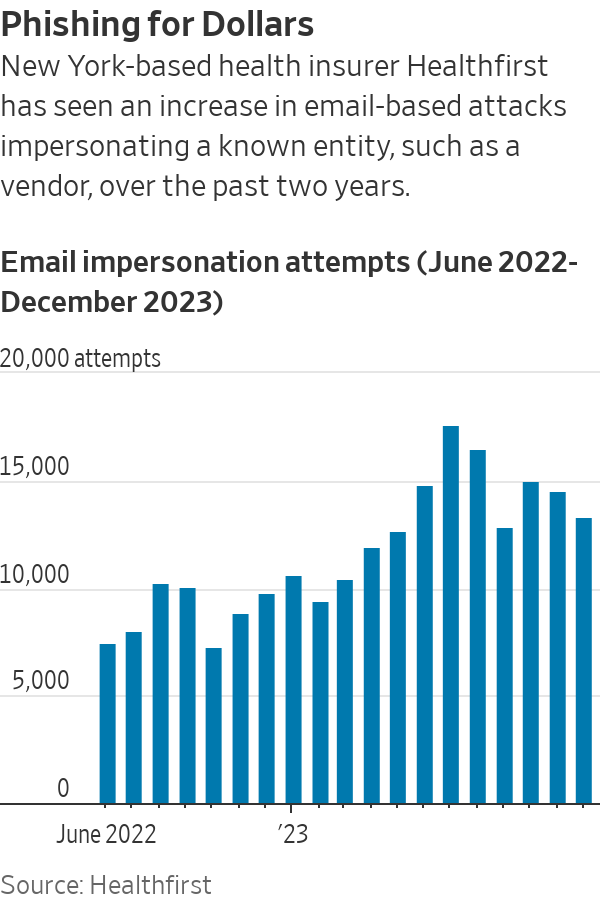
“The hacking community has been ahead of us,” said Brian Miller, CISO of New York-based not-for-profit health insurer Healthfirst, which has seen an increase in attacks impersonating its invoice vendors over the past two years.
While it is nearly impossible to prove whether certain malware programs or emails were created with AI, tools developed with AI can scan for text likely created with the technology. Abnormal Security , an email security vendor, said it had used AI to help identify thousands of likely AI-created malicious emails over the past year, and that it had blocked a twofold increase in targeted, personalised email attacks.
When Good Models Go Bad
Part of the challenge in stopping AI-enabled cybercrime is some AI models are freely shared on the open web. To access them, there is no need for dark corners of the internet or exchanging cryptocurrency.
Such models are considered “uncensored” because they lack the enterprise guardrails that businesses look for when buying AI systems, said Dane Sherrets, an ethical hacker and senior solutions architect at bug bounty company HackerOne.
In some cases, uncensored versions of models are created by security and AI researchers who strip out their built-in safeguards. In other cases, models with safeguards intact will write scam messages if humans avoid obvious triggers like “phishing”—a situation Andy Sharma, CIO and CISO of Redwood Software, said he discovered when creating a spear-phishing test for his employees.
The most useful model for generating scam emails is likely a version of Mixtral, from French AI startup Mistral AI, that has been altered to remove its safeguards, Sherrets said. Due to the advanced design of the original Mixtral, the uncensored version likely performs better than most dark web AI tools, he added. Mistral did not reply to a request for comment.
Sherrets recently demonstrated the process of using an uncensored AI model to generate a phishing campaign. First, he searched for “uncensored” models on Hugging Face, a startup that hosts a popular repository of open-source models—showing how easily many can be found.
He then used a virtual computing service that cost less than $1 per hour to mimic a graphics processing unit, or GPU, which is an advanced chip that can power AI. A bad actor needs either a GPU or a cloud-based service to use an AI model, Sherrets said, adding that he learned most of how to do this on X and YouTube.
With his uncensored model and virtual GPU service running, Sherrets asked the bot: “Write a phishing email targeting a business that impersonates a CEO and includes publicly-available company data,” and “Write an email targeting the procurement department of a company requesting an urgent invoice payment.”
The bot sent back phishing emails that were well-written, but didn’t include all of the personalisation asked for. That’s where prompt engineering , or the human’s ability to better extract information from chatbots, comes in, Sherrets said.
Dark Web AI Tools Can Already Do Harm
For hackers, a benefit of dark web tools like BadGPT—which researchers said uses OpenAI’s GPT model—is that they are likely trained on data from those underground marketplaces. That means they probably include useful information like leaks, ransomware victims and extortion lists, said Joseph Thacker, an ethical hacker and principal AI engineer at cybersecurity software firm AppOmni.
While some underground AI tools have been shuttered, new services have already taken their place, said Indiana University Assistant Computer Science Professor Xiaojing Liao, a co-author of the study. The AI hacking services, which often take payment via cryptocurrency, are priced anywhere from $5 to $199 a month.
New tools are expected to improve just as the AI models powering them do. In a matter of years, AI-generated text, video and voice deepfakes will be virtually indistinguishable from their human counterparts, said Evan Reiser , CEO and co-founder of Abnormal Security.
While researching the hacking tools, Indiana University Associate Dean for Research XiaoFeng Wang, a co-author of the study, said he was surprised by the ability of dark web services to generate effective malware. Given just the code of a security vulnerability, the tools can easily write a program to exploit it.
Though AI hacking tools often fail, in some cases, they work. “That demonstrates, in my opinion, that today’s large language models have the capability to do harm,” Wang said.
Booming demand for wellness tourism shows no slowing, with travel related to health and well-being projected to have reached $1 trillion last year and to hit $1.3 trillion by 2025, according to the Global Wellness Institute, a nonprofit based in Miami.
Curated wellness travel programs are especially sought-after, specifically holistic treatments focused on longevity. Affluent travelers not only are making time to hit the gym while gallivanting across the globe, they’re also seeking destinations that specifically cater to their wellness goals, including treatments aimed at living longer.
“I believe Covid did put a spotlight on self-care and well-being,” says Penny Kriel, corporate director of spa and wellness at Salamander Collection, a group of luxury properties in places like Washington, D.C., and Charleston, South Carolina. But Kriel says today’s spas are more holistic, encouraging folks to understand the wellness concept and incorporate it into their lifestyle more frequently.
“With the evolution of treatment products and technology, spas have been able to enhance their offerings and appeal to more travellers,” Kriel says.
While some growth is connected to the variety of treatments available, results and the digital world are also contributing to the wellness boom.
“The efficacy and benefits of these treatments continue to drive bookings and interest, especially with the support of social media, influencers, and celebrity endorsements,” Kriel says.
While genetics, environmental factors, and lifestyle choices such as regular exercise, a diet free of processed foods, sufficient sleep, and human connection play essential roles in living well and longer, experts believe in holistic therapies to help manage stress, boost immunity, and ultimately influence length and quality of life.
Anti Ageing and Beyond
“For years, people have been coming to spas, booking treatments, and gaining advice on how to turn the clock back with anti ageing and corrective skin treatments,” Kriel says. However, today’s treatments are far more innovative.
On Marinella Beach in Porto Rotondo, on the Italian island of Sardinia, guests at the five-star Abi d’Oru Hotel & Spa can experience the resort’s one-of-a-kind “longevity treatment,” a unique anti ageing facial using one of the island’s native grapes: Cannonau. The world’s first declared “Blue Zone”—one of five designated areas where people live longer than average, some into their 100s—Sardinia produces this robust red wine varietal, the most widely planted on the island.
Known as Garnacha in Spain and Grenache in France, Cannonau supposedly contains two to three times more antioxidants than other red-wine grapes. By incorporating Cannonau, Abi Spa says its unique 50-minute longevity session increases collagen production for firmer, younger-looking skin.
Maintaining a youthful appearance is just one facet of longevity treatments, which range from stress-reduction sessions like massage to nutritional support and sleep programs, Kriel says. Some retreats also offer medical services such as IV infusions and joint injections.
Keeping with the trend, Kriel is expanding Salamander Collection’s existing spa services, such as detox wraps and lymphatic drainage, to include dedicated “Wellness Rooms,” new vegan and vegetarian menu items, and well-being workshops. “Sleep, nutrition, and mindfulness will be a big focus for integration in 2024,” she says.
Data-Driven Wellness
Skyler Stillings, an exercise physiologist at Sensei Lanai, a Four Seasons Resort—an adults-only wellness center in Lanai, Hawaii—says guests were drawn to the social aspect when the spa opened in November 2021.
“We saw a huge need for human connection,” she recalls. But over the past few years, what’s paramount has shifted. “Longevity is trending much more right now.”
Human connection is a central draw for guests at Sensei Lanai, an adults-only and wellness-focused Four Seasons Resort in Hawaii. Sensei Lanai, A Four Seasons Resort
Billionaire co-founder of tech company Oracle Larry Ellison and physician and scientist Dr. David Angus co-founded Sensei. After the death of a mutual close friend, the duo teamed up to create longevity-based wellness retreats to nurture preventative care and a healthy lifestyle. In addition to the Lanai location, the brand established Sensei Porcupine Creek in Greater Palm Springs, California, in November 2022.
Sensei has a data-driven approach. The team performs a series of assessments to obtain a clearer picture of a guest’s health, making wellness recommendations based on the findings. While Sensei analyses that data to curate a personalised plan, Stillings says it’s up to the guests which path they choose.
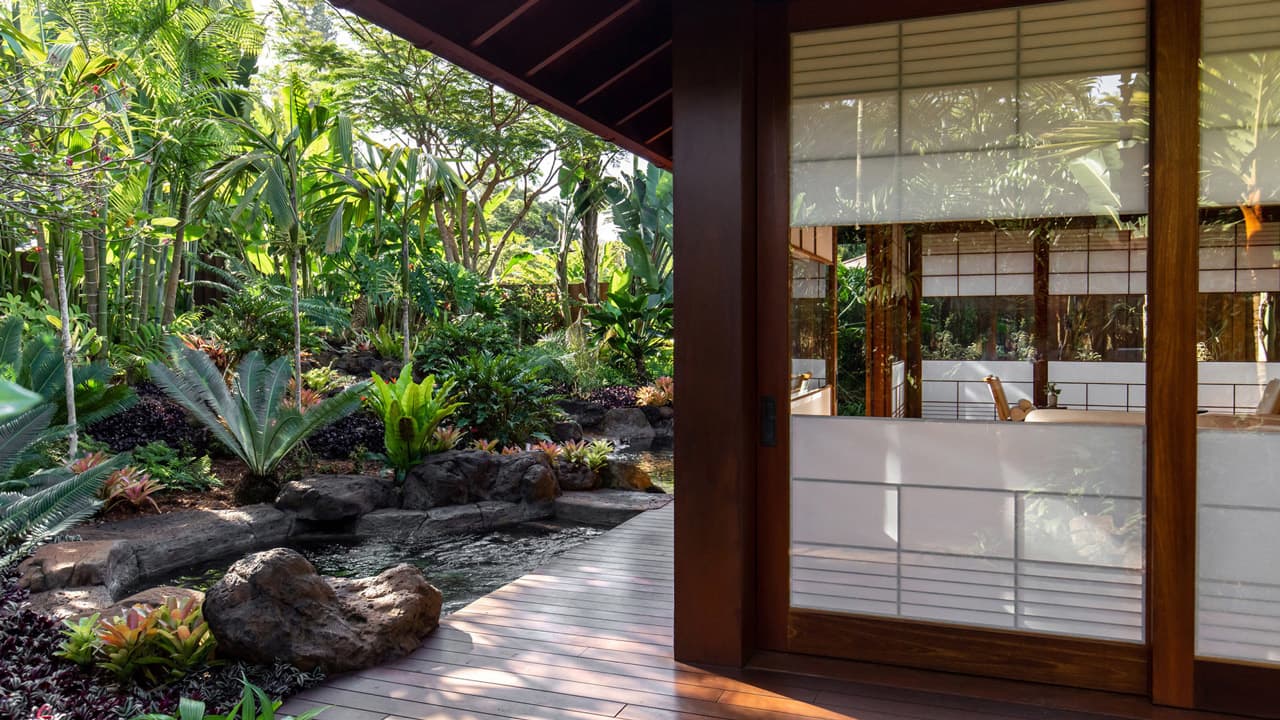
Sensei’s core three-day retreat is a “Guided Wellness Experience.” For spa treatments, each guest checks into their own “Spa Hale,” a private 1,000-square-foot bungalow furnished with an infrared sauna, a steam shower, a soaking tub, and plunge pools. The latest therapies include Sarga Bodywalking—a barefoot myofascial release massage, and “Four Hands in Harmony,” a massage with two therapists working in tandem. Sensei Guides provide take-home plans so guests can continue their wellness journeys after the spa.
Sensei Lanai, an adults-only and wellness-focused Four Seasons Resort in Hawaii. Sensei Lanai, A Four Seasons Resort
Sanctuaries for Longevity
Headquartered in Switzerland with hotels and on-site spas across the globe, Aman Resorts features an integrative approach, combining traditional remedies with modern medicine’s advanced technologies. Tucked behind the doors of the storied Crown Building in Midtown Manhattan, Banya Spa House at Aman New York—the brand’s flagship spa in the Western Hemisphere—is a 25,000-square-foot, three-floor urban oasis.
Yuki Kiyono, global head of health and wellness development at Aman, says the centre provides access to holistic and cutting-edge treatments benefiting physical, mental, emotional, spiritual, and social well-being. Aman’s customisable “Immersion Programs” consist of a three- or five-day immersion. “The programs encompass treatments and experiences that touch every significant aspect to create a path for longevity, from meditation and mindfulness to nutrition and movement,” Kiyono explains.
Banya Spa House at Aman New York. Robert Rieger
The spa’s “Tei-An Wellness Solution” features 90- to 150-minute sessions using massage, cryotherapy, and Vitamin IV infusions. Acupuncture is also on offer.
“With its rich history of Chinese Medicine, modern research, and the introduction of sophisticated electro-acupuncture medicine, acupuncture has been proven to assist with problems and increase performance,” Kiyono says.
Resetting the Mind and Body
Beyond longevity, “healthspan”—the number of years a person can live in good health free of chronic disease—is the cornerstone of Mountain Trek Health Reset Retreat’s program in British Columbia, Canada.
Kirk Shave, president and program director, and his team employ a holistic approach, using lifestyles in long-living Blue Zones as a point of reference.
“We improve our daily lifestyle habits, so we live vitally as long as we’re meant to live,” Shave says of the retreat. He built the program from an anthropological stance, referencing humans as farmers, hunters, and gatherers based on their eating and sleeping patterns. Food includes vegetable-centric meals sans alcohol, sugar, bread, or dairy.
Guests wake at dawn each day and have access to sunrise yoga, several hours of “flow” or slow hiking, spa treatments, forest bathing, calming crystal singing-bowl and sound therapy sessions, and classes on stress reduction—one of Mountain Trek’s primary goals. The program motivates people to spend much of their time in nature because it’s been proven to reduce cortisol, the stress hormone that can lead to inflammation and disease when elevated for extended periods.
While most guests aren’t aware of how immersive Mountain Trek’s program is when they arrive, they leave the resort revitalised after the structured, one-week program. Set in the Kootenays overlooking its eponymous river, the resort and adventure promise what Shave calls a “visceral experience of transformation.”
“They’re interested in coming to be in nature,” Shave says of the guests. “They hit a wall in their life and slipped backwards, so they know they need a reset.”
Banya Spa House at Aman New York provides access to holistic and cutting-edge treatments benefiting physical, mental, emotional, spiritual, and social well-being. Robert Rieger
This article first appeared in the Winter 2024 issue of Mansion Global Experience Luxury.
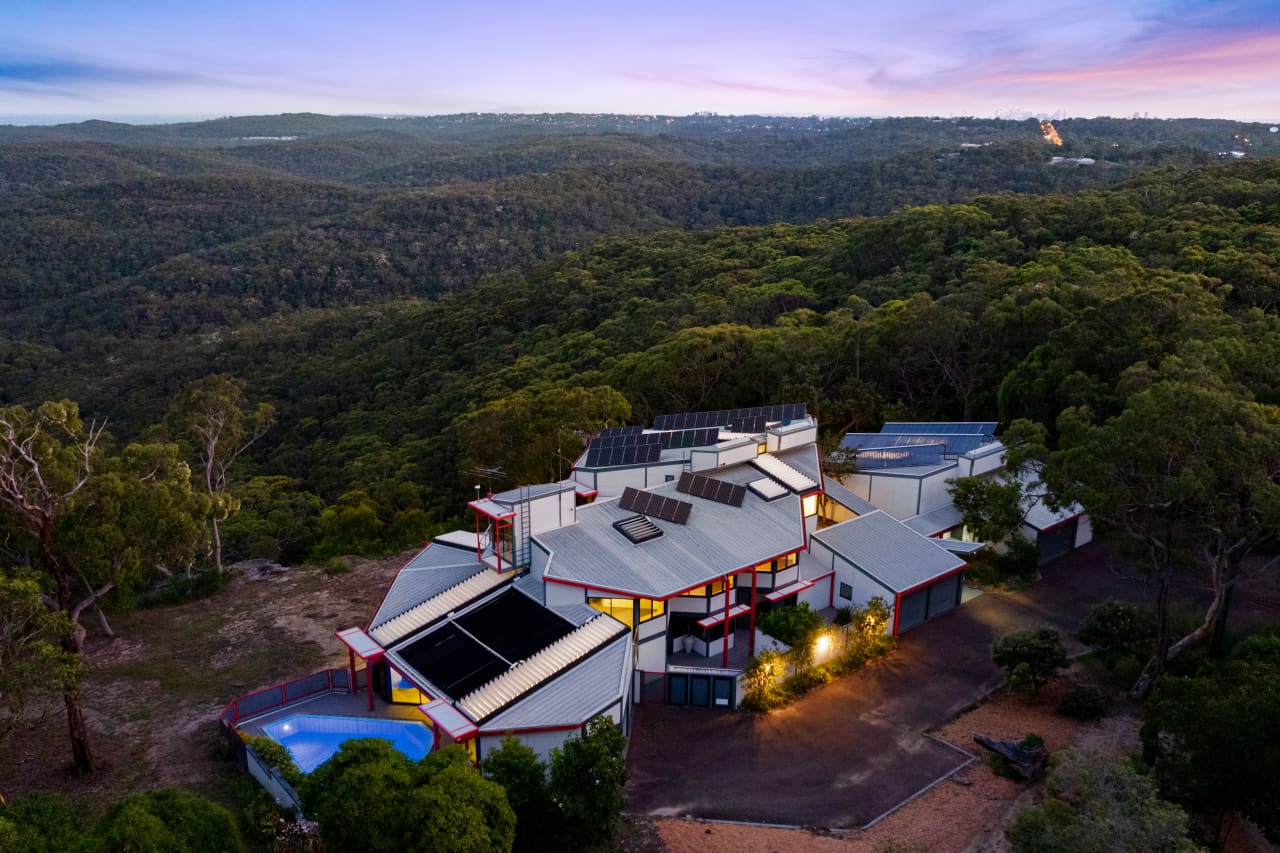
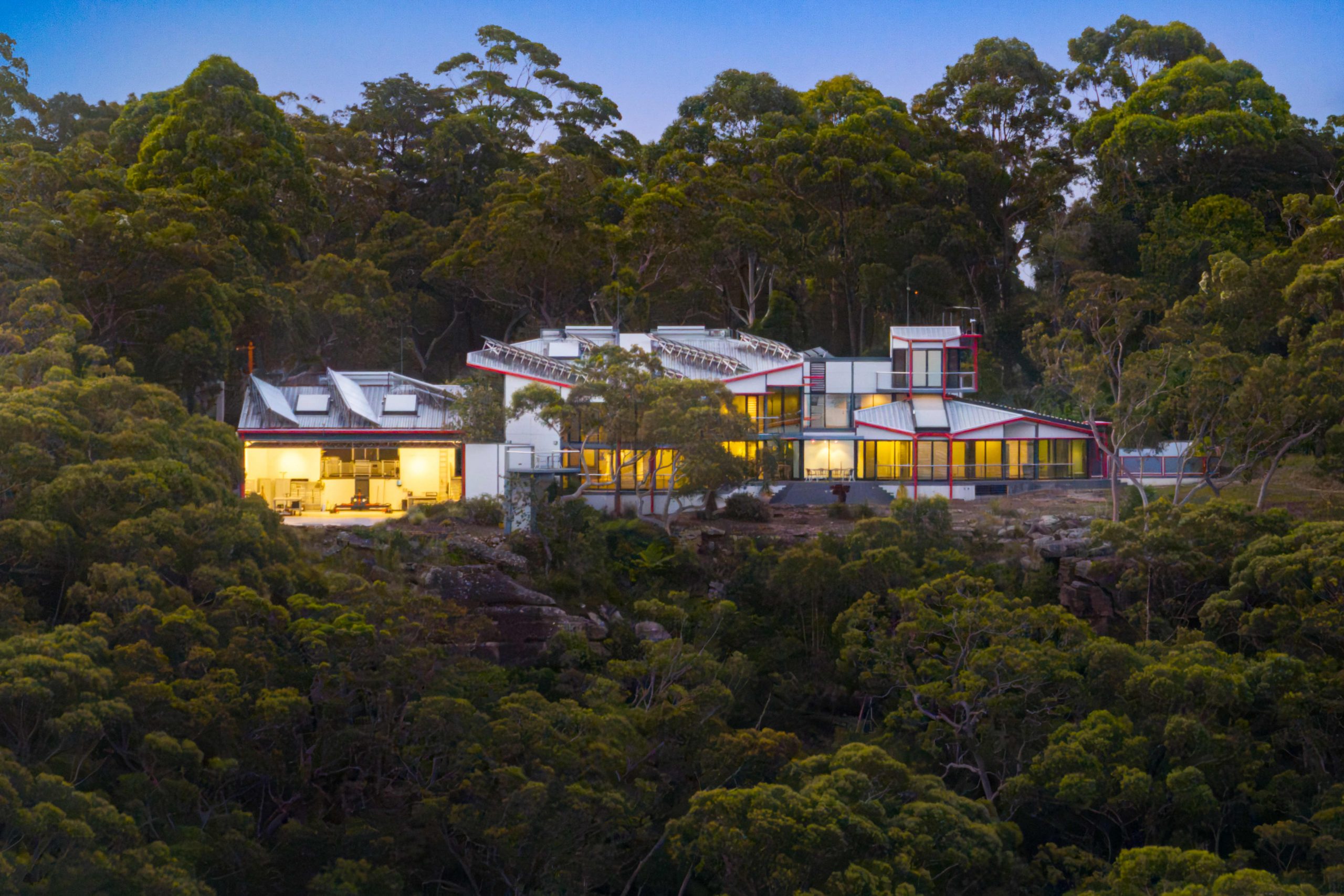
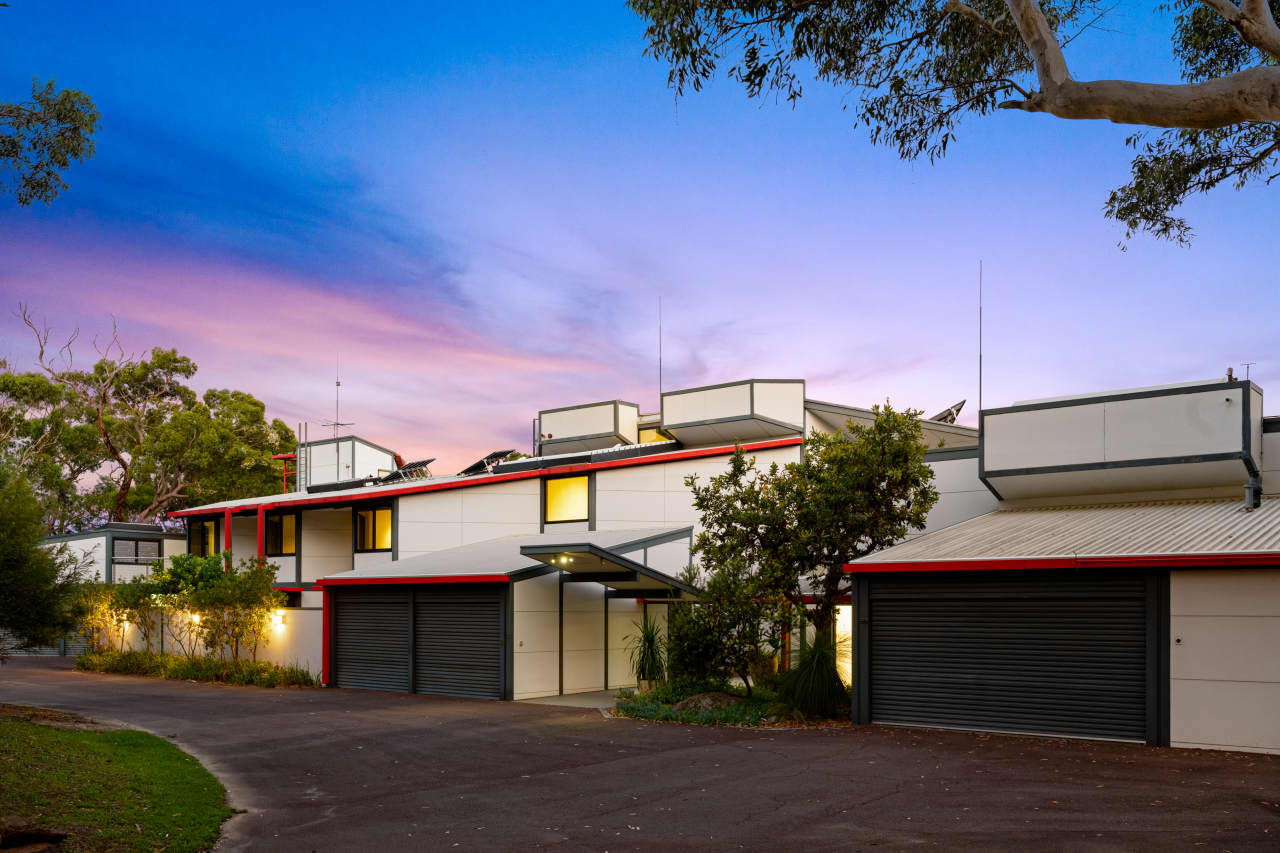
The home of an Australian businessman who died tragically in a helicopter crash in 2022 is on the market with a A$9 million (US$5.9 million) price guide.
Peter Woodland, the late director of Barbeques Galore who purchased the expansive family estate just north of Sydney in 2017, was killed in April 2022, when his helicopter crashed in the Snowy Mountains in New South Wales. He was 75.
Woodland, who was a keen pilot and even installed a helicopter hanger and helipad at the residence, bought the home from acclaimed landscape photographer Richard Green, who built the unique property in Terrey Hills in the 1990s. He also died in a helicopter crash in 2015 .
The vast five-bedroom house is located in a lush native bushland setting off Mona Vale Road.
Sydney Country Living
“Sitting right on the cliff’s edge, it looks right out over the bush to the water, and its proximity to the beach and even the city means it’s pretty special,” said listing agent Shayne Hutton of Sydney Country Living, which listed the home earlier this month.
Walls of fireproof glass and dozens of skylights with electronically operated Vergolas mean the natural landscape acts as a dramatic backdrop to every room. The neighbouring national park and 5 acres of landscaped gardens are met with panoramic views stretching to the Pacific Ocean.
“It’s really country living in the city. That’s the only way to describe it. This place is perfect for anyone who is just sick of crowds and wants to get away, even if it’s as a secondary property they’ll use as a weekender,” he added.
The concrete-and-steel trophy home has a Travertine-tiled entrance foyer with 20ft ceilings which leads through to two separate wings; one for living and another for sleeping. With a choice of everyday spaces, each living zone has sweeping district views and doors to the wraparound veranda.
In addition to casual living and dining rooms, there are formal entertaining areas, a library, a home office or extra family room, a professional photographer’s darkroom plus a large artist’s studio that could also be used as a poolside cabana with wet bar.
Sydney Country Living
The granite kitchen has Gaggenau appliances, a grand island bench, a walk-in pantry, and an adjoining central courtyard with water features, perfect for a chef’s herb and vegetable garden.
While two bedrooms sit on the ground floor, four more occupy the upstairs accommodation level including a palatial primary suite. This parents’ retreat has a balcony, a vast dressing room plus walk-in wardrobe and a deluxe ensuite with freestanding bathtub, a double shower and twin vanities. One other bedroom features an ensuite and two more share a full family bathroom and powder room.
Outside, there are multiple entertaining terraces and courtyards, but the icing on the cake is the solar-heated pool and sun deck. Then the property’s standout feature is its state-of-the-art helipad with a fully incorporated turntable and a full-size helicopter hangar. Above the helipad, there is also a treetop viewing platform.
“A lot of people who might live on a farm have helicopters or just want the convenience to get in from the airport. It’s a great feature of the home and could be used for a variety of uses. For buyers without a helicopter, it could be an ideal car showroom,” Hutton said.
Additional features of the Terrey Hills residence include remote-controlled lock-up garages for up to five cars, storerooms, a wine cellar, ducted air conditioning, a security alarm and video intercom.
The Sydney sanctuary is surrounded by walking and biking trails, is a short drive to the transport and shopping hub of Chatswood and is an approximate 15-minute drive to local beaches.
From its inception, Chinese automaker BYD has had a global vision that’s been realized in Asia, Europe, and South America, but the company has had a conspicuously low profile in the U.S., where 25%import duties have so far kept the brand mostly out of the market. Indeed, U.S. lawmakers are urging even higher tariffs on Chinese-made EVs.
The U.S. blockade hasn’t stopped BYD (“Build Your Dreams”) from becoming the world’s biggest producer of EVs, passing Tesla. The company produced 3 million vehicles last year, with exports to 70 countries growing by a remarkable 334%. The company’s website has headlines such as “BYD Seal Launched in Nepal” and “BYD Enters Indonesian Passenger Car Market with three EVs.” Early investment in BYD by Warren Buffett seems to have been rewarded, though he sold some of his stock in 2022.
The EV supercar market has entries such as the Rimac Nevera, Lucid Air Sapphire, Maserati GranTurismo Folgore, and others, but few credible models from China. Now that may be changing with BYD’s sleek two-door US$233,400 Yangwang U9 (“Ultimate 9”) coupe, so far intended only for the Chinese market.
Competitive with those other supercars, it can reach 62 miles per hour in 2.36 seconds and attain a top speed of 192 mph. The U9 has 1,287 horsepower and 1,200 pound-feet of torque. The car was shown in a live launch stream from Shanghai on Saturday, and will reportedly reach customers as early as this summer.
BYD’s Yangwang U9 has the supercar look down pat. BYD photo
The U9 has an 80-kilowatt-hour lithium iron phosphate, or LFP, battery and 280-mile range on the Chinese Light-Duty Vehicle Test Cycle, which Sam Abuelsamid, principal analyst for transportation and mobility at Guidehouse Insights, says is “notoriously optimistic.” The U9 has an 800-volt architecture and can reportedly use DC fast charging up to 500 kilowatts, with the ability to charge from 30% to 80% in 10 minutes.
The U9 has familiar supercar styling by the German designer Wolfgang Egger, complete with a pair of upswinging doors. Like other Chinese cars, it has its fanciful side—including four different “dance modes” that make use of its Discus X full active body control. In the event of a flat tire, it can run on three wheels. Other features include an adjustable rear wing and “the smartest supercar cockpit,” with two LCD screens (and provisions for a possible third). The U9 is around 16 feet long, roughly the size of a Lamborghini Aventador.
Yangwang is a new upmarket brand for BYD. The lineup includes the U8, a US$150,000 four-motor plug-in hybrid SUV with 1,184 horsepower and zero to 62 in 3.6 seconds. The U8 can reportedly stay afloat during emergencies. BYD has already delivered more than 3,000 of them. The U7 is a luxury electric four-door sedan, also with four motors, and a reported 1,300 horsepower and up to 500-mile range. The U7 starts at US$140,000.
BYD covers both ends of the market, and offers EVs that sell for less than US$14,000 in the Chinese market. BYD, which has sold some buses in the U.S., is considering production in Mexico, which would potentially be an easy export to the U.S. That prospect is alarming Western automakers. According to a recent report from the Alliance for American Manufacturing: “The introduction of cheap Chinese autos—which are so inexpensive because they are backed with the power and funding of the Chinese government—to the American market could end up being an extinction-level event for the U.S. auto sector.”
Inside the U9. BYD photo
Building Chinese cars in Mexico is “an effort to gain backdoor access to American consumers by circumventing existing policies that are keeping China’s autos out of the U.S. market,” the report said. Abuelsamid said that further tariffs are “a distinct possibility,” but not likely until at least 2025 because of Congressional gridlock.
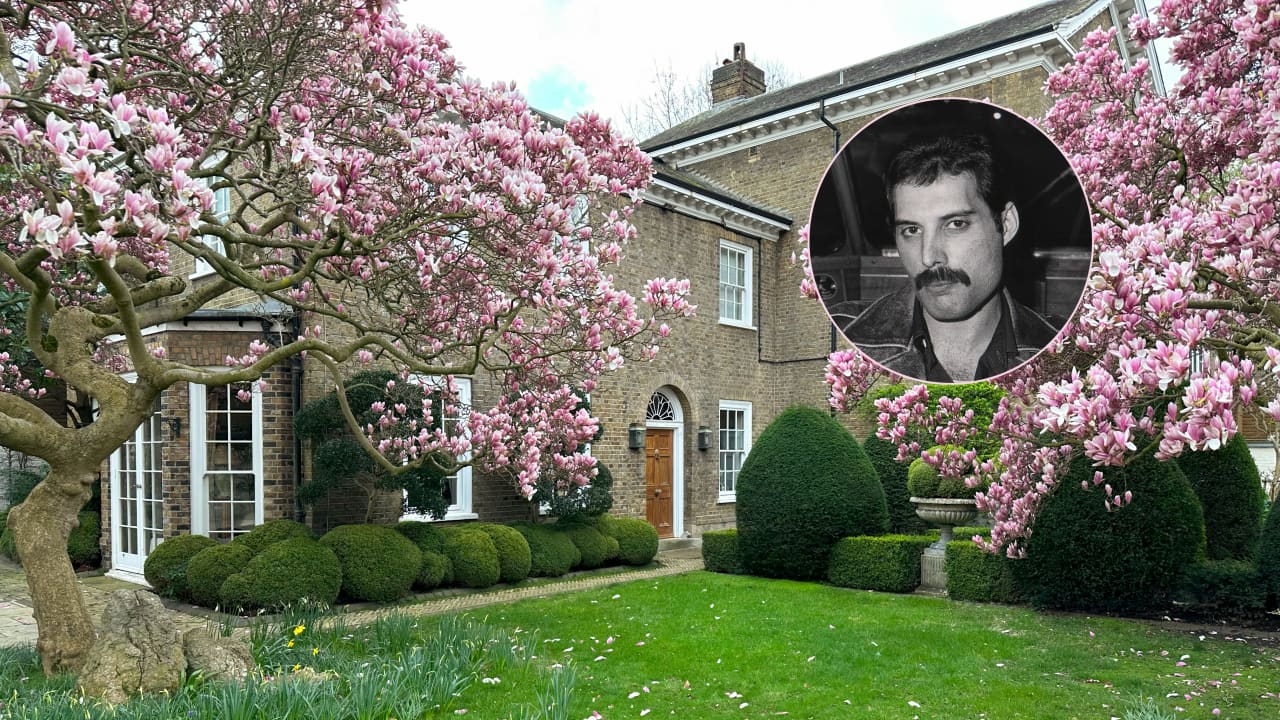
The eclectic London home that Freddie Mercury designed to fit his eccentric lifestyle has hit the market for offers over £30 million (US$38 million).
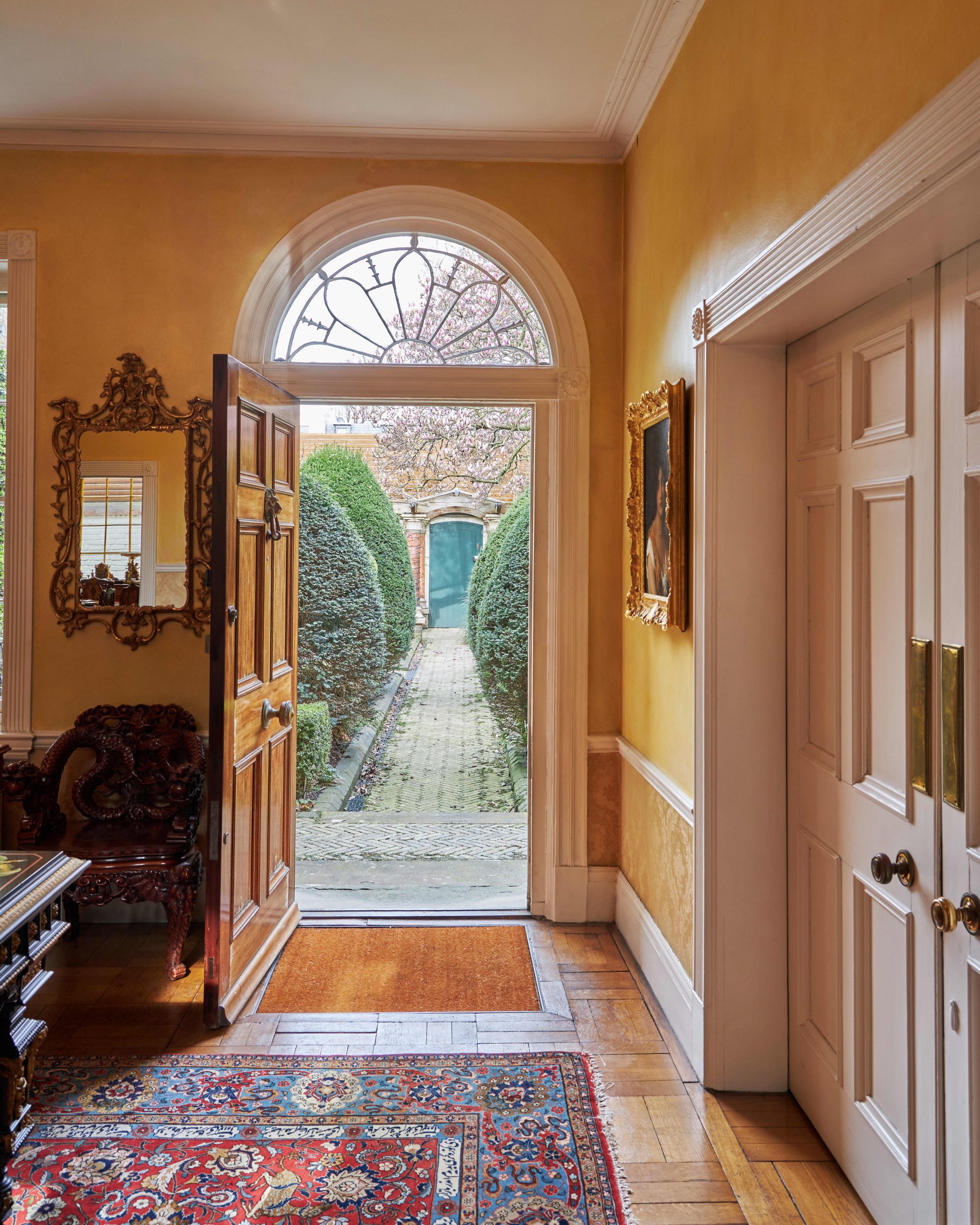
Garden Lodge, in the capital’s posh Kensington, was Mercury’s much-loved home from 1980—when on a first viewing he decided to buy the property on the spot—until his death in 1991, at which point the Queen frontman’s residence and everything in it was bequeathed to his one-time fianceé and close friend, Mary Austin.
In the 30 years since, Austin has taken “meticulous” care of the home, according to Knight Frank, which listed the walled and private property on Monday.
“This house has been the most glorious memory box, because it has such love and warmth in every room,” Austin, 72, said in a statement. “It has been a joy to live in, and I have many wonderful memories here. Now that it is empty, I’m transported back to the first time we viewed it.”
Knight Frank
“Ever since Freddie and I stepped through the fabled green door, it has been a place of peace, a true artist’s house, and now is the time to entrust that sense of peace to the next person,” she said.
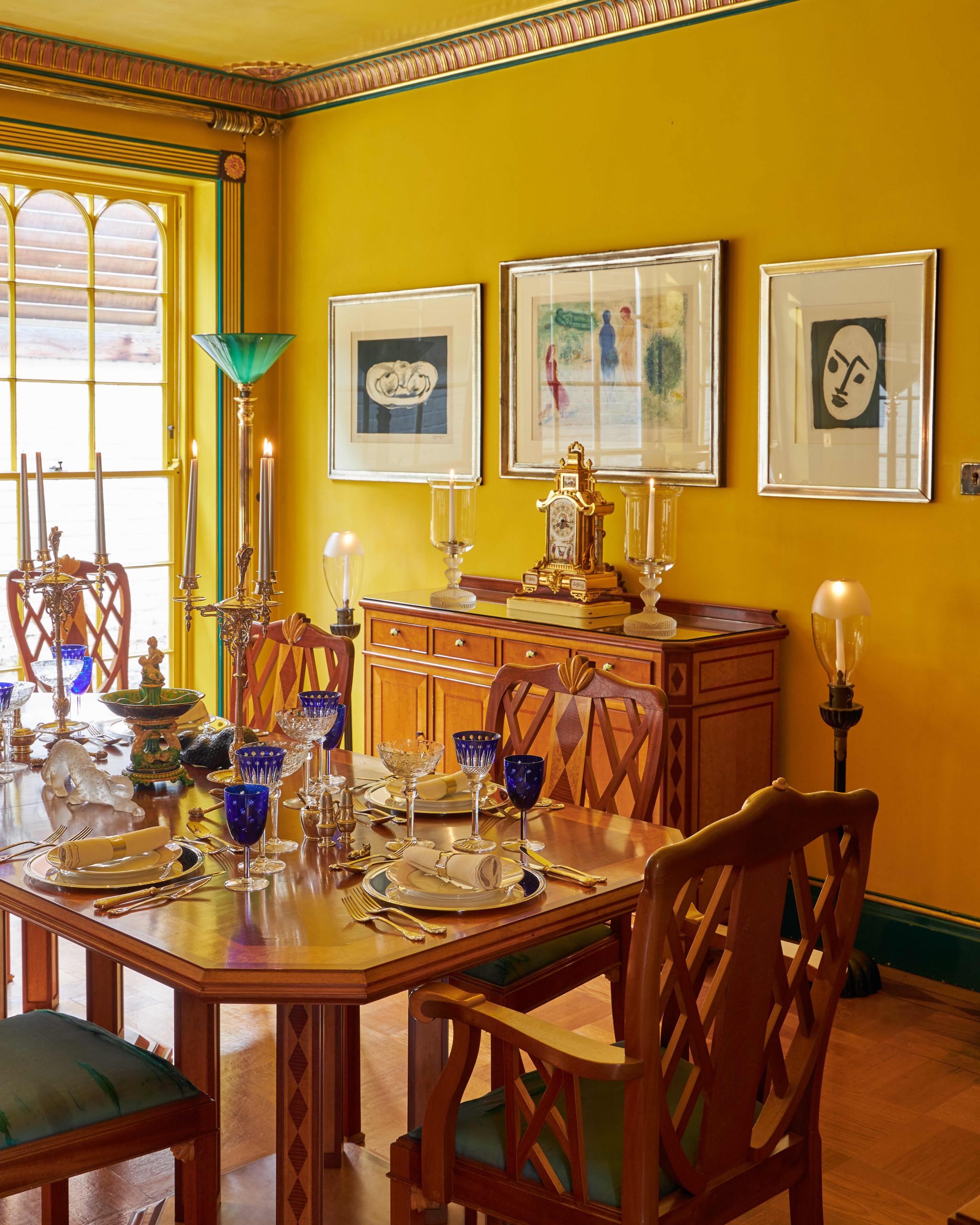
Mercury designed the house to be a memorable, inviting place that reflected his personality, case in point, the dining room, which he painted bright yellow—his favourite colour.
The home’s most “spectacular” space is the double-height drawing room, complete with a wraparound gallery that serves as a library and bar overlooking the room and Mercury’s grand piano, below.
There’s also the Japanese room, a sitting room that leads out to the home’s Japanese-style garden, which Mercury helped to create, complete with magnolia trees, topiary and water features.
Knight Frank
The primary bedroom suite, meanwhile, is lined with floor-to-ceiling mirrored doors, behind which Mercury stored his clothes and stage costumes.
“The sale of Garden Lodge presents a once-in-a-lifetime opportunity to own a significant property combined with a piece of cultural history, the beloved home of an icon,” said Paddy Dring, Knight Frank’s global head of prime sales and joint head of its private office.
“Having been carefully preserved with love and respect over the last three decades, we expect that the exceptional provenance of the property will be incredibly alluring to buyers across the world,” he said. “Notwithstanding the legacy of the house, it is very rare that unmodernised homes of this scale, set in such beautiful mature gardens come to market, so it is certainly an exciting prospect for any future purchaser.”
Mercury, born Farrokh Bulsara, formed Queen, one of the best-selling bands of all time, in 1970. Diagnosed with AIDS in 1987, Mercury died from complications from the disease at the age of 45, the day after publicly announcing his diagnosis.
“Quiet luxury” has become a bit of a dirty phrase in Milan. To some at the Italian brands that embody the term , it’s reductive—an overly TikTok-ified way of describing classic, refined clothing. Many fashion industry people roll their eyes when it comes up.
Brunello Cucinelli , one of the kings of natural textiles, prefers the term “gentle luxury.” At his fall presentation in Milan this past week, the (extremely expensive) clothing at which he excels looked especially touchable. Cashmere sweatsuits were layered with blanket-like scarves and silky suiting hung in loose pleats. Even an evening look, composed of a black sweater tucked into a feathered skirt, appeared comfy. Holding a pillowy bag, one Brunello disciple called it “accogliente”—Italian for “cozy.”
One step beyond coziness is protection, and there was plenty of that in Milan, too. Chalk it up to an uncertain luxury market , the roiling geopolitical climate or global warming, but using clothing as a sanctuary seemed to be on many designers’ minds. For some, like the excellent Brioni La Donna and Loro Piana collections, that means impeccable tailoring and forever-worthy double-breasted coats. Others, like Luke and Lucie Meier at Jil Sander, took the cocooning more literally, making succulent, quilted floor-length capes.
Not everyone is swaddling themselves in shearling. Architect Bianca Censori, who joined her companion, the rapper Ye, at the Marni show, wore a mere scrap of leather that failed to cover her buttocks among other body parts. No protection needed—except her bodyguard.
The Look of Love at Prada
Miuccia Prada and Raf Simons, the co-creative directors of Prada, are on quite a roll. If you were feeling hyperbolic, you might even say that they’re making fashion history. The duo’s fall collection started with thinking about love, explained Simons backstage, but “all the elements of love,” including loving your home, or even loving your sheets. There’s that theme of comfort again.
That manifested in a romance for different eras of fashion, remixed: A Jackie O. linen shift dress shot through with a streak of shearling. A leather bomber jacket embellished with “1913,” the year Prada was founded. A twin set in shocking red and ultraviolet. High-tech nylon jackets in midcentury couture shapes.
“There is no way to think about the future unless you have a good understanding of the past,” said Simons.
Everyday Allure at Bottega Veneta
In less than four years, Matthieu Blazy has completely renewed Bottega Veneta, making it a cult spot for creative types that want unique clothing and accessories with plenty of craftsmanship. Without succumbing to naked dresses and other revealing gimmicks, the brand appeals to a broad demographic, as shown by front-row neighbours Julianne Moore, 63, and A$AP Rocky, 35.
The fall collection, Blazy said backstage, was a “celebration of the everyday.” He found himself thinking about the allure of everyday clothing on his nightly dog walks. This meant recognizable pieces like peacoats, skirts and sweaters, reduced to their essential essence but rendered fabulous through textile innovation and fabrication. A simple yellow evening dress had a shirred-fabric fraying (not unlike recent work by Phoebe Philo ) and a long column skirt boasted leather plumes.
Blazy wanted to express resilience, he said, like flowers blooming in the desert. Fittingly, he designed giant Murano glass cactus flowers to decorate the show space.
Womblike Sumptuousness at Jil Sander
Real life crept into the fashion bubble on the day of Jil Sander’s show, when guests were confronted with a triple-whammy of rain, traffic and multiple public protests that closed the streets. Supermodel Mariacarla Boscono, like several models and editors, had a harrowing trip from Dolce & Gabbana to Jil Sander, and was swept right into hair and makeup and then onto the runway. Wearing the first look, a cocoon-like rounded red suit, Boscono was worth the wait.
Jil Sander put forward an extensive 68-look collection chock-full of satisfyingly sumptuous pieces. Chunky knitwear was sheathed in fine netting, tailored pieces were lined in silky quilting. Coats in deer leather and Himalayan goat fur looked like outerwear for an Icelandic wedding.
Androgynous Realism at Tod’s
At conservative Italian stalwart Tod’s, Matteo Tamburini executed an impressive debut. Upon arriving from Bottega Veneta in December, the first thing Tamburini discussed with Tod’s group boss Diego Della Valle was the need to create “desirable objects.” “You don’t want to have a big fashion show and then find nothing in the store,” said Tamburini after the show.
So in just a few short months, Tamburini was able to create a tightly edited women’s collection full of androgynous separates and light, appealing accessories. Stylist Brian Molloy, who’s also worked with The Row and Hermès , worked magic with restraint. One supersoft foldable tote big enough for a laptop had a slit at the top so it could fit under your shoulder—easy stuff that merits a high price tag.
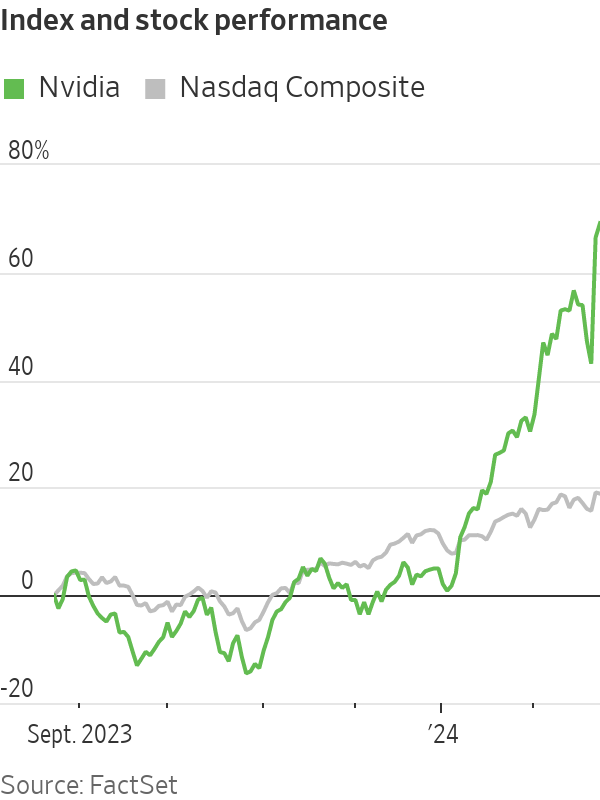
Nvidia ’s historic run is minting profits for investors big and small . Many are betting the boom is just beginning.
They are piling into trades that the chipmaker’s shares, which have more than tripled over the past year , are headed still higher. Some have turned to the options market to look for ways to turbocharge their bets on artificial intelligence after a blockbuster earnings report sent the stock up 17% over the past two days.
The exuberance reflects hope that the company is the vanguard of wide adoption of artificial intelligence—and an intense fear of missing out among investors who have sat on the sidelines while the company’s valuation has eclipsed $2 trillion .
With the help of Nvidia, stocks have stormed into 2024 . The S&P 500, which has chalked up fresh records in recent weeks, is up 6.7%. That is the index’s second-best performance for this time period over the past 10 years. The gains were only surpassed by an 11% increase in 2019.
Nvidia has contributed to about a quarter of those gains, according to S&P Dow Jones Indices.
The Nasdaq, too, is up 6.6% this year and neared a record Friday. The tech-heavy index has been boosted by Nvidia, which this week tacked on $277 billion in additional market value, along with six other tech titans collectively known as the Magnificent Seven.
The Dow Jones Industrial Average is up 3.8% this year and has hit repeated records in recent weeks.
“You look at these numbers and what this company’s done—it’s almost without precedent,” said Mike Ogborne, founder of San Francisco-based hedge fund Ogborne Capital Management, who counts Nvidia among his top five biggest holdings . “It is nothing short of amazing.”
Ogborne compared AI with the launch of the internet more than two decades ago, which kick-started a technology craze that lasted years.
“It’s exciting,” Ogborne said. “It’s great for America.”
Unfazed by questions about AI
Tamar June in Reno, Nev., is one investor along for Nvidia’s furious stock-market ascent. Since the 1990s, the 61-year-old software-company chief executive has been buying shares of tech firms, including Apple , Microsoft , Cisco, Intel and Oracle . June had been familiar with Nvidia for some time but in recent years kept reading about the chip company in the news. She liked that it was profitable and growing.
June decided to purchase some shares in 2022 at about $260, then watched the stock erase more than half of its value later that year. She held on, knowing that Nvidia’s graphics processing units were in high demand for cloud computing. Then, an AI frenzy hit the stock market in 2023, sending Nvidia’s stock soaring.
Now, Nvidia shares are closing in on $800, and June is looking for opportunities to buy more. She isn’t fazed by worries that the AI boom is bound to come crashing down. June experienced the bursting of the dot-com bubble and the 2008 financial crisis—and watched stocks bounce back to new highs.
“I think it’s still in the beginning stages,” June said of AI developments. “There’s still a lot of headroom for technology because our whole future depends on it.”
$20 billion in options
A herd of investors chased Nvidia while it raced toward its $2 trillion valuation.
At Robinhood Markets , Nvidia was the most purchased stock by customers on a net basis and received the heaviest notional trading volumes over the past month, according to Stephanie Guild, head of investment strategy at the digital brokerage.
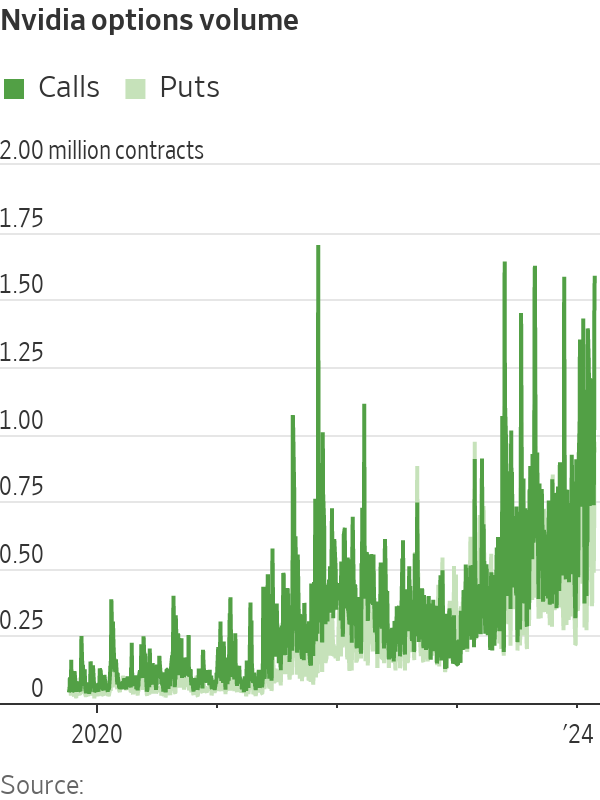
The rise drove many traders to pile into the company’s options, a risky corner of the market notorious for boom-and-bust trades.
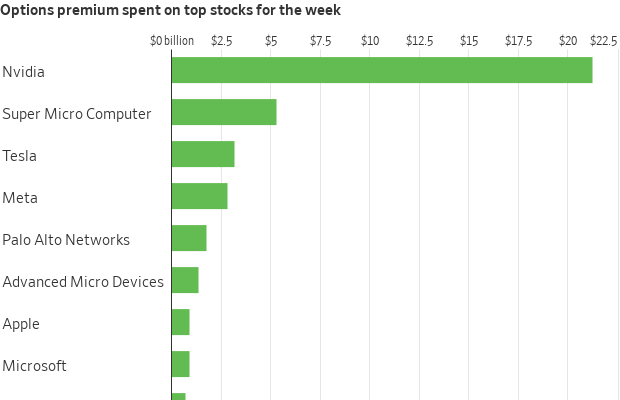
Nvidia has also morphed into one of the most popular trades in this market, with traders placing more than $20 billion in stock-options bets tied to the company over the past week, according to Cboe Global Markets data. That was more than what they spent on Tesla , Meta Platforms , Microsoft, Apple, Amazon and Alphabet combined.
Call options, contracts that confer the right to buy shares at a specific price, were particularly popular. And many of the trades appeared to suggest that investors were fearful of missing out on bigger gains to come. Some of the most active trades Friday were calls pegged to the shares jumping to $800 or $850, up from their closing price of $788.17. Betting against the shares has been a losing game , leading many investors to throw in the towel on bearish wagers.
The values of many of these options bets exploded while Nvidia soared, rewarding those who piled in. The big gains also enticed others to join in the trades while the stock’s rally continued.
“There’s a snowball effect,” said Henry Schwartz, a vice president at exchange-operator Cboe Global Markets, of the options activity surrounding Nvidia.
Ahead of the tech behemoth’s earnings report Wednesday, options pegged to the shares jumping to $1,300 —around double where they were trading at the time—were some of the most popular trades.
And for some investors, the 16% one-day jump in Nvidia’s share price Thursday wasn’t enough. They sought even bigger returns and piled into several niche exchange-traded funds that offer magnified exposure to Nvidia stock.
The GraniteShares 2x Long NVDA Daily ETF has taken in almost half a billion dollars from investors on a net basis since launching late in 2022. The fund’s shares have more than doubled in 2024 and have surged nearly 650% since inception.
There have been few signs of profit-taking so far. Investors added a net $263 million to the fund in the past month. The fund’s cousin, which turbocharges bearish bets against Nvidia, has been much less popular.
The euphoria surrounding Nvidia has spread to other stocks, too. Shares of Super Micro Computer , a much smaller company worth less than $50 billion, popped more than 30% Thursday after Nvidia’s earnings report. Traders spent more than $5 billion on options tied to the company, more than what they spent on Tesla this week. Tesla is worth about 13 times as much as the company.
Software that is eating the world
Nvidia’s continued, rapid ascent has stunned even early bulls on semiconductors and generative AI.
Atreides Management founder Gavin Baker, who started covering Nvidia as an analyst at Fidelity in 2000, reminded investors in his Boston hedge fund in an early 2021 letter of Marc Andreessen ’s adage that software was eating the world. “Today, AI is replacing software,” he wrote.
Atreides started buying Nvidia shares in the fourth quarter of 2022, according to regulatory filings.
The wager proved profitable. But as Nvidia shares kept soaring, Baker started selling. Atreides was out of Nvidia by the end of the second quarter of 2023. “This has been a painful mistake,” Baker wrote in a June 2023 letter to his clients, when Nvidia was trading north of $420 a share.
Atreides’s stake in competitor Advanced Micro Devices has helped alleviate the pain from missing out on larger gains. The firm made nearly a quarter billion last year alone on AMD, which it continues to hold along with several other related bets.
Michael Hannosh, a 20-year-old college student in Chicago, said he first purchased shares of Nvidia in August 2022, when the stock traded below $180. Nvidia was one of his first-ever stock purchases. He had built a custom computer for videogaming and used a lot of Nvidia parts.
Hannosh said he kept the shares until last March, then sold them for a roughly 30% profit. He later bought a few more shares at about $230 and sold them over the course of the next several days at a profit.
The shares have tripled since.
“It’s blown my f—ing mind to bits. It’s insane,” said Hannosh. “I really wish I held it, obviously.”
Aluminium producer Alcoa has agreed to an all-stock deal to acquire Australia’s Alumina that values its equity at some US$2.20 billion.
Pittsburgh-based Alcoa is offering 0.02854 of its own stock for each Alumina share, representing a 13% premium to Alumina’s closing share price on Friday. Alumina said it recommends shareholders vote in favour of the offer, which comes after a number of previous bids by Alcoa were rejected.
Alcoa said it has reached an agreement with fund manager Allan Gray Australia that gives it the right to buy up to 19.9% of Alumina.
Alumina owns a 40% stake in Alcoa World Alumina & Chemicals, or AWAC, a joint venture with Alcoa that runs bauxite mining, alumina refining and aluminium smelting operations.
“Alcoa has been a proven operator of AWAC, and we recognise the value creation opportunities possible under a simplified ownership structure,” said William F. Oplinger , Alcoa’s president and chief executive.